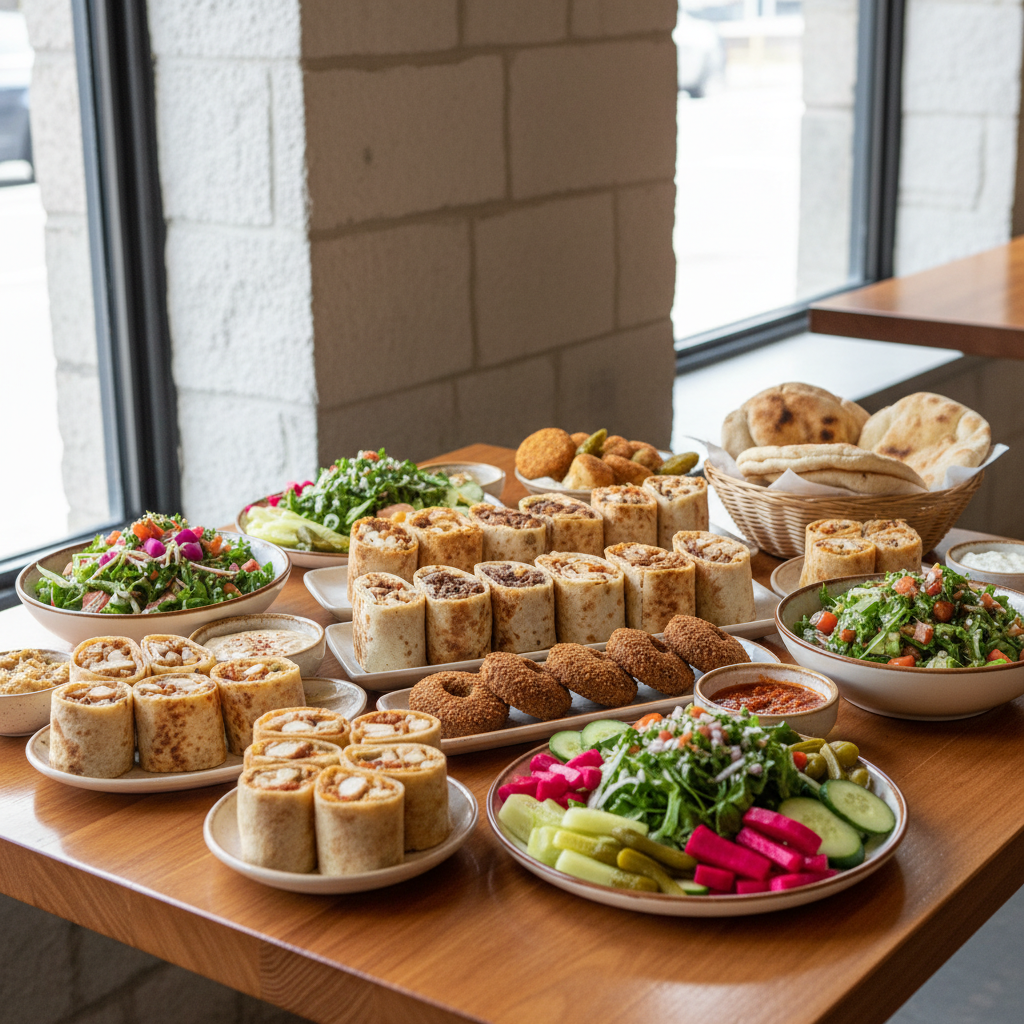
Shawarma menu must-try dishes are the signature wraps, plates, bowls, and sides that showcase marinated meats, fresh salads, and bold sauces. At 898 College St in Old Toronto, Shawarma Moose highlights these favorites for easy online ordering, delivery, pickup, and catering. Use this guide to choose confidently and build a craveable meal.
By Shawarma Moose • Last updated: May 14, 2026
Quick summary and what you’ll learn
This guide distills the shawarma menu into practical picks, portion rules of thumb, and Toronto-specific ordering tips. You’ll see how wraps, bowls, and plates differ, which sauces and sides pair best, and how to plan office catering or family meals with minimal waste and maximum flavor.
Here’s how to use this page fast:
- Skim the definitions if you’re new to shawarma.
- Use the comparison table to choose wraps vs. bowls vs. plates.
- Jump to must-try dishes for the top 12 picks.
- Grab portion guidelines to plan delivery, pickup, or catering.
- Online ordering and pickup work well for tight lunch windows.
- For groups, plan 1.5 wraps per person or 6–8 oz of protein on plates.
- Budget 2–3 tablespoons of sauces per guest to keep lines moving.
What’s inside (table of contents)
- What is shawarma?
- Why these menu picks matter in Toronto
- How great shawarma is made
- Types and approaches on the menu
- Wraps vs. bowls vs. plates (comparison)
- Ordering best practices (delivery, pickup, catering)
- Tools and resources
- 12 must-try dishes
- Case studies and local examples
- FAQ
- Conclusion and key takeaways
What is shawarma?
Shawarma is seasoned meat stacked on a vertical rotisserie, slow-roasted, and shaved to order for wraps, plates, or bowls. The build balances savory meat, crisp salads, pickles, and creamy or garlicky sauces, producing a hot-cold, soft-crunchy contrast that defines a standout bite.
In practice, that means layers of marinated chicken or beef spin beside heat, then thin shavings land on warm pita or rice with toppings. Expect 5–6 ounces of protein per adult serving on plates and 4–5 ounces in most wraps.
- Texture balance: Tender meat + crunchy pickles + soft pita or rice.
- Flavor core: Warm spices (cumin, coriander), lemon, garlic, and slow-roasted caramelization.
- Portion rule: For hearty appetites, plan 1.5 wraps per person for group orders.
Why these shawarma menu must-try dishes matter in Toronto
In Toronto’s fast lunch cycles and diverse diets, must-try shawarma dishes solve three problems: speed, variety, and reliability. Wraps travel well, bowls suit gluten-free and low-carb needs, and plates feed mixed groups—making office lunches and family nights simple to plan.
At Shawarma Moose, the dual focus on everyday orders and catering reflects local demand. Old Toronto commuters want predictable pickup times; teams want platters that serve 8–20 without over-ordering. Groups usually finish 3–4 pitas per five guests when plates anchor the meal.
- Speed: Online ordering plus timed pickup tightens 30–45 minute lunch breaks.
- Dietary range: Bowls with extra salad suit gluten-free needs; wraps satisfy bread lovers.
- Reliability: Standard builds (protein + veg + sauces) reduce guesswork for large orders.
How a great shawarma is made (from spit to wrap)
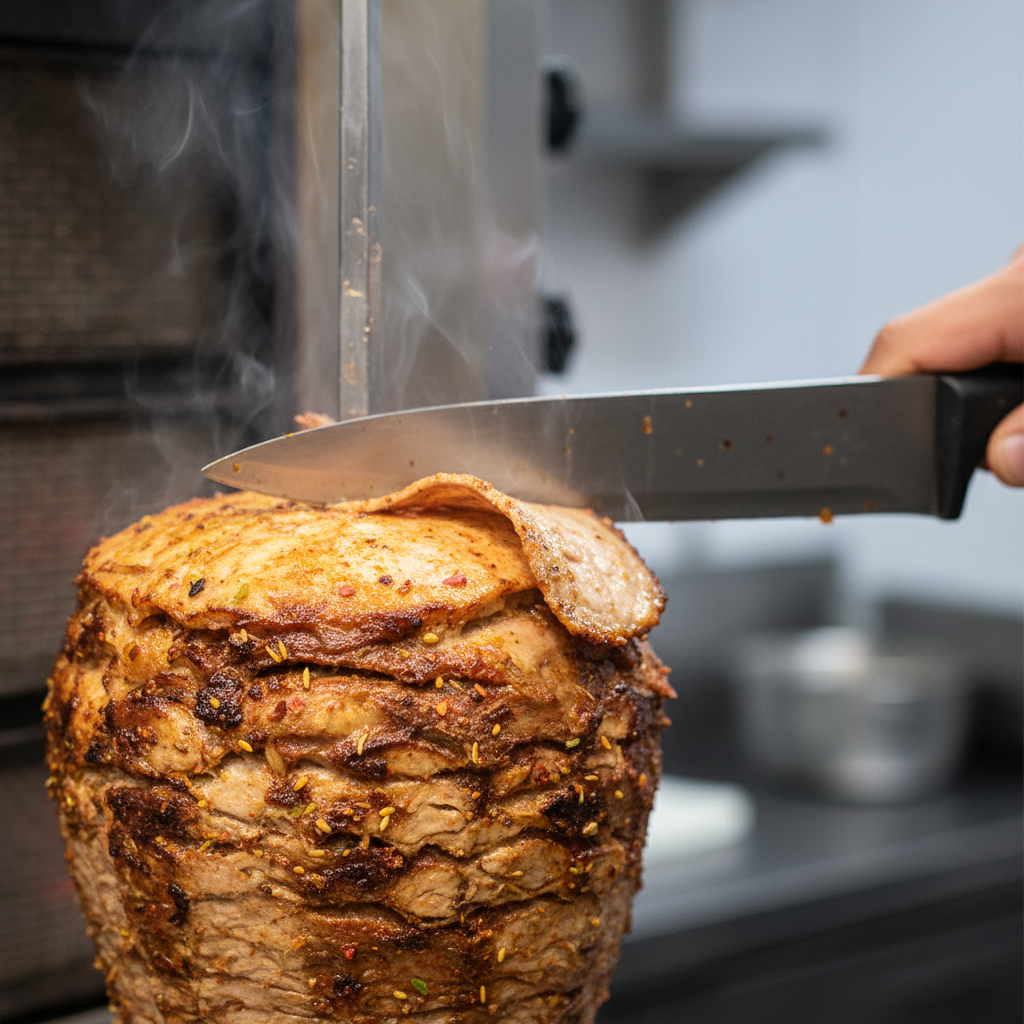
Great shawarma starts with a lemon-garlic spice marinade, stacks on a vertical spit, and roasts low and steady. Thin, just-in-time slices keep edges crisp. The build finishes with fresh salads, pickles, and sauces on warm pita or rice so heat, crunch, and creaminess hit in one bite.
In our kitchen, consistent marination and slicing rhythm are everything. Warm pita retains steam for 8–10 minutes in transit; bowls hold heat even longer. For big drops, ask for dressings on the side so textures stay bright for 30–45 minutes.
Chef’s rhythm that keeps quality high
- Marination window: 12–24 hours is a sweet spot for deep flavor without mushy texture.
- Slicing cadence: Shave thin every few minutes during rushes to keep edges caramelized.
- Assembly flow: Pita warms first, then protein, then crisp veg; sauces go last for control.
- Heat management: Wraps hold best for 10–15 minutes; plates/bowls up to 20–30.
Types and approaches you’ll see on the menu
A complete shawarma menu spans proteins (chicken, beef, or a mix), carriers (pita, rice, salad), and accents (garlic, tahini, hot sauce, pickles). Choose one item from each lane—protein, base, sauce—to build a custom bite that fits diets and delivery time.
Proteins
- Chicken shawarma: Lemon-garlic, warm spices, naturally juicy. Guests finish these first at most office lunches.
- Beef shawarma: Deeper, smoky spice profile; pairs best with tahini and pickled turnip.
- Mix shawarma: Half-and-half solves “chicken vs. beef” debates on shared platters.
Carriers and bases
- Pita wrap: Fastest to eat; good walking food; estimate 1–2 per hungry guest.
- Rice plate: Heaviest option; 6–8 oz protein + rice + salad cover dinner appetites.
- Salad bowl: Low-carb crowd-pleaser; double veg and add extra tahini or garlic.
Sauces and crunch
- Garlic sauce: Creamy, garlicky lift; 2 tablespoons per wrap is a happy medium.
- Tahini: Nutty balance for beef; drizzle 1–2 tablespoons to avoid overpowering.
- Hot sauce: Add by the teaspoon; keep a mild bottle on standby for mixed groups.
- Pickles & turnip: Crunch and acidity that reset your palate between bites.
Wraps vs. bowls vs. plates: a quick comparison
Choose wraps for speed and portability, bowls for low-carb freshness, and plates for “feed-the-crew” portions. Wraps travel 10–15 minutes flawlessly; bowls and plates keep heat and structure for 20–30 minutes, especially with sauces on the side.
| Format | Best for | Travel time | Portion guide | Pro tip |
|---|---|---|---|---|
| Wrap (pita) | On-the-go lunches | 10–15 minutes | 1–1.5 per guest | Ask for dressings inside for fewer drips. |
| Salad bowl | Gluten-free, lighter meals | 15–25 minutes | 5–6 oz protein | Keep sauces on the side for freshness. |
| Rice plate | Hearty dinners, team platters | 20–30 minutes | 6–8 oz protein | Add extra pickles to cut richness. |
For teams, combine formats: wraps for speed plus a couple of plates for heavier eaters. That mix reduces leftovers by 10–20% based on our event drops in downtown offices.
Ordering best practices (delivery, pickup, catering)
Lock in timing, portion, and dietary notes. For offices, plan 1.5 wraps per person or one plate for every 1–1.25 guests. Add vegetarian sides and keep sauces on the side for 20–30 minute windows. Pickup trims delays during subway rushes in Old Toronto.
Simple portion math
- Wrap-focused order: 1.5 wraps per hungry adult; 1 wrap for lighter appetites.
- Plate-focused order: One plate comfortably feeds 1–1.25 adults with sides.
- Sides: 0.5 pita, 1–2 falafel, and 3–4 oz salad per person keeps variety high.
Delivery vs. pickup
- Delivery: Best for teams of 10+; plan a 20–30 minute buffer.
- Pickup: Ideal for 4–10 meals; skipping courier handoffs can save 10 minutes.
- Heat retention: Request plates/bowls for drives longer than 15 minutes.
Dietary clarity
- Label proteins clearly: chicken, beef, or mix.
- Provide vegetarian extras (salads, falafel) and distinct tongs to avoid cross-contact.
- Package hot sauce separately to keep things family-friendly.
When you’re feeding a mixed group, mixed-protein platters with sauces on the side move lines 20–30% faster than made-to-order wraps. That matters for 30–45 minute lunch windows.
Tools and resources to order smarter
Use online ordering for timed pickup, keep sauces on the side for trips over 15 minutes, and mix formats (wraps + plates) to reduce leftovers. Bookmark product pages so repeat orders take under two minutes the next time.
Pin your go-to builds and keep the team happy with a repeatable plan. These links help you reorder fast:
- Anchor heavier appetites with a beef shawarma plate.
- Balance with the lighter beef shawarma wrap for commuters.
- Keep chicken lovers smiling with a chicken shawarma plate.
- Feed debates with the flexible mix shawarma.
- Round out orders with a compact beef shawarma bowl.
- Classic comfort: chicken on rice for quick weeknights.
- Planning an event? See our Toronto catering guide for timing and setup tips.
Soft CTA: Ready to order for today or to schedule a pickup window? Head to our online menu and include “sauces on the side” in the notes for trips longer than 15 minutes.
12 shawarma menu must-try dishes (the crowd-pleasers)
Start with chicken and beef classics, add a mix platter for groups, and include bowls and “on rice” options for variety. Pair with garlic, tahini, pickles, and a fresh salad. This mix covers light eaters and big appetites without over-ordering.
- Chicken shawarma wrap: The universal favorite; order extras if your crew skews chicken-forward. Ask for medium garlic to keep it balanced.
- Beef shawarma wrap — leaner feel, deeper spice; great with tahini and pickled turnip. See the beef shawarma wrap build.
- Beef shawarma plate — add rice and salad so leftovers become dinner. Try the beef shawarma plate.
- Chicken shawarma plate — family-friendly and forgiving in transit. Here’s the chicken plate.
- Mix shawarma platter — half chicken, half beef solves “what do we pick?” in seconds. Order the mix shawarma.
- Beef shawarma bowl — low-carb comfort with crunch from pickles and salad. Check the beef bowl.
- Chicken on rice — steady lunch hero, especially for teens and athletes. See chicken on rice.
- Extra pickles + turnip — boosts freshness; plan 1–2 ounces per person on platters.
- Hummus and pita — 2–3 tablespoons per person keeps grazers happy during meetings.
- Tabbouleh or fattoush — greens lift rich meats; plan 3–4 ounces per guest.
- Falafel add-on — expect 1–2 pieces per person when offered alongside wraps.
- Tahini + garlic duo — stock both; hot sauce on the side avoids surprises for kids.
Mix three wraps, two plates, a bowl, and three sides for small groups of 6–8. That pattern typically covers mixed appetites with under 10% leftovers.
Case studies and local examples
Old Toronto groups value reliability, speed, and smart portions. These quick scenarios show how to combine wraps, plates, and sides to feed 6–40 people without overruns, using pickup windows and labeled sauces for smoother lines.
Team lunch near Ossington
- Scenario: Ten colleagues need a 30-minute lunch turnaround.
- Order: 10 wraps (6 chicken, 4 beef), 2 plates to share, sides of pickles, hummus, and tabbouleh.
- Outcome: Pickup in a 15-minute window; sauces on the side sped the line by ~25%.
Family picnic by Dufferin Grove Park
- Scenario: Two families (8 people) meeting after work.
- Order: 6 wraps + 2 plates + extra pickles and hummus.
- Outcome: Under 10% leftovers; kids favored chicken wraps with mild garlic.
Quarterly town hall in Old Toronto
- Scenario: Thirty attendees with mixed diets.
- Order: 30 wraps + 4 shareable plates + two large salads + sauces on the side.
- Outcome: Buffet line cleared in 18 minutes; bowls were unnecessary given time constraints.
Local considerations for Old Toronto
- Time pickup to avoid subway rushes around Ossington; 12:00–12:15 and 1:00–1:15 often move fastest.
- On warm evenings, salads and sauces on the side keep textures crisp for picnics in Dufferin Grove Park.
- Weekend events fill quickly—schedule catering drop-offs 48 hours ahead for smoother prep and labeling.
Catering in action: what a balanced spread looks like
A balanced shawarma spread includes labeled wraps, one or two hearty plates, two salads, extra pickles, and a trio of sauces. Plan 1.5 wraps per person plus shareables, and group sauces at both ends of the table to keep traffic moving.
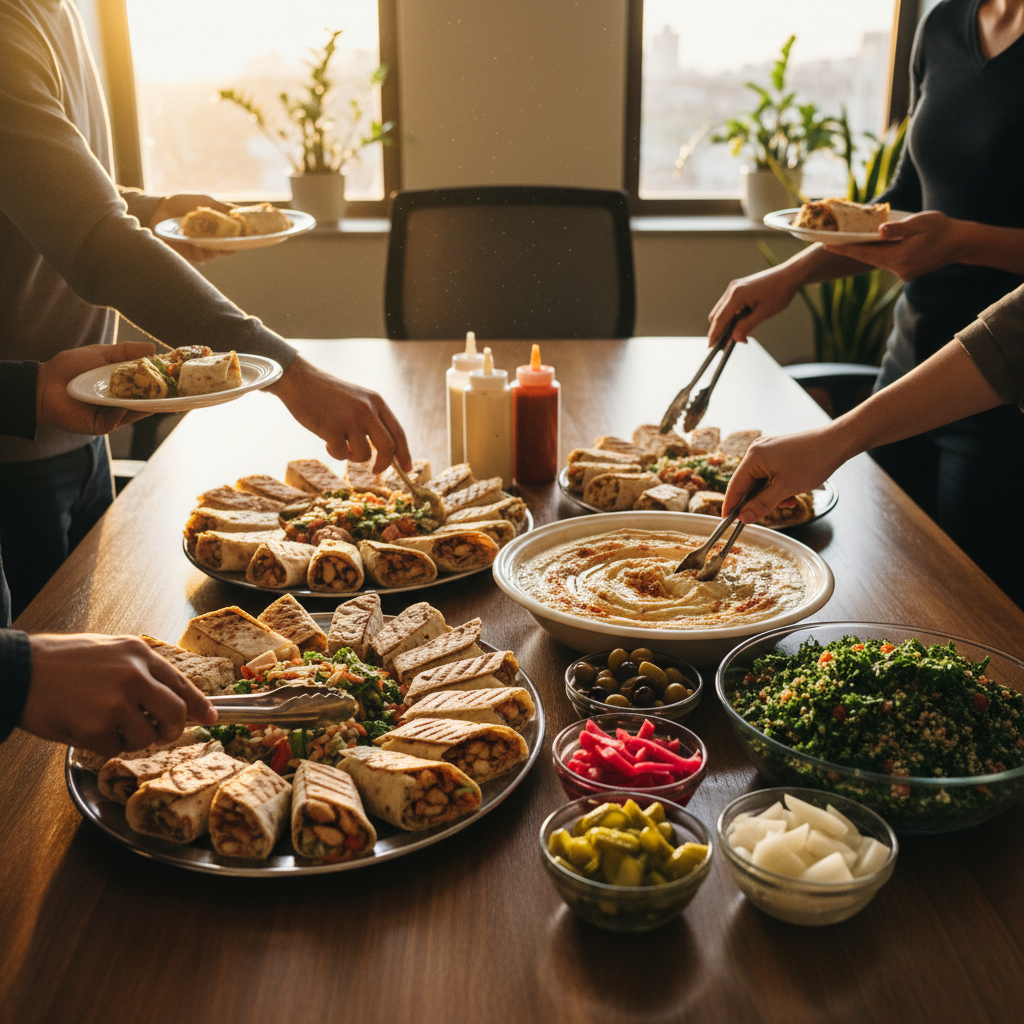
- Place wraps in alternating chicken/beef rows so guests decide in seconds.
- Keep sauces in squeeze bottles; budget 2–3 tablespoons per person.
- Set tongs with each platter to avoid cross-contact for dietary needs.
Frequently Asked Questions
Quick answers to the most common shawarma menu and ordering questions in Toronto. Use these for planning fast lunches, family meals, and corporate events with fewer leftovers and smoother pickup windows.
What’s the difference between a shawarma wrap, bowl, and plate?
Wraps are portable and quick, bowls are lighter and often gluten-free, and plates are the most filling with rice and salad sides. For transit over 15 minutes, plates and bowls hold heat and structure longer than wraps.
How many wraps should I order for a team?
Plan 1.5 wraps per hungry adult or 1 wrap for lighter appetites. If you’re uncertain, add one or two plates to share—this reduces leftovers and covers bigger eaters without slowing the line.
What sauces pair best with chicken and beef?
Garlic sauce complements chicken, while tahini balances beef’s deeper spices. Offer hot sauce on the side to keep things family- and office-friendly. Aim for 2–3 tablespoons of sauce per guest at buffets.
Should I choose delivery or pickup for Old Toronto?
Pickup is efficient for 4–10 meals and helps avoid subway rush delays. For 10+ people or tight schedules, delivery is convenient—just request sauces on the side and allow a 20–30 minute buffer for setup.
Conclusion and key takeaways
Pick chicken and beef classics, mix in plates for heavier appetites, and keep sauces on the side for travel time. For groups, plan 1.5 wraps per person or one plate for 1–1.25 people. In Old Toronto, timed pickup helps you beat rush periods.
- Choose formats by timing: Wraps win for speed; plates and bowls for longer trips.
- Balance the spread: Two proteins + two salads + pickles keep everyone happy.
- Label clearly: Protein labels and separate sauces move buffet lines faster.
- Plan ahead: For weekend events, book drops 48 hours in advance.
When you’re ready, lock in your pickup window or schedule a delivery with notes for sauces on the side. For larger groups, our Toronto catering tips walk through timing, setup, and labeling so your event runs on rails.