Turkish cuisine health benefits come from heart-friendly olive oil, fiber-rich legumes, colorful vegetables, herbs, and lean proteins like chicken shawarma and doner. This Mediterranean-based pattern supports heart health, steady energy, gut wellness, and satisfying weight management when you balance portions, choose grilled over fried, and build plates around produce and whole grains.
By Shawarma Moose • Last updated: 2026-04-13
Here’s what you’ll find in this complete guide:
- What Turkish cuisine is and why nutrition experts often group it with Mediterranean-style eating
- Clear benefits for heart health, gut health, energy, and satiety—plus what actually drives them
- Practical ways to order lighter shawarma bowls for delivery or pickup from our 898 College St location
- Healthy menu frameworks for corporate catering across Toronto offices and events
- Smart swaps, portion guidelines, and a build-your-bowl process table you can use today
Quick Answer
Turkish cuisine health benefits come from a Mediterranean balance of olive oil, vegetables, legumes, and lean proteins. At Shawarma Moose (898 College St, Toronto), you can order online for delivery or pickup and build a lighter shawarma bowl or plan corporate catering with fiber-forward sides that help teams feel fueled, not sluggish.
Quick Summary
Turkish cuisine supports heart health, energy, and gut balance by emphasizing produce, legumes, herbs, and olive oil alongside grilled proteins. Order grilled shawarma, double up on salads, choose hummus or bulgur over fries, and keep sauces on the side. For offices, plan platters with mixed greens, lentils, and lean meats.
- Core pattern: Vegetables, legumes (chickpeas, lentils), olive oil, herbs, fish/poultry, fermented dairy, and grains like bulgur.
- Primary gains: Cardiometabolic support, steady blood sugar, improved satiety, and diverse gut microbiome inputs.
- Easy wins: Grilled over fried; salads-first plating; half-carb, half-veggie base; tahini and garlic sauces on the side.
- At Shawarma Moose: Online ordering for delivery or pickup lets you customize bowls and wraps; catering adds vegetarian meze and halal-friendly proteins.
What Is Turkish Cuisine?
Turkish cuisine blends Mediterranean and Middle Eastern traditions, centering on vegetables, legumes, olive oil, herbs, yogurt, grains, and grilled meats. Common anchors include lentil soups, meze spreads, bulgur pilaf, shepherd’s salad, and shawarma/döner—balanced flavors built on fresh produce and spice.
- Signature building blocks:
- Olive oil + herbs: Antioxidant-rich base; herbs like oregano, mint, sumac, and parsley add flavor without heavy salt.
- Legumes: Chickpeas, lentils, and beans pack plant protein and fiber that support fullness and gut health.
- Vegetables: Tomatoes, cucumbers, peppers, onions, eggplant, and leafy greens deliver vitamins, minerals, and phytonutrients.
- Fermented/strained dairy: Yogurt and labneh bring protein and probiotics for digestion.
- Grilled proteins: Chicken shawarma, döner, and kebabs offer lean protein when grilled and trimmed.
- Whole grains: Bulgur and sometimes barley or brown-style pilafs for sustained energy.
- Why it aligns with Mediterranean-style eating:
- Similar emphasis on produce, legumes, and healthy fats is linked in research to heart benefits and better metabolic profiles.
- Patterns prioritize cooking techniques (olive oil stews, grilling) that preserve nutrients and manage added fats.
- Everyday examples at Shawarma Moose:
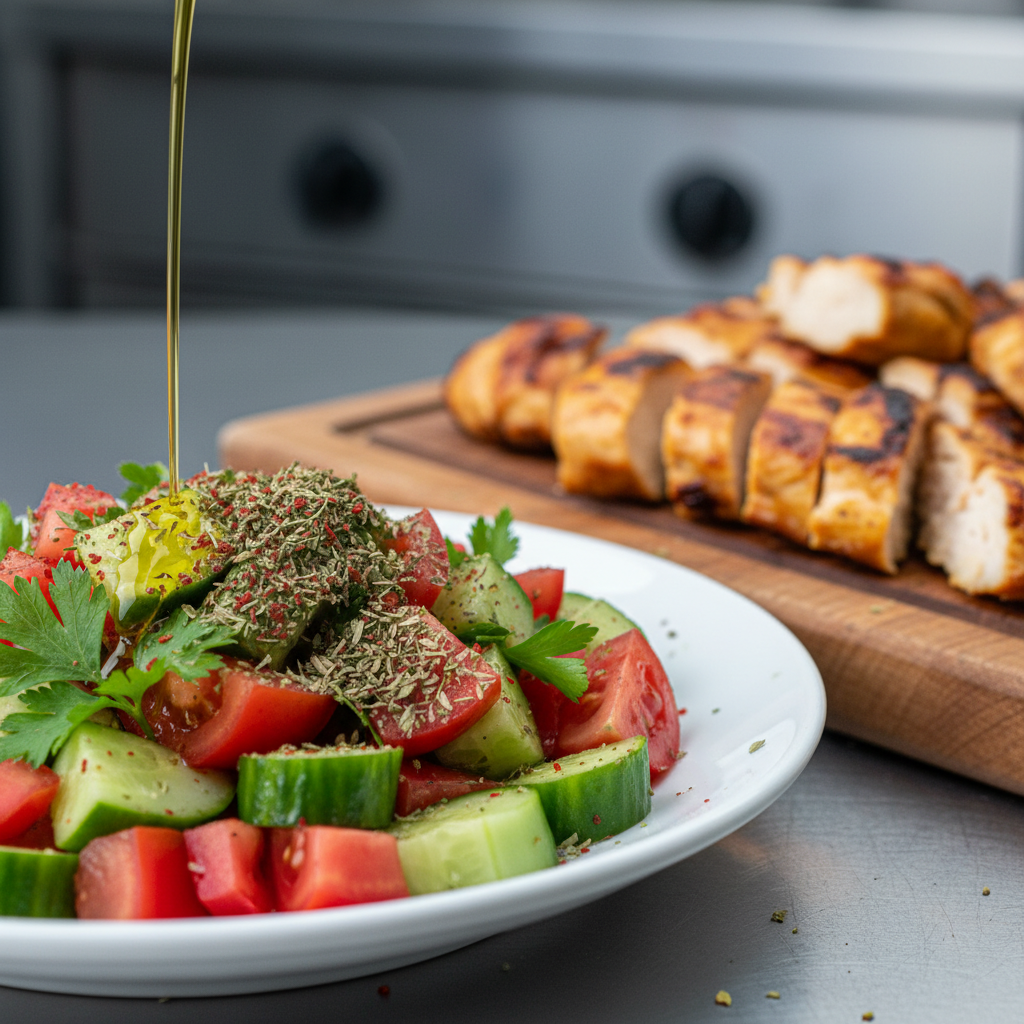
- Chicken shawarma plate with shepherd’s salad and hummus instead of fries.
- Falafel meze with tahini, roasted vegetables, and bulgur pilaf for a balanced vegetarian plate.
- Wrap or bowl formats that make portion control and sauce-on-the-side simple for takeout.
For more context on local options, see our take on authentic spots in Toronto in this internal guide to Turkish cuisine in Toronto, and dive deeper into macronutrients in our shawarma nutrition guide.
Why Turkish Cuisine Health Benefits Matter
Choosing Turkish food can improve everyday energy, support heart health, and help with weight management thanks to fiber, quality fats, and lean proteins. Balanced plates stabilize blood sugar, reduce afternoon slumps, and make it easier to feel satisfied with fewer empty calories.
- Heart health wins:
- Olive oil is predominantly monounsaturated fat, which supports healthy cholesterol profiles when it replaces saturated fat.
- Herbs and spices allow lower sodium without sacrificing flavor—a key driver of blood pressure management.
- Steady energy and satiety:
- Legumes (lentils, chickpeas) provide a slow-burning mix of protein and fiber that supports stable blood sugar through the afternoon.
- Vegetable-forward sides bulk up meals with minimal calories, improving fullness per bite.
- Gut-friendly variety:
- Different plant fibers (insoluble, soluble, and resistant starch) feed a diversity of gut bacteria.
- Yogurt and fermented sides add live cultures that can aid digestion for many people.
- Workday performance:
- Teams often report fewer post-lunch crashes when catered meals center on vegetables, legumes, and lean proteins versus heavy fried spreads.
- In our experience serving Toronto offices, salad-forward platters get finished faster than fries when sauces are portioned into small cups.
When planning weekday lunches or event menus, this pattern pays off: people stay focused, enjoy bold flavors, and feel good about what they ate—without skipping dessert entirely.
How the Health Benefits Actually Work
Turkish cuisine’s benefits come from a combination effect: fiber slows digestion, quality fats improve nutrient absorption, and lean proteins sustain fullness. Grilling limits added fats, while herbs, citrus, and garlic create big flavor with less salt and sugar.
- Fiber slows the curve:
- Chickpeas, lentils, and bulgur add soluble and insoluble fiber, which can reduce post-meal glucose spikes.
- Vegetable starters (salads, meze) pre-load a meal with fiber and water, helping with portion control.
- Healthy fats, better absorption:
- Olive oil helps you absorb fat-soluble vitamins (A, D, E, K) from salads and roasted vegetables.
- Replacing butter or shortening with olive oil shifts fat quality toward heart-friendlier profiles.
- Protein holds hunger:
- Grilled chicken shawarma, döner, or falafel provide satisfying protein that keeps you full longer between meals.
- Yogurt-based dips add protein and creaminess without relying on heavy cream.
- Spices and acids lift flavor:
- Sumac, lemon, and vinegar brighten dishes so you can enjoy less salt and sugar.
- Garlic, cumin, paprika, and mint add aroma that curbs the urge for extra sauces.
Self-contained insight: A balanced Turkish plate pairs a fiber base (salad + bulgur), lean protein (grilled chicken shawarma), and olive-oil-dressed vegetables, with tahini or garlic sauce on the side. This trio supports satiety, steady energy, and micronutrient absorption without relying on heavy frying.
Types, Methods, and Approaches
Prioritize grilled proteins, meze vegetables, legumes, and whole grains; minimize deep-fried add-ons and creamy extras. Choose bowls over overstuffed wraps when you want tighter portions, and keep sauces on the side to control sodium and calories.
- Protein choices (good → better):
- Grilled chicken shawarma or döner (trimmed) → Excellent default for lean protein.
- Falafel (baked or moderate portions) → Plant protein and fiber; pair with large salad base.
- Mixed grill platters → Shareable variety; balance with double vegetables.
- Base strategies:
- Half greens, half grains (bulgur) as a standard bowl base keeps carbs and fiber in balance.
- Swap fries for roasted vegetables or extra salad to reduce saturated fat and sodium.
- Sauce and seasoning control:
- Ask for tahini, garlic, or hot sauce on the side; drizzle lightly and taste before adding more.
- Use lemon, sumac, and herbs to boost flavor and reduce the need for extra salt.
- Cooking methods to favor:
- Grilling and roasting preserve texture and limit added fats.
- Olive-oil braises and stews (zeytinyağlı dishes) deliver tender vegetables with minimal dairy.
| Component | Portion Guide | Health Benefit | Menu Ideas (Shawarma Moose) |
|---|---|---|---|
| Greens + Vegetables | 2 cups base | Fiber, volume, micronutrients | Shepherd’s salad, roasted veg |
| Whole Grains | 1 cup bulgur | Steady energy, B vitamins | Bulgur pilaf under shawarma |
| Lean Protein | 1 palm (~4–6 oz) | Satiety, muscle support | Grilled chicken shawarma, döner |
| Legume Side | 1/2–1 cup | Fiber, plant protein | Hummus, lentil soup/meze |
| Olive Oil + Herbs | 1–2 tbsp | Healthy fats, flavor | Olive oil dressings, sumac, parsley |
| Sauces (optional) | 2–3 tbsp total | Taste control, sodium awareness | Tahini, garlic, hot sauce on side |
Want a deeper dive into how to spot authenticity when you’re exploring the city? Read our practical take in how to find authentic flavors and compare approaches in our fresh shawarma delivery guide.
Best Practices: Ordering, Pickup, Delivery, and Catering
The simplest path to a healthier Turkish meal is to lead with vegetables, choose grilled proteins, portion grains, and keep sauces on the side. For teams, set buffet lines in this order—salad first, then grains, then protein—to nudge balanced plates without lectures.
Smarter Online Orders (Delivery or Pickup)
- Start with a bowl: Easier to control portions than an oversized wrap; half greens, half bulgur.
- Go grilled: Choose chicken shawarma/döner over fried options; ask for extra roasted vegetables.
- Legume add-on: Add hummus or a lentil side for fiber and plant protein.
- Sauce sense: Request tahini/garlic on the side; taste first, add lightly.
- Hydrate smart: Pair with water or unsweetened tea to keep sugars in check.
Pickup Tips from 898 College St
- Beat the rush: Plan pickup slightly before typical lunch peaks to keep produce crisp.
- Transport ready: Keep bowls upright; request double-lidding for salads with dressing on the side.
- Reheat like a pro: Rewarm proteins separately from greens to preserve texture.
Corporate Catering: Buffet Psychology
- Order-of-ops: Place salads first in line, then grains, then proteins; sauces at the end in portion cups.
- Vegetarian parity: Offer falafel meze, roasted vegetables, and bulgur so plant-forward eaters feel included.
- Halal clarity: Label proteins clearly; teams appreciate transparent choices.
- Waste watch: Use smaller tongs and ladles to naturally right-size portions and reduce leftovers.
Soft CTA: Planning a working lunch? Explore our story on why Toronto businesses choose Turkish cuisine for corporate events—then send us your headcount and dietary needs.
Tools and Resources
Use simple frameworks—a bowl builder, portion hand-guides, and a smart swaps list—to turn Turkish dishes into everyday, healthy defaults. These tools make ordering faster, reduce guesswork, and keep meals satisfying without overdoing sauces or starch.
Build-Your-Bowl Framework
- Base: 50% salad/vegetables + 50% bulgur (or all-greens if you want lighter).
- Protein: 1 palm-sized serving of grilled chicken shawarma or döner (or falafel for vegetarian).
- Legume side: 1/2–1 cup hummus or lentil meze.
- Flavor boosts: Lemon, sumac, parsley, pickles.
- Sauces: 2–3 tablespoons total on the side.
Smart Swaps
- Fries → Roasted vegetables: Keep crunch and color; cut saturated fat and sodium.
- Wrap-only → Bowl or half-wrap: Manage portions; increase vegetables.
- Heavy cream → Yogurt-based dips: Preserve creaminess with more protein.
- Butter → Olive oil: Shift to monounsaturated fat for heart-friendly profiles.
- Sweet beverages → Water/tea: Reduce added sugars that spike energy and crash later.
Portion Hand-Guides
- Protein: 1 palm (about 4–6 ounces cooked).
- Grains: 1 cupped hand (about 1 cup cooked bulgur).
- Vegetables: 2 open hands (about 2 cups).
- Sauces: 2–3 tablespoons total (measure with standard spoons when possible).
Case Studies and Real-World Examples
Toronto teams eating Turkish-style lunches report better afternoon focus when buffets start with salads and include legumes and lean proteins. Online orders built as bowls—greens first, grilled meat, legume side, and sauces on the side—consistently deliver satisfaction without post-meal slumps.
- Downtown marketing standup (12 people):
- Spread: Chicken shawarma, roasted vegetables, bulgur, shepherd’s salad, hummus, tahini.
- Outcome: Plates skewed 60% vegetables/legumes; team noted “lighter but filling” energy through 3 PM.
- Queen West design sprint (18 people):
- Spread: Mixed grill, falafel meze, lentil soup, pickles, garlic sauce cups.
- Outcome: Balanced plates reduced leftover bread; several asked for bowls instead of wraps next time.
- Solo remote worker order:
- Order: Bowl with half-greens/half-bulgur, grilled chicken shawarma, extra roasted peppers, hummus, tahini on side.
- Result: Steady energy through an afternoon of calls; easy to repeat as a weekday habit.
Curious about vegetarian plates? Our falafel plates are a popular plant-forward option; browse a real item example here: falafel plate details. Or compare another listing at this falafel plate and round out your meal with a crisp salad such as the Greek salad.
Local Tips
- Tip 1: If you’re picking up from 898 College St, street parking on College can be tight around 12–1 PM—use side streets near Ossington for a faster grab-and-go.
- Tip 2: During winter storms, choose delivery with bowls over wraps; greens and grains travel better in colder weather than delicate breads.
- Tip 3: For corporate teams along the Queen and King streetcar corridors, request individually labeled sauces to speed buffet flow and reduce mess.
IMPORTANT: These tips reflect our day-to-day operations in Toronto and help you get fresher textures and smoother service.

FAQ
Balanced Turkish meals emphasize vegetables, legumes, olive oil, and grilled proteins—order bowls, sauces on the side, and swap fries for roasted vegetables. This approach keeps sodium and saturated fat in check while preserving bold, satisfying flavors.
- How do I make a shawarma order healthier?
- Choose a bowl, go half-greens/half-bulgur, pick grilled chicken or falafel, add a legume side, and keep sauces on the side.
- Is Turkish cuisine good for heart health?
- Yes. Olive oil, vegetables, legumes, herbs, and grilled proteins align with heart-healthy Mediterranean-style patterns highlighted by leading research groups.
- What should offices order for balanced lunches?
- Set buffets with salads first, then grains, then proteins; include hummus/lentil sides and portioned sauces to encourage balanced plates.
- Can I eat Turkish food if I’m vegetarian or gluten-sensitive?
- Absolutely. Build plates around meze, roasted vegetables, salads, and bulgur; choose gluten-friendly sides and keep breads optional.
- What about sodium?
- Use herbs, lemon, and sumac to boost flavor; taste before salting; portion sauces to manage sodium without sacrificing taste.
Conclusion and Key Takeaways
Turkish cuisine makes healthy eating practical: vegetables and legumes form the base, olive oil and herbs add flavor, and grilled proteins keep you full. Order bowls, double salads, and sauces on the side for everyday balance; plan office buffets with salads first to nudge better plates.
Key Takeaways
- Build around plants: Start with salads and vegetables; add bulgur for steady energy.
- Choose grilled: Chicken shawarma, döner, or falafel with mindful portions.
- Sauce smart: Portion 2–3 tablespoons on the side; season with lemon and herbs.
- Office-friendly: Put salads first in line, sauces last, and label proteins clearly.
Next Steps
- Try a bowl that follows the framework above for your next lunch.
- For teams, sketch a buffet order built around salads, legumes, and grilled proteins.
- Explore our internal nutrition deep-dive on shawarma health benefits to personalize your go-to order.
Final CTA: Ready to feel great after lunch? Build your custom bowl for pickup or delivery from our College Street kitchen, or outline a balanced catering plan for your next meeting—we’ll help you fine-tune portions and sauces.
Related Articles
For readers exploring Turkish food in Toronto, these internal pieces expand on taste, authenticity, and logistics—each with practical tips woven into the narrative:
See our editorial overview of Turkish cuisine in Toronto for neighborhood context, and compare delivery tactics in our fresh shawarma delivery guide. If you’re curious about nutrient balance in wrap vs. bowl formats, consult the shawarma nutrition guide next.