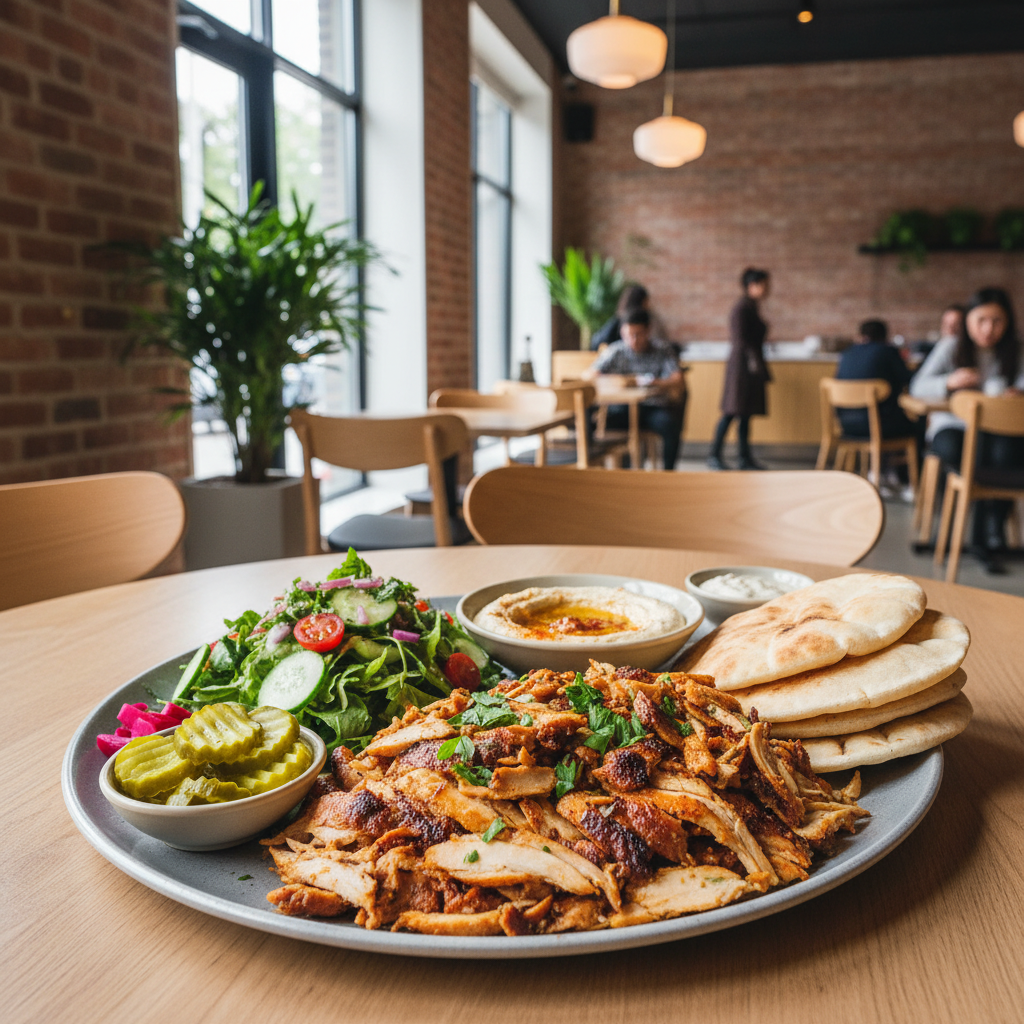
Shawarma nutrition and health benefits center on high-quality protein, fiber-rich add-ons, and heart-healthy fats when you build your wrap or bowl wisely. Choose lean proteins, load up on vegetables, use whole grains, and keep sauces moderate. Done right, shawarma supports balanced eating, steady energy, and post‑workout recovery while staying flavorful and satisfying.
Quick Answer
Shawarma can be a nutrient-dense meal when you focus on lean protein, vegetables, and smart sauces. At Shawarma Moose (898 College St, Toronto), you can customize bowls and wraps, then order shawarma online for delivery or pickup to fit your health goals and schedule.
Above the Fold: What You’ll Learn
This guide shows how to build a healthier shawarma without losing flavor. You’ll learn which proteins, grains, and sauces to choose, how to plan balanced meals, and how to order for delivery, pickup, or catering in Toronto. Use the checklists and tables to make fast, confident choices.
- Smart ordering playbook: Protein, veggies, grains, and sauce choices for balance.
- Nutrition basics: Macros, fiber, and fats that make shawarma work for you.
- Customization tips: How to tailor wraps and bowls for goals (energy, recovery, variety).
- Local convenience: How to order online in Toronto for delivery or pickup.
- Group eating made easy: What to include when you plan a nutritious shawarma catering spread.
Summary
Balanced shawarma pairs lean protein with vegetables, whole grains, and lighter sauces. Prioritize grilled chicken or beef, add colorful produce, choose rice or whole‑wheat pita, and portion sauces. This supports satiety, heart health, and steady energy—without sacrificing taste or convenience.
- Protein first: Chicken or beef for 20–30 g protein per serving (approximate; cooking and portion sizes vary).
- Color counts: Tomatoes, cucumbers, onions, pickled turnips, and greens add fiber and micronutrients.
- Whole grains help: Brown rice or whole‑wheat pita for extra fiber and fullness.
- Sauce smart: Tahini and yogurt‑based sauces offer healthy fats; portion for balance.
- Toronto‑friendly: Customize and pick up at 898 College St or schedule delivery.
What Is Shawarma Nutrition and Health Benefits?
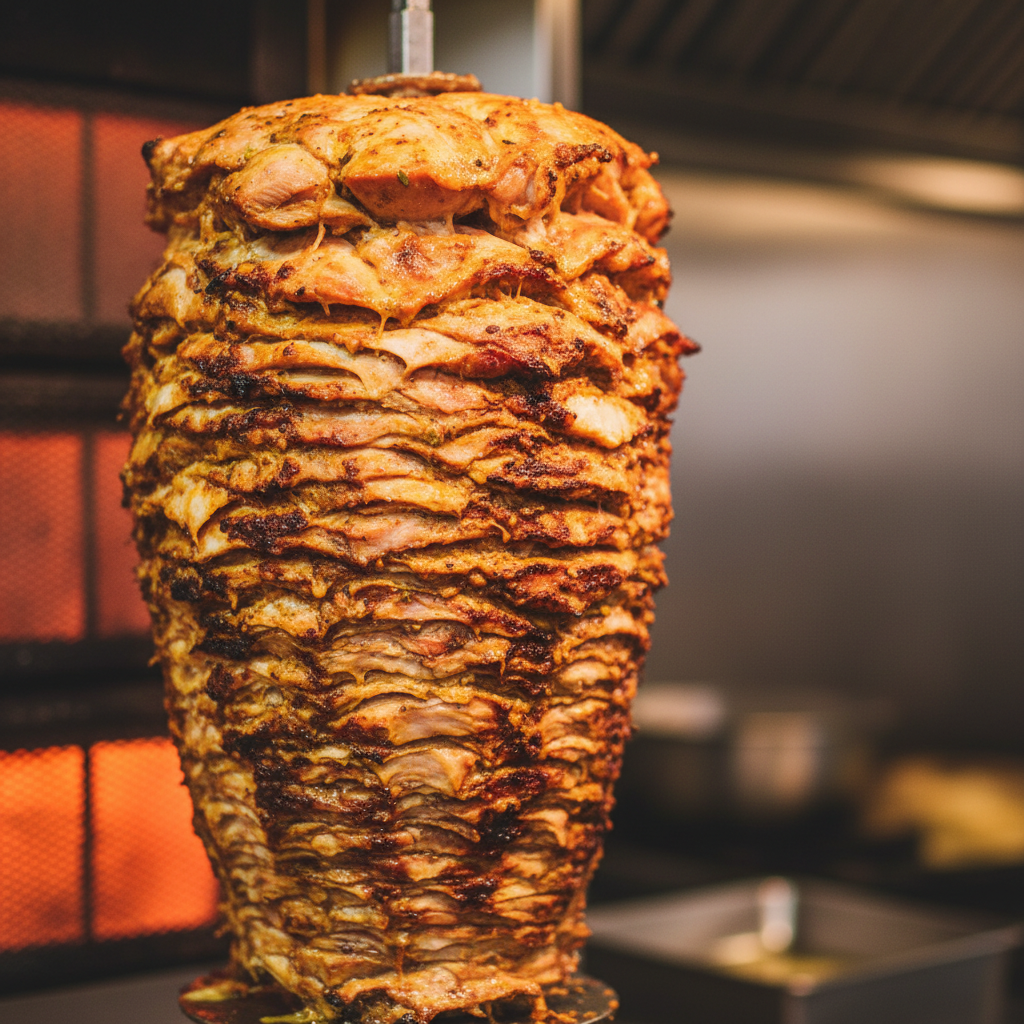
Shawarma nutrition refers to the macro- and micronutrient profile of marinated, spit‑roasted meats served with vegetables, grains, and sauces. Health benefits include high-quality protein, fiber from sides, and heart‑healthy fats—provided you choose lean cuts, add produce, and manage portions.
- Core components:
- Protein: Chicken, beef, or plant‑based falafel add satiety and muscle support.
- Carbohydrates: Pita or rice provide energy for workdays and workouts.
- Fats: Tahini, olive oil, and yogurt sauces can contribute heart‑healthy fats.
- Micronutrients: Tomatoes (vitamin C), cucumbers (hydration), onions (antioxidants), pickled turnips (probiotics from fermentation).
- Why it matters:
- Satiety and energy: A protein‑plus‑fiber combo helps you feel full longer and stabilize energy.
- Cardiometabolic support: Mediterranean‑style patterns rich in vegetables, olive oil, and pulses are linked to better heart health (Harvard T.H. Chan School of Public Health, 2025 brief).
- Customization: Easy to tailor for different dietary needs in Toronto’s diverse workplaces and families.
- Local example: At 898 College St, Shawarma Moose offers customizable bowls and wraps so diners can emphasize protein, vegetables, or grains depending on goals.
According to USDA FoodData Central (2024), cooked chicken thigh per 100 g typically contains about 209 calories and ~26 g protein; beef varies by cut but averages ~200–250 calories with ~25–28 g protein. These baselines help you estimate macros as you build a balanced shawarma meal.
Local Tips
- Tip 1: Picking up near Trinity Bellwoods or Ossington? Plan a quick stop at 898 College St before evening rush on College Street to keep meals fresh and fast.
- Tip 2: Toronto winters hit hard—schedule delivery windows a bit earlier to account for snow or traffic so your warm bowls arrive on time and at temperature.
- Tip 3: For corporate meetings downtown or along Queen West, order assorted bowls (chicken, beef, and falafel) with extra greens and tahini so everyone finds a nutritious favorite.
IMPORTANT: These tips align to Shawarma Moose’s delivery, pickup, and catering services for local teams and families.
Why Shawarma Nutrition Matters for Busy Toronto Diners
Healthy shawarma choices give you fast protein, vegetables, and smart carbs in one handheld wrap or bowl. For commuters and office teams, that means reliable energy and fewer snack crashes—especially when delivery and pickup make nutritious meals easy to schedule.
- Time‑pressed schedules:
- Lunch in minutes: Pre‑configured bowl choices reduce decision fatigue and keep projects moving.
- Mobile ordering: Save favorites and reorder quickly when days get busy.
- Predictable delivery: Pre‑set windows minimize meeting disruptions; you can also order pickup in Toronto to control timing.
- Performance and focus:
- Protein anchor: Around 20–30 g protein per meal supports satiety and attention (USDA nutrient baselines; exact values vary by portion).
- Lower energy dips: Fiber from vegetables and whole grains slows digestion and helps maintain steady energy.
- Hydration assist: Fresh produce like cucumbers and tomatoes add water content alongside crunch and color.
- Inclusivity for groups:
- Meat and plant options: Chicken, beef, and falafel satisfy varied preferences in one order.
- Common dietary patterns: Mediterranean‑style, high‑protein, or lighter carb—customization makes it simple.
- Easy rollout: Use shawarma catering for teams so everyone can build their plates to taste and target.
In our experience serving Toronto offices, the most requested combinations pair grilled chicken with greens, cucumbers, tomatoes, and a light drizzle of tahini—balanced, colorful, and office‑friendly.
How Shawarma Fuels You: Macros, Fiber, and Fats
A well‑built shawarma combines protein for fullness, complex carbs for energy, and healthy fats for satisfaction. Aim for lean meat or falafel, fiber‑rich vegetables, and whole‑grain bases. Portion sauces to add flavor without overpowering calories or sodium.
- Protein (muscle and satiety):
- Chicken/beef: Commonly ~20–30 g protein per serving depending on portion and cut.
- Falafel: Plant protein plus fiber; pair with extra greens for balanced macros.
- Why it matters: Higher protein meals have been associated with better satiety across multiple nutrition studies (see dietetic literature summaries through 2025).
- Carbohydrates (energy):
- Pita or rice: White rice and pita digest faster; brown rice or whole‑wheat pita add fiber for steadier energy.
- Vegetable carbs: Tomatoes, onions, and pickled veggies contribute small amounts plus antioxidants.
- Practical split: Many active diners do well with half‑rice, half‑greens bases.
- Fats (satisfaction and heart health):
- Tahini and olive oil: Sources of unsaturated fats that support a Mediterranean pattern.
- Yogurt‑based sauces: Add creaminess with potentially less fat than heavy mayo‑style dressings.
- Action tip: Ask for light sauce first; add more if needed after a taste test.
USDA references suggest a typical 60 g pita provides ~150–170 calories and ~5–6 g protein, while 2 tbsp of hummus adds ~60–80 calories with ~2 g protein. These estimates help you design portions that fit your goals without micromanaging every gram.
Types of Shawarma Builds: Wraps, Bowls, and Plates
Choose wraps for portability, bowls for portion control, and plates for shareable variety. Each format can be balanced by anchoring lean protein, adding vegetables, selecting whole grains, and right‑sizing sauces for flavor without excess.
- Wraps (on the go):
- Best for: Commuters and quick lunches.
- Balance move: Ask for extra vegetables and go light on sauce.
- Pro tip: Add pickled turnips for crunch and gut‑friendly tang.
- Bowls (custom control):
- Best for: Macro awareness, mixed bases (half rice, half salad).
- Balance move: Choose chicken or beef, plus greens, tomatoes, cucumbers, onions.
- Try this: See our popular chicken shawarma bowl approach for inspiration.
- Plates (family‑style):
- Best for: Sharing at home or the office.
- Balance move: Include hummus, greens, and grilled vegetables alongside pita.
- Action: Keep tahini nearby and dress to taste at the table.
Take a look at ingredient fundamentals with this independent overview of shawarma wrap ingredients for context on typical fillings and textures in Toronto.
Comparison: Protein Options and Typical Nutrition
Chicken and beef deliver high protein per serving with moderate fat, while falafel adds plant protein and fiber. Choose based on goals: leaner cuts for lower calories, or falafel for vegetarian variety. Pair with vegetables and whole grains to round out the plate.
| Protein | Calories | Protein | Fat | Carbs |
|---|---|---|---|---|
| Chicken (roasted, no skin) | ~180–210 | ~25–27 g | ~8–11 g | ~0 g |
| Beef (lean roast) | ~200–250 | ~25–28 g | ~10–15 g | ~0 g |
| Falafel (baked) | ~300–340 | ~12–14 g | ~15–18 g | ~30–35 g |
- Serving context: A typical shawarma portion often exceeds 100 g; use the table as a relative guide.
- Balance idea: If choosing falafel, add more salad and go lighter on pita to balance carbs.
- Flavor vs. calories: Sauces and oils can add 50–150+ calories per serving depending on portion.
Best Practices: Build a Healthier Shawarma in Five Steps
Anchor your order with lean protein, add double vegetables, pick a whole‑grain base, portion sauces, and hydrate. This simple sequence delivers great taste and steady energy without overcomplicating nutrition math.
- Pick your protein: Chicken or lean beef for higher protein density; falafel for plant‑forward variety.
- Double the vegetables: Add tomatoes, cucumbers, onions, and greens for micronutrients and fiber.
- Choose your base wisely: Whole‑wheat pita or a half‑rice/half‑greens bowl keeps energy steady.
- Portion the sauce: Ask for light tahini or yogurt sauce; add more after tasting.
- Mindful sides: Hummus is nutrient‑dense; balance with extra salad to keep portions in check.
- Action aid: Save your favorite combo in your ordering app for one‑tap reorders on busy days.
- Delivery reality: To preserve textures, request sauces on the side for longer commutes.
- On‑site pickup: If you’re near College and Ossington, swing by 898 College St to keep wraps toasty.
Need speed tonight? Here’s a handy primer on how to get shawarma delivered fast across Toronto without sacrificing quality.
Tools and Resources for Smarter Ordering
Use saved favorites, nutrition estimates, and a simple checklist to repeat balanced choices. For groups, create a shared note with protein options, bases, and sauces so everyone orders quickly and consistently.
- Saved favorites: Keep two go‑to builds—one lighter, one heartier—for different days.
- Estimation cues: 1 palm of chicken ≈ ~3–4 oz cooked; 2 tbsp hummus ≈ golf ball; pita ≈ ~150–170 calories (USDA baselines).
- Group templates: A short list—protein, base, 3 veggies, 1–2 sauces—speeds up team orders.
- Local convenience: Build once, then reorder via online ordering for delivery or pickup.
A 2025 dietetics review highlighted that simple, repeatable meal structures improve adherence to healthy eating patterns—precisely what a consistent shawarma build delivers over hectic weeks.
Case Studies: Real‑World, Health‑Forward Orders in Toronto
Balanced shawarma orders shine in offices, family dinners, and post‑workout meals. The pattern is the same: anchor protein, add vegetables, pick a smart base, and moderate sauces. This keeps meals satisfying and on‑plan without sacrificing flavor or time.
Office Lunch for a Mixed Team (Queen West)
- Goal: Keep a 12‑person project team alert for a 2‑hour working session.
- Order pattern: Chicken and beef bowls, half‑rice/half‑greens, tahini on the side, extra cucumbers and tomatoes.
- Outcome: Fewer mid‑afternoon snack runs; feedback emphasized “filling but not heavy.”
- Tip: Use corporate catering so each person customizes toppings quickly.
Family Dinner Near Trinity Bellwoods
- Goal: A shareable, colorful spread with options for kids and adults.
- Order pattern: Mixed plates with chicken, beef, falafel, hummus, greens, pickles, warm pita.
- Outcome: Easy plating; leftovers become next‑day bowls for school and work.
- Tip: Ask for sauces on the side to match different spice and richness preferences.
Post‑Workout Fuel on College Street
- Goal: Rebuild with protein and carbs without feeling weighed down.
- Order pattern: Chicken bowl, extra greens, half brown rice, light garlic yogurt.
- Outcome: Steady energy for the evening; easy digestion reported.
- Tip: Walk‑in pickup at 898 College St keeps the bowl hot and crisp.
These patterns reflect what we’ve seen across dozens of Toronto orders: practical, tasty, and sustainable. They’re also easy to replicate at home or the office.
Frequently Asked Questions
Shawarma works well in a balanced diet when you choose lean proteins, add vegetables, and moderate sauces. It’s flexible for families and offices, and easy to order for delivery, pickup, or catering across Toronto.
- How do I make my shawarma “lighter” without losing flavor?
Choose chicken or lean beef, double vegetables, and pick a whole‑wheat pita or half‑rice/half‑greens base. Ask for tahini and yogurt sauces on the side, taste, then add just enough to coat. Pickled turnips and herbs boost flavor with very few calories.
- Is shawarma good for post‑workout recovery?
Yes. A chicken or lean beef bowl with rice and greens provides protein for muscle repair and carbs for glycogen. Keep sauces light to avoid slowing digestion. Many active customers prefer half‑rice/half‑salad and a drizzle of tahini or yogurt sauce.
- What are healthier sauce choices?
Tahini and olive‑oil‑based dressings add unsaturated fats linked to heart health in Mediterranean‑style eating patterns. Yogurt‑based sauces add tang with potentially fewer calories than heavier dressings. Portion size matters most—ask for light, then add to taste.
- Wrap, bowl, or plate—what’s best?
All three can be balanced. Bowls offer the easiest portion control, wraps are most portable, and plates are best for sharing. Prioritize protein, double vegetables, select whole‑grain bases, and keep sauces moderate no matter the format.
- Can I keep leftovers nutritious?
Store proteins and sauces separately from vegetables and pita/rice to preserve textures. Reheat proteins gently, refresh greens, and add sauce after warming. Many customers turn dinner plates into next‑day bowls with extra salad and a light drizzle.
Conclusion
Shawarma can be a powerhouse meal when you build it with intention: lean protein, colorful vegetables, whole‑grain bases, and measured sauces. That pattern supports satiety, steady energy, and delicious variety—ideal for busy Toronto days.
- Key Takeaways:
- Start with protein, then add vegetables and smart carbs.
- Use tahini or yogurt sauces lightly for flavor and healthy fats.
- Bowls = portion control; wraps = portability; plates = sharing.
- Save favorite builds to speed up reorders on hectic days.
- For teams, order catering so everyone customizes their plate.
- Next steps:
- Pick a go‑to bowl and a go‑to wrap for different hunger levels.
- Schedule delivery before peak traffic or swing by 898 College St for pickup.
- For your next meeting, plan a protein‑plus‑greens catering set with sauces on the side.
Plan Your Next Nutritious Order
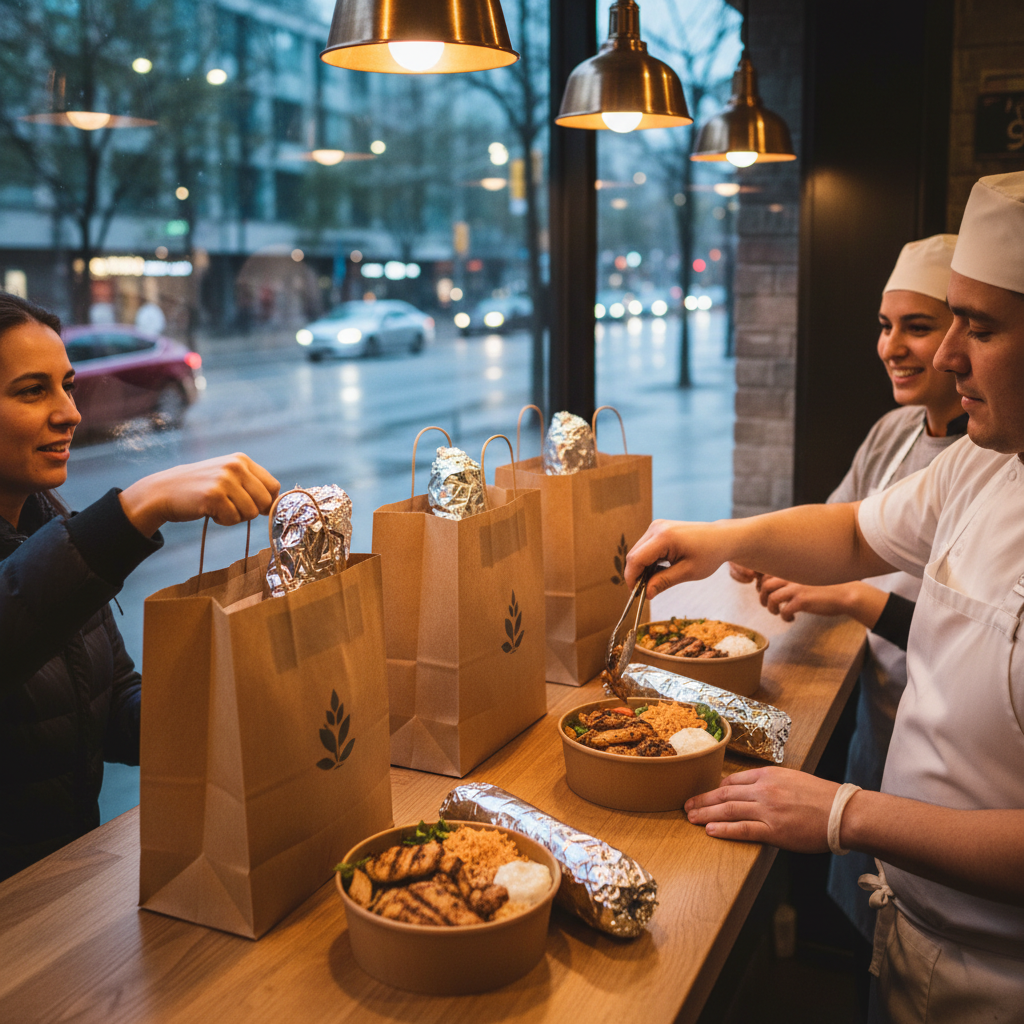
Ready to put this guide to work? Build your bowl or wrap, save it as a favorite, then reorder for delivery or pickup across Toronto. For teams and events, request an assortment so everyone can personalize their plate.
Related Articles
Explore more on building balanced meals, ordering smarter for groups, and customizing shawarma bowls and wraps for different nutrition goals—all tailored to Toronto diners.
- How to customize bowls for high‑protein days.
- Family‑style plates that keep leftovers fresh and tasty.
- Team catering checklists for inclusive, healthy spreads.