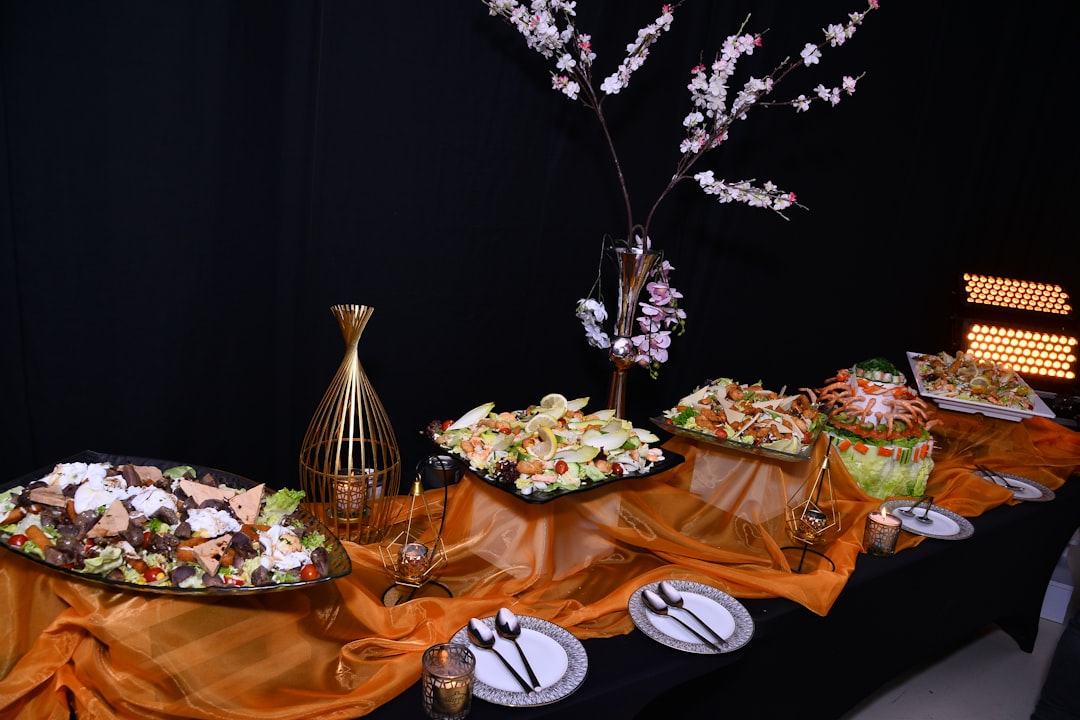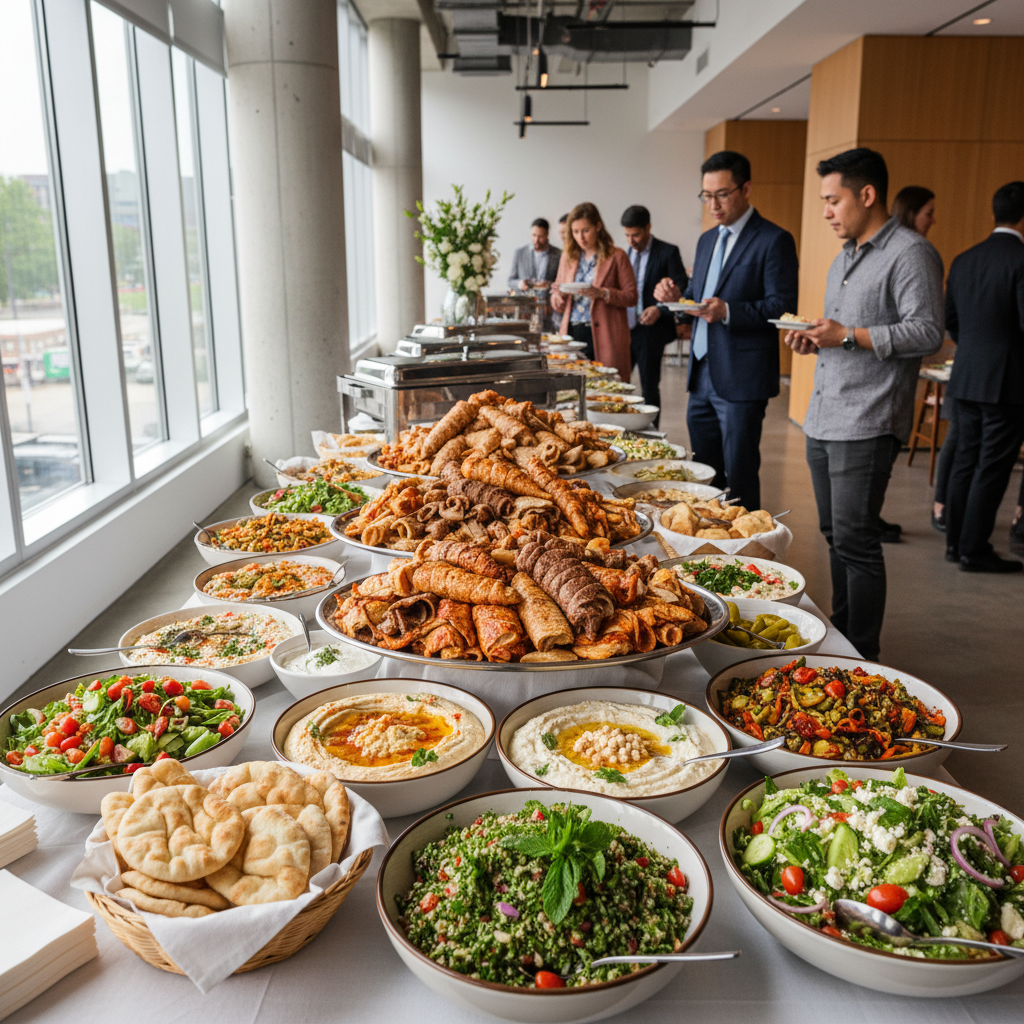
Toronto event food planning tips are the proven steps organizers use to choose menus, coordinate timing, and serve guests safely. From our kitchen at 898 College St in Old Toronto, Shawarma Moose helps teams plan stress-free catering, pickup, or delivery for meetings and celebrations, with authentic Turkish flavors and organized logistics that keep events on schedule.
By Shawarma Moose • Last updated: June 3, 2026
Quick Summary
Use a simple framework: define headcount and dietary needs, pick a balanced menu, schedule delivery or pickup with buffer time, and assign a point person. Shawarma Moose provides flexible catering trays, reliable delivery, and easy pickup so Toronto teams can serve flavorful shawarma and Turkish meze without stress.
This complete guide is built for Toronto planners who want a reliable playbook. You’ll find:
- Clear definitions and why planning matters
- A step-by-step checklist you can reuse
- Menu-building ideas for diverse diets
- Safety, timing, and service workflows
- Local Old Toronto considerations and transport tips
- Tools, templates, and real case studies
What Is Toronto Event Food Planning?
Toronto event food planning is the process of forecasting guest counts, selecting menus, and coordinating service so food arrives fresh, safe, and on time. It aligns dietary needs, setup, and cleanup with the run of show. At Shawarma Moose, this means tailored shawarma, Turkish meze, and smooth delivery or pickup.
In practice, the process covers five pillars: headcount accuracy, dietary mapping, menu balance, service approach (catering vs. pickup vs. delivery), and timing safeguards. Each pillar reduces risk while improving guest satisfaction. When these parts move together, events run like clockwork.
- Headcount: Create an invite-to-attend ratio and confirm RSVPs 48 hours out.
- Dietary mapping: Note vegetarian, vegan, halal, dairy-free, and gluten-sensitive needs.
- Menu balance: Pair proteins with grains, salads, and warm bread.
- Service approach: Choose catering trays, scheduled delivery, or timed pickup.
- Timing safeguards: Build 15–30 minutes of buffer around arrivals and setup.
We apply this method daily for office lunches, workshops, and evening socials. The same structure works for 10 or 200 people; you simply scale trays and staffing while keeping the workflow consistent.
Why Planning Your Menu Matters
Thoughtful menu planning prevents gaps in dietary coverage, reduces waste, and keeps service moving. The best events present familiar favorites and a few adventurous options, so guests eat confidently and discovery feels natural. Consistent timing avoids cold food and keeps the agenda on track.
When we help organizers in Toronto, we start with outcomes: energized attendees, clean tables, and no traffic jams at the buffet. A balanced shawarma-centered spread checks those boxes. Rotisserie meats, vibrant salads, and fresh-baked pita make service fast and satisfying without complicated plating.
- Dietary inclusion: Label vegetarian and vegan options clearly.
- Pace: Serve foods that portion quickly to prevent lines.
- Texture/temperature: Combine warm proteins with crisp salads and dips.
- Ease: Trays and platters simplify setup and cleanup.
Result: fewer questions at the table, happier guests, and hosts who can focus on speakers, networking, or program milestones.
Local Logistics in Old Toronto
Old Toronto venues benefit from precise timing, loading access, and transit-aware planning across the Toronto metro. We recommend short delivery windows, clear drop-off instructions, and a backup pickup option from 898 College St to navigate downtown traffic and venue constraints.
Urban events succeed when details are specific. Loading zones, elevator access, and room locations matter as much as the menu. Our team builds delivery windows around your agenda and suggests on-site layout options that keep foot traffic smooth.
Local considerations for Old Toronto
- Leverage nearby green space at Dufferin Grove Park for outdoor segments, then transition to indoor food service for temperature control.
- Plan for seasonal surges and rain; Toronto summers are busy and winters can slow traffic—use 15–30 minutes of buffer on deliveries.
- For teams coming via Ossington subway, place buffet tables near the entrance to streamline arrivals and reduce crowding at doors.
We also maintain a ready pickup plan if downtown delays surface. Coordinators appreciate a reliable fallback that keeps programs on schedule.
Step-by-Step: Plan Food for Any Toronto Event
Follow a nine-step workflow: set goals, lock a venue, map headcount and diets, choose service method, design the menu, schedule delivery/pickup, assign roles, set up labeling and flow, and confirm 24–48 hours out. This simple sequence prevents last-minute surprises.
- Clarify goals: Networking lunch, learning session, or celebration? Menu pacing follows your purpose.
- Secure venue and layout: Confirm tables, power, and access paths for trays and warmers.
- Forecast headcount: Create a sign-up deadline and confirm late RSVPs 48 hours prior.
- Map dietary needs: Track vegetarian, vegan, dairy-free, gluten-sensitive, and halal preferences.
- Select service approach: Catering setup, timed delivery drop, or fast pickup from College St.
- Build the menu: Balance proteins, grains, salads, meze, and dessert bites.
- Schedule logistics: Add 15–30 minutes of buffer around arrival and setup.
- Assign roles: One point person, one runner, and one cleanup lead.
- Confirm and label: Final headcount and allergy flags the day before; print simple labels.
We’ve seen this sequence work for tech standups, teacher PD days, and weekend fundraisers. The consistent pattern frees hosts to focus on content and community.
Service Approaches: Catering vs. Pickup vs. Delivery
Choose catering for hands-off setup, delivery for convenience, and pickup for control and agility. The right approach depends on venue access, agenda timing, and staffing. Shawarma Moose supports all three, letting Toronto planners flex to their constraints without compromising food quality.
Here’s a quick comparison to guide your decision.
| Approach | Best When | What You Get |
|---|---|---|
| Catering (on-site setup) | Limited staff; formal or mid-size events | Tray layout, labeling guidance, and streamlined buffet flow |
| Scheduled Delivery | Easy access; clear drop point; tight agenda | Hot trays delivered at target window with buffer time |
| Fast Pickup | Close to 898 College St; need control/flex | Order readiness, compact packaging, and quick load-out |
For deeper menu planning by format, see our event catering menu options and picking the right catering package. If you’re feeding a corporate team, you might also like our corporate catering menu ideas.
Menu Building: Shawarma, Turkish Meze, and Dietary Needs
Build a flexible menu around shawarma proteins, hearty grains, colorful salads, and meze dips. Offer clear vegetarian and vegan choices, note halal preparation, and flag common allergens. This creates fast lines, full plates, and confident choices for every guest.
Our most reliable event flow uses these anchors: carved chicken or beef shawarma, rice or bulgur, hummus and baba ghanoush, tabbouleh or shepherd’s salad, and warm pita. Add crisp pickles and a yogurt-based sauce to balance spice and texture.
- Proteins: Chicken or beef shawarma; consider falafel or roasted veggies for plant-based guests.
- Grains and sides: Rice, bulgur, roasted potatoes; add a bright salad for freshness.
- Dips and meze: Hummus, baba ghanoush, ezme; label spice levels.
- Breads: Warm pita and wraps for quick handheld builds.
- Sauces: Garlic, tahini, and yogurt-based options.
- Dietary labeling: Vegetarian, vegan, gluten-sensitive, and dairy-free markers on each tray.
Labeling reduces questions that stall lines. For a fast-start lunch, stage proteins first, then grains and salads, with dips and breads at the end to finish plates.
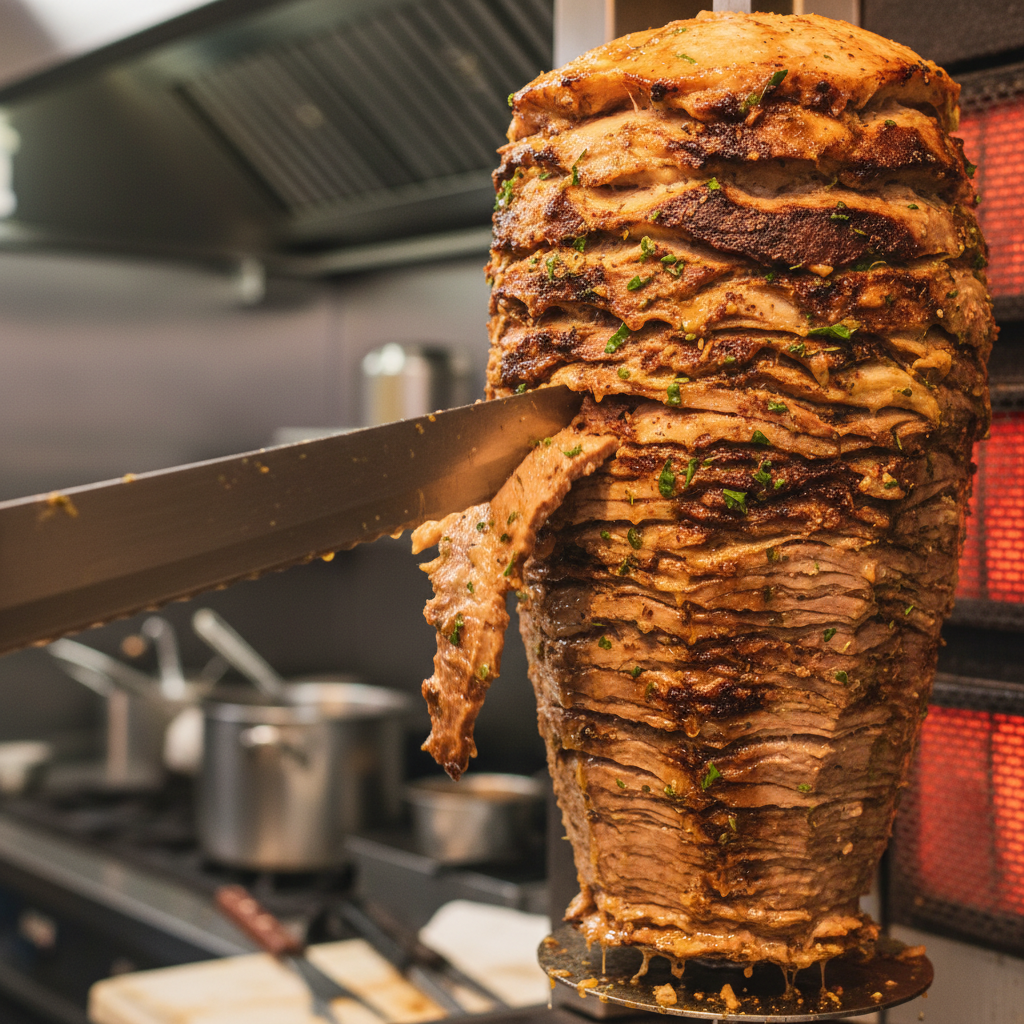
For more inspiration, explore our Old Toronto Turkish cuisine guide and see how classic meze brings color and balance to a buffet.
Food Safety and Timing Essentials
Keep hot foods hot, cold foods cold, and minimize time in the danger zone. Schedule short delivery windows, set up serving lines before guests arrive, and use simple labels to steer traffic. Smart timing protects quality and keeps sessions on schedule.
Warm shawarma trays hold well when service starts promptly. As a rule of thumb, begin serving within 15–20 minutes of arrival, and refresh salads near the halfway point to keep textures crisp. Assign one person to monitor line flow and replenish trays.
- Temperature control: Use chafers or insulated carriers; keep hot items above typical hot-holding thresholds and cold salads chilled until service.
- Traffic flow: One long line with two serving points moves faster than two separate lines.
- Allergy safety: Place vegetarian and dairy-free items at the start to avoid cross-contact.
- Leftover plan: Package promptly; label date and contents for staff.
These simple practices reduce waste and ensure every guest receives fresh food at the right temperature.
Tools and Resources for Planners
Use lightweight tools to speed planning: a headcount tracker, dietary matrix, run-of-show timeline, and setup diagram. Save them as reusable templates. Shawarma Moose provides checklists and labeling guides so Toronto hosts can prep fast and execute confidently.
Reusable templates
- Headcount tracker: Invitees, likely attendance, RSVPs, final count (48 hours out).
- Dietary matrix: Guest names vs. needs (vegetarian, vegan, halal, gluten-sensitive, dairy-free).
- Run-of-show: Venue access, delivery window, setup start, serving start, cleanup, close.
- Setup diagram: Table placement, traffic direction, and labeling spots.
Operational checklists
- Confirm elevators, loading zones, and room location.
- Print labels and allergen markers for each tray.
- Prep gloves, serving tongs, and sanitizer for surfaces.
- Stage trash and recycling with extra liners.
If you need menu structure ideas by event type, our internal guides on event catering menu options and private event planning can help you get started fast.
Case Studies: Toronto Teams We’ve Fed
Real examples show the plan in action: a 25-person sprint review, a 60-attendee training day, and a 120-guest community night. In each, headcount accuracy, labeling, and tight delivery windows turned potential chaos into smooth, memorable meals.
Agile sprint review (25 guests)
A software team needed handheld food for a 60-minute review. We suggested pickup for control. The spread: chicken shawarma, falafel, tabbouleh, hummus, and pita. Labels cut questions in half, and the team returned to demos with energy and no cleanup delays.
Teacher training day (60 attendees)
For a school PD day, timing was tight between workshops. We scheduled delivery 25 minutes before lunch and staged one long line with two serving points. Trays were refreshed once mid-service to keep quality high, and facilitators started on time after the break.
Community night (120 guests)
An evening social needed inclusive options. We built a vegetarian-forward station with roasted vegetables, salads, and dips beside the shawarma trays. Separate tongs and early labeling kept lines moving and ensured guests with dietary needs ate confidently.
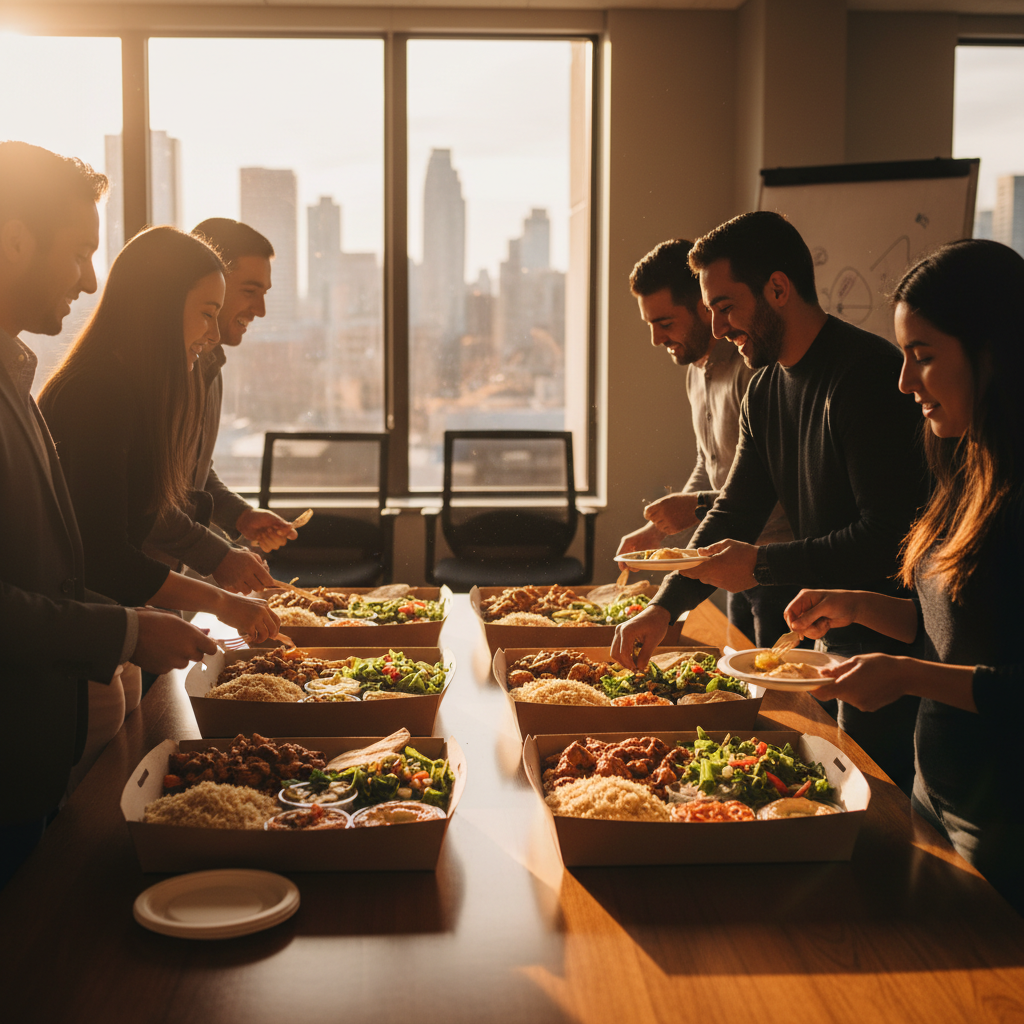
For more practical menu ideas, explore our corporate catering menu ideas and Toronto pickup guide.
Budget and Value Considerations
Focus on value signals: coverage for all diets, reliable timing, and easy service. Trays and platters scale well, reduce waste through portion control, and keep labor light. Choosing a consistent, balanced menu simplifies planning and delivers a dependable guest experience.
We advise organizers to anchor decisions in outcomes: satisfaction, speed, and inclusion. Shawarma-based spreads excel because they portion quickly, pair with fresh salads, and satisfy a range of tastes. That combination boosts perceived value and reduces operational friction.
- Scale with trays: Modular platters adapt to late headcount changes.
- Label early: Clear markers shorten lines and cut leftovers.
- Standardize: Repeat a proven lineup for recurring meetings.
If you want to see how we package modular sets, review our Toronto catering overview for formats and options.
Frequently Asked Questions
These concise answers address timing, dietary needs, reheating, and lead time. They’re designed for quick scan-and-go planning so you can confirm details and move forward without guesswork.
How far in advance should I confirm headcount?
Aim to lock your final number 24–48 hours before service. This window lets us right-size trays, label accurately, and schedule delivery or pickup buffers that protect food quality and your run of show.
What dietary accommodations can you cover?
We routinely support vegetarian, vegan, halal, dairy-free, and gluten-sensitive needs. We label trays clearly and can suggest plant-forward builds so every guest eats confidently without slowing the line.
Is catering, delivery, or pickup better for downtown venues?
Choose catering for hands-off setup, delivery for convenience with clear access, and pickup when you want control or expect traffic delays. We’re close to many Old Toronto venues, so pickup is a dependable fallback if timing gets tight.
What’s the best way to keep lines moving?
Stage proteins first, then grains and salads, with dips and breads at the end so guests finish plates quickly. Add simple labels and a runner to replenish trays. One long line with two serving points usually flows fastest.
Conclusion and Next Steps
Successful Toronto events use a repeatable framework: accurate headcount, inclusive menus, and tight timing. Shawarma Moose pairs that structure with authentic Turkish flavors and reliable service from 898 College St so you can focus on people, not plates.
Key takeaways
- Define goals, headcount, and dietary needs early.
- Choose the right service approach for your venue.
- Balance shawarma proteins with salads, grains, and meze.
- Label clearly and protect timing with buffer windows.
Planning an event? See why local teams lean on Turkish flavors to please diverse groups in our story on why Toronto businesses choose Turkish cuisine. Or reach out through our site to start your plan today.