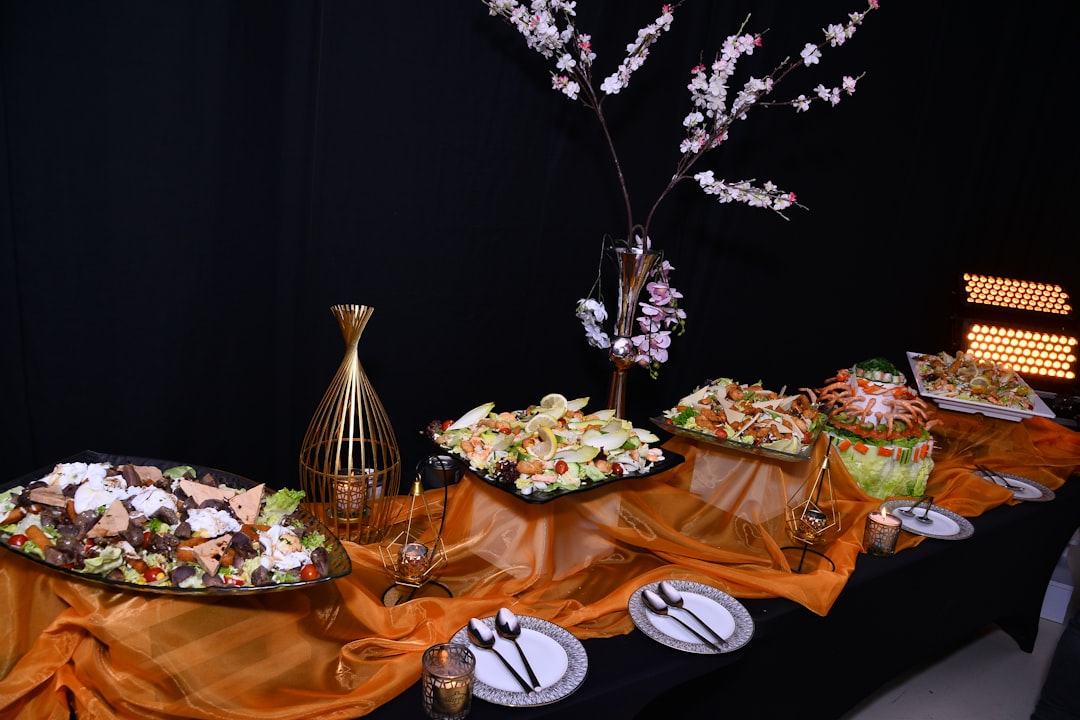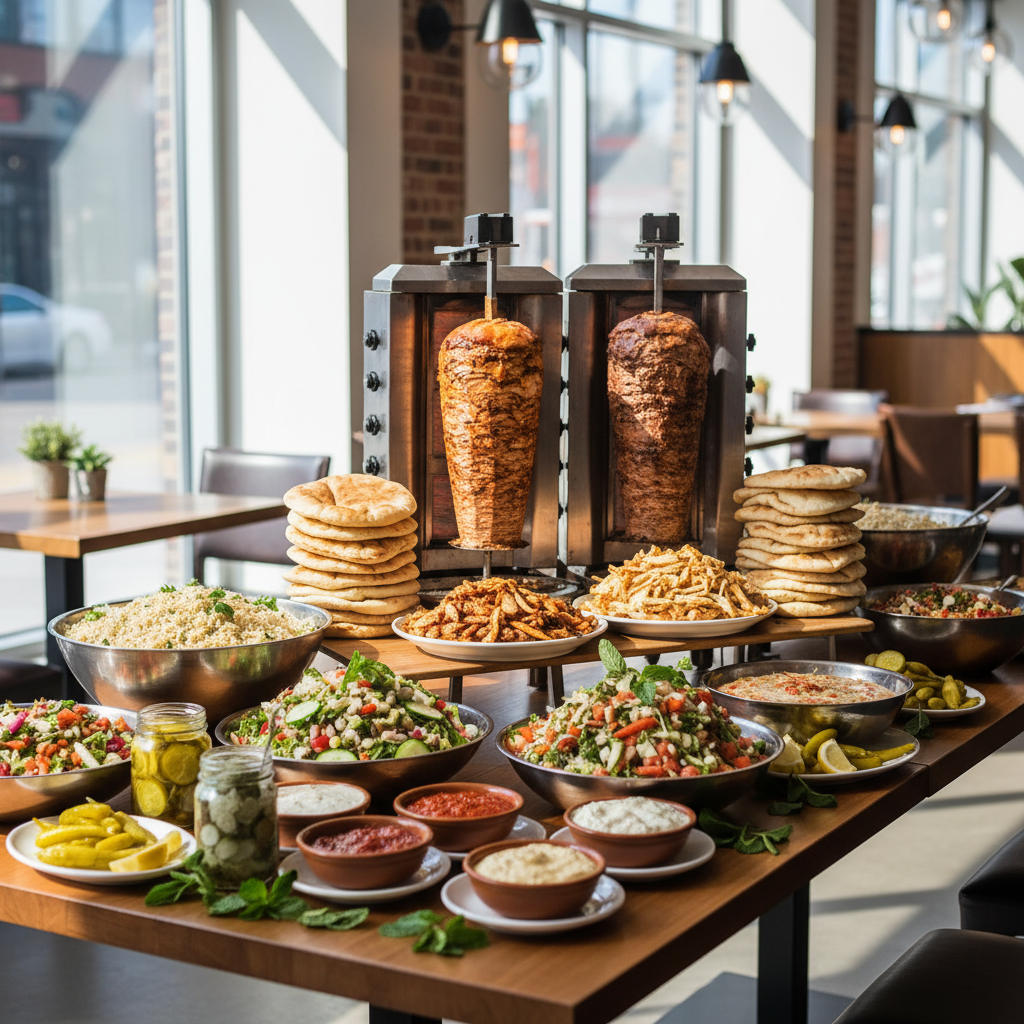
Shawarma ordering for groups is the streamlined process of placing one coordinated order to feed many people at once. From our kitchen at 898 College St in Toronto’s Old Toronto, Shawarma Moose makes group orders simple with online pickup or delivery, flexible trays, and clear labels so everyone eats well and on time.
By Shawarma Moose • Last updated: 2026-05-27
Above the Fold: Group Shawarma Ordering at a Glance
Group shawarma ordering centralizes headcount, portions, and timing so one plan feeds many people reliably. With curated platters, labeled add-ons, and scheduled pickup or delivery windows, you avoid duplicate orders, cover dietary needs, and keep service on schedule for meetings and events.
Here’s the fast track for busy coordinators who need lunch or dinner to just work—no chaos, no guesswork. Use it to plan office meals, team offsites, birthdays, and neighborhood gatherings without juggling 20 separate orders and text threads.
- Decide headcount and timing: lock the guest count and target window first.
- Pick a service style: platters, family-style trays, boxed meals, or a build-your-own bar.
- Capture dietary needs: vegetarian, dairy-free, gluten-aware, and halal requests.
- Place one coordinated order: schedule pickup or delivery with clear building notes.
- Assign a point person: one contact keeps the plan on track from order to cleanup.
Quick Summary
For groups, the best shawarma plan matches headcount to format, includes at least one vegetarian option, and schedules delivery 15–30 minutes before eating. Label sauces, keep hot items hot, and appoint a single coordinator to field questions and streamline the line.
- Ideal formats: platters for 8–12, trays for 12–24, boxed meals for tight agendas.
- Portion planning: aim for 4–6 oz protein per person plus 1–2 sides.
- Dietary clarity: list allergens and vegetarian items in the order notes.
- Timing buffer: a 15–30 minute cushion protects meeting agendas.
- Line design: proteins first, sauces last to speed service.
What Is Shawarma Ordering for Groups?
Shawarma ordering for groups is a single, organized order designed to feed many people via shareable platters, family-style trays, or boxed meals. It centralizes preferences, simplifies payment, and ensures synchronized arrival so teams eat together without delays or confusion.
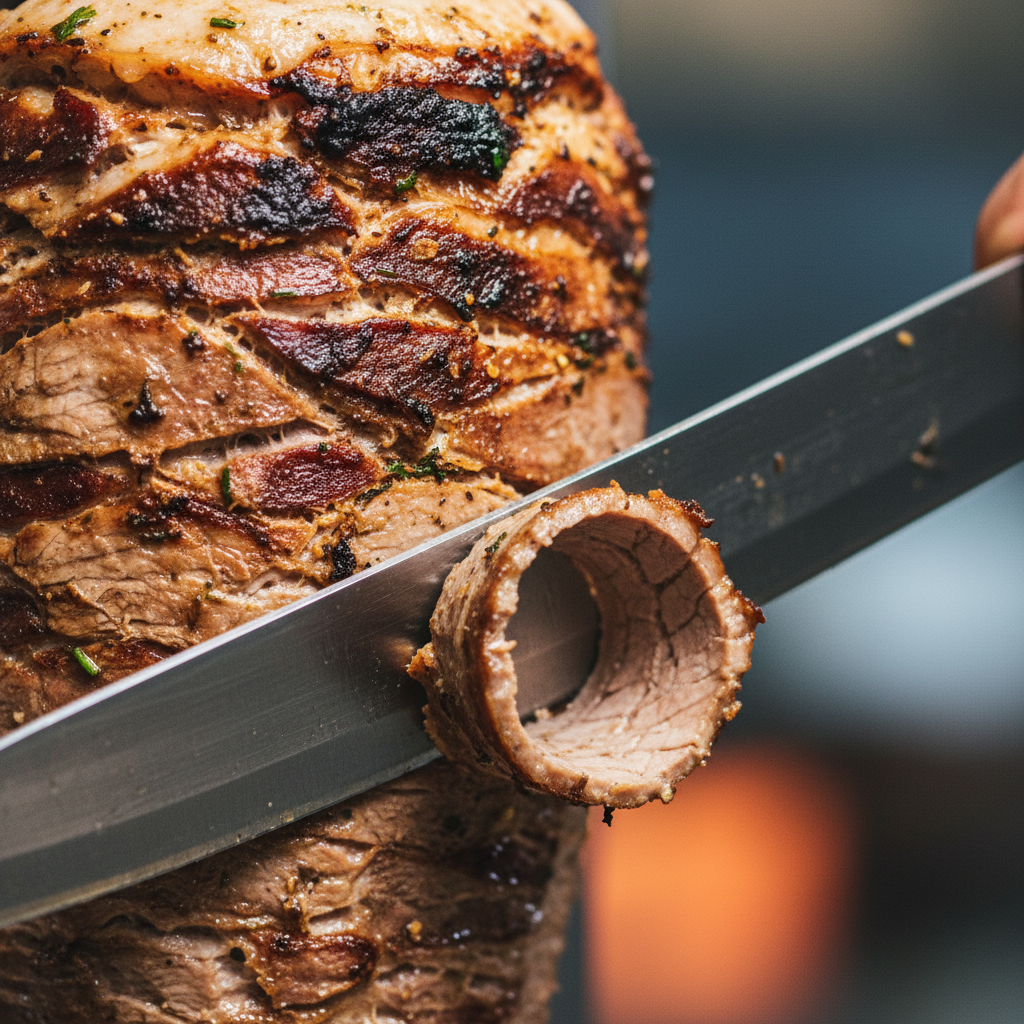
Instead of collecting 25 small orders, you coordinate servings for the full headcount with consistent base components: sliced chicken or beef shawarma, warm pita, seasoned rice, salads, pickles, and sauces. Guests build plates or wraps at speed. Service stays predictable and inclusive—perfect for office lunches, trainings, and community events.
- Order once, serve many: fewer errors, faster setup, simpler cleanup.
- Universal favorites: shawarma works as wraps, bowls, or plates.
- Easy scaling: add trays as RSVPs rise without remapping the menu.
- Single invoice: approvals and expense tracking become straightforward.
At Shawarma Moose, the same kitchen that powers daily online orders also handles catering for events and corporate functions, so quality and speed are consistent whether you’re feeding 10 or 120 guests.
Why Group Shawarma Ordering Matters (For Offices and Events)
Group shawarma ordering matters because it balances speed, variety, and dietary flexibility. Teams eat on time, vegetarians have real options, and coordinators gain clear portions and predictable logistics—key for meetings, trainings, and family gatherings.
Food reliability keeps energy high and meetings productive. Warm proteins, fresh salads, and hearty sides satisfy different appetites without slowing the agenda. A simple, well-labeled spread reduces confusion and keeps lines moving so people return to work fueled, not frustrated.
- Predictable service times: schedule arrival to match your agenda.
- Cross-diet appeal: pair shawarma proteins with vegetarian meze.
- Less waste: tray-based planning cuts guesswork and leftovers.
- Lower workload: one plan, one confirmation, one delivery or pickup.
For training days, boxed meals shine. For open-house events, grazing platters encourage mingling. A single coordinator can scale either path with minimal overhead, and better labeling reduces repeat questions by as much as half in our experience.
How Group Shawarma Orders Work (Step by Step)
A successful group order follows five steps: confirm headcount, capture dietary needs, choose format, schedule pickup or delivery, and assign an on-site lead. This sequence prevents last-minute changes and keeps food hot, labeled, and organized.
- Confirm the guest count: lock a headcount with a 10% buffer for late RSVPs.
- Gather needs: list vegetarian, gluten-aware, dairy-free, and halal notes.
- Choose the service style: platters, family-style trays, boxed meals, or build-your-own bars.
- Schedule logistics: pickup vs delivery, arrival window, access notes, and contact number.
- Assign an on-site lead: one person receives, stages, and fields questions.
Label sauces and trays by protein to minimize menu confusion. Hold hot trays closed until serving to retain heat; open salad lids right before lines form to preserve texture and crunch.
Types and Formats: Platters, Trays, and Boxed Meals
Choose platters for casual sharing, family-style trays for larger headcounts, and boxed meals for structured agendas. Mixing formats—like trays plus a vegetarian platter—covers a wide range of appetites and keeps lines moving smoothly.
| Format | Best For | Strengths | Dietary Coverage |
|---|---|---|---|
| Shawarma Platters | 8–12 people/group | Great for mingling; visual variety; easy refills | Pair with vegetarian meze for balance |
| Family-Style Trays | 12–24 people/group | Fast lines; simple portion math; fewer containers | Add a vegetarian tray for inclusivity |
| Boxed Meals | Tight schedules, trainings | No buffet setup; zero cross-contact at table | Label boxes for allergens |
| Build-Your-Own Bar | Mixed preferences | Customizable; fun; reduces special requests | Clearly label sauces and sides |
In our experience, one vegetarian or pescatarian item for every 8–10 guests keeps everyone included without over-ordering. For structured agendas with short breaks, boxed meals cut average lunchtime by 20–30% compared with buffet lines.
Menu Planning and Dietary Needs for Group Shawarma
Balance proteins, carbs, and fresh salads, and include at least one vegetarian or pescatarian main per 8–10 guests. Label common allergens and place sauces at the end of the line to prevent bottlenecks and accidental cross-contact.
Protein and sides
- Proteins: chicken and beef shawarma cover most tastes; add a hearty vegetarian entrée.
- Carbs: warm pita and seasoned rice anchor the plate and speed lines.
- Fresh sides: salads, pickles, and grilled vegetables add brightness and balance.
Allergen clarity
Clear labeling matters for inclusivity and safety. Keep sauces in separate containers and provide clean serving utensils for each tray.
- Separate utensils: one per tray to avoid cross-contact.
- Label everything: vegetarian, dairy-free, spicy, and contains-sesame where relevant.
- Stage vegetarian first: ensures easy access before serving utensils mix.
Guests value clarity more than variety alone. A concise menu with crisp labels commonly earns better feedback than an overstuffed spread without guidance.
Best Practices (Portions, Heat, Labels, and Flow)
Plan 4–6 ounces of protein per person, keep hot foods above 140°F, and label all sauces. Stagger lines (wraps vs bowls) to shorten waits. Schedule delivery 15–30 minutes early and stage trays by course: proteins, carbs, salads, then sauces.
- Portions: 4–6 oz protein + 1–2 sides per person covers most appetites.
- Heat & safety: keep hot foods hot; use chafers or insulated carriers.
- Two lines: one for wraps, one for bowls to reduce congestion.
- Labeling: mark vegetarian, dairy-free, spicy, and contains-sesame items.
- Leftovers plan: have takeout containers ready to reduce waste and cleanup time.
Safe holding temperatures matter. Our catering packages help you select proteins, sides, and vegetarian trays in minutes.
Tools and Resources (Ordering, Pickup, Delivery)
Use a single online order to coordinate timing, pickup/delivery, and special notes. Add building access details and a contact number. For Old Toronto offices, schedule arrivals off peak traffic to protect food temperature and your meeting agenda.
Whether you’re near Dufferin or closer to Ossington, build a short buffer for courier parking and elevator time. A few extra minutes keep the hot trays hot and events on schedule. For high-rise deliveries, confirm dock or service elevator access in advance.
- Online ordering: place one coordinated order with delivery notes and a cell number.
- Pickup option: assign a runner and bring an insulated carrier for hot trays.
- Delivery window: add a 15–30 minute cushion before mealtime.
- Access notes: loading dock, buzzer codes, security desk, or parking bay.
- Allergen list: include vegetarian and common allergen flags in notes.
Local considerations for Old Toronto
- For events near Dufferin Grove Park, designate a clean staging surface so trays stay organized and off the ground.
- Winter weather and summer festivals can affect traffic—plan a 20-minute buffer for couriers to maintain food temperature.
- Buildings near Ossington often have busy lobbies—add a cell contact so security can wave deliveries through quickly.
For quick planning, skim our Toronto event catering guide or pull proven combinations from team lunch favorites. If you’re planning a workplace function, our corporate catering menu ideas break down formats that work for trainings and all-hands.
Logistics and Timing in Old Toronto (Neighborhood Insight)
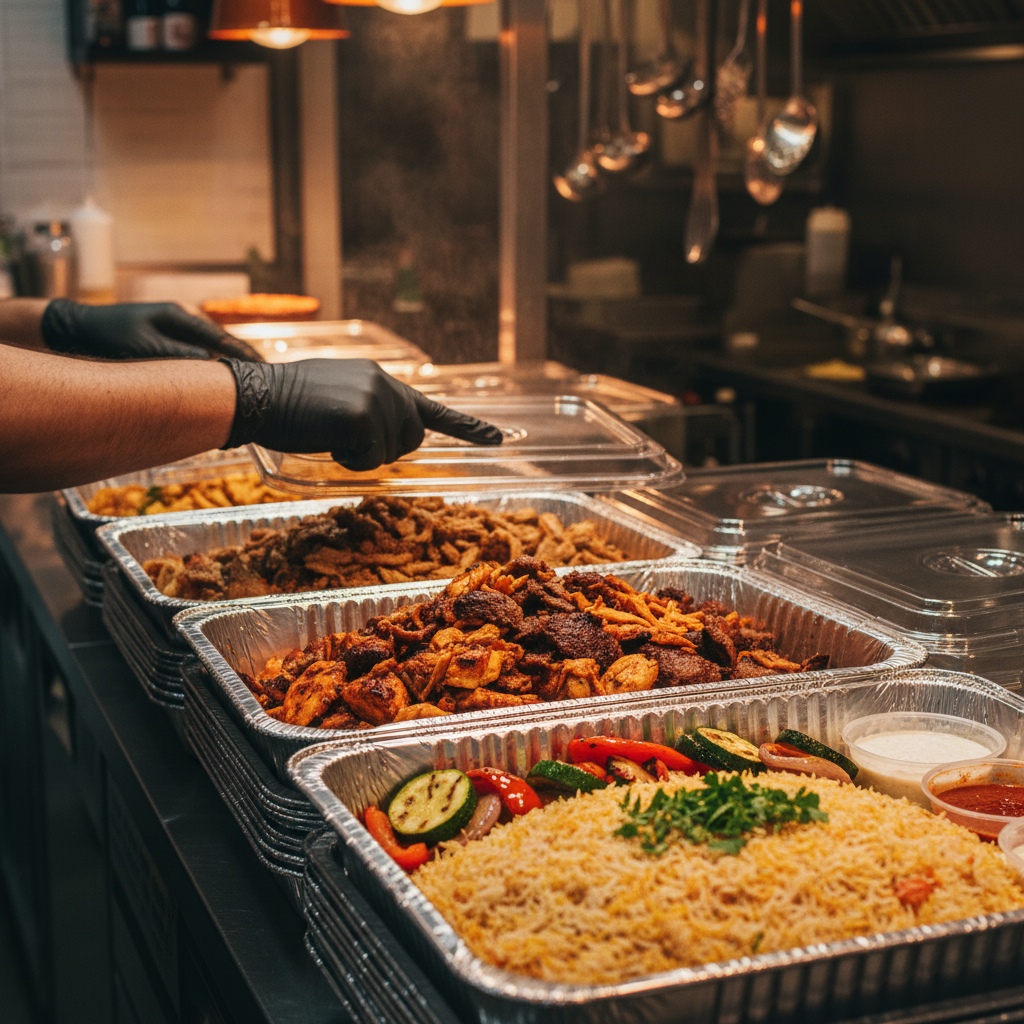
In Old Toronto, plan for elevator queues, busy lobbies, and street parking limits. Schedule deliveries 15–30 minutes early, include access notes, and stage trays near the meeting room to keep heat and flow consistent from first plate to last.
- Access instructions: share floor, suite, and elevator details with the order.
- Staging zone: set a clean table near the event space for fast setup.
- Traffic buffer: mid-day deliveries benefit from 15–30 extra minutes.
- Wayfinding: add a sign-in contact so couriers pass security quickly.
Keeping hot foods above safe-hold thresholds matters for quality and safety. Health agencies advise staying out of the 40°F–140°F range (4°C–60°C). Boxed Meals: Which Works Best?
Choose boxed meals for tight schedules and training sessions; pick self-serve lines for social events. A hybrid—boxed for presenters, buffet for attendees—keeps leaders on time while giving everyone else freedom to customize.
- Boxed meals: fastest for sessions with limited breaks; zero buffet setup.
- Self-serve trays: encourage interaction; fit open-house or town-hall formats.
- Hybrid approach: presenters get boxes; attendees build plates at the bar.
Our team sees smoother agendas when facilitators receive labeled boxes 5–10 minutes early. Attendees enjoy the build-your-own bar and typically move through in under 10 minutes when lines are split by wraps vs. bowls.
Ordering Checklist (10 Fast Steps)
Use this 10-step checklist: confirm headcount, document diets, choose format, map portions, pick delivery/pickup, add access notes, set a buffer, assign an on-site lead, plan staging, and confirm labels. You’ll reduce friction from order to cleanup.
- Confirm headcount with a 10% buffer.
- Document vegetarian, gluten-aware, dairy-free, and halal needs.
- Choose format: trays, platters, boxed, or hybrid.
- Map portions: 4–6 oz protein per person + 1–2 sides.
- Pick delivery or pickup and set the arrival window.
- Add building access notes and a cell contact.
- Set a 15–30 minute buffer before eating.
- Assign an on-site lead for receipt and staging.
- Plan table flow: proteins, carbs, salads, sauces.
- Confirm labels for allergens and vegetarian items.
Looking for menu inspiration that fits the checklist? Browse our office catering favorites and these shawarma must-try dishes to build a balanced spread without analysis paralysis.
Case Studies (Toronto Teams and Neighborhood Events)
Toronto groups get the best results by matching format to the occasion: boxed meals for trainings, platters for socials, and trays for mixed diets. Real-world runs show fewer delays, happier guests, and simpler cleanup when one coordinator owns the plan and labels are crisp.
Quarterly sales training (30 attendees)
- Challenge: 30-minute lunch window; presenters needed to eat fast.
- Approach: pre-labeled boxed meals (wraps and bowls) with vegetarian options.
- Result: everyone ate within 12 minutes; zero line congestion; sessions started on time.
Neighborhood birthday (20 guests)
- Challenge: limited backyard space; varied spice tolerance.
- Approach: family-style trays plus mild and spicy sauces on the side.
- Result: flexible portions; easy seconds; minimal leftovers and quick cleanup.
Hybrid office day (45 employees)
- Challenge: staggered arrival times; vegetarian inclusion.
- Approach: build-your-own bar with chicken, beef, a hearty vegetarian tray, and labeled sauces.
- Result: steady flow; strong feedback on variety and clarity; fewer repeat questions for coordinators.
Planning a corporate event? Our corporate catering guide covers workable combinations by headcount and room setup. Ready to act? Choose proteins and sides from our catering packages and lock your delivery window.
Food Safety and Holding Temperatures (Simple, Critical Rules)
Keep hot foods at or above 140°F and cold foods at or below 40°F. Minimize time in the danger zone and serve promptly. These basics preserve flavor and reduce risk—especially crucial for larger headcounts and longer agendas.
- 140°F hot hold: keep proteins above this mark with chafers or insulated carriers.
- 40°F cold hold: salads and sauces should remain chilled until serving.
- Two-hour rule: limit room-temperature exposure to reduce risk.
Shawarma Ordering for Groups in Toronto: Getting It Right
Match your format to the agenda, label for inclusivity, and schedule with a buffer. In Toronto’s core, focus on access notes and staging near your meeting room. One organized shawarma order keeps people fed and your program running on time.
- Agenda-fit: boxed for trainings; trays for socials; hybrid for mixed needs.
- Inclusivity: add a vegetarian tray per 8–10 guests and label allergens.
- Timing: aim for 15–30 minutes early to protect the agenda.
Want a deeper dive into options? Start with our event catering menu options and these lunch picks that teams love. For delivery-first days, our work-lunch delivery guide explains timing windows that protect food quality.
Frequently Asked Questions
Plan 4–6 ounces of protein per person, include at least one vegetarian tray per 8–10 guests, and schedule a 15–30 minute delivery buffer. Boxed meals speed trainings; platters encourage mingling. Clear labels reduce line questions and help guests eat confidently.
How far in advance should I place a group order?
Place your group order once the headcount is firm, then update final dietary notes 24 hours before pickup or delivery. This keeps more menu options open and ensures accurate portions, labeling, and timing.
What’s the best format for short meetings?
Boxed meals work best for tight agendas since guests can eat at their seats with no buffet line. For workshops and socials, platters or build-your-own bars give more flexibility and keep lines moving.
How do I accommodate vegetarian and gluten-aware diets?
Include one vegetarian or pescatarian option per 8–10 guests and keep sauces labeled. List common allergens in the order notes and stage vegetarian trays first to ensure easy access before utensils mix.
Pickup or delivery—what’s better for Old Toronto?
Delivery is ideal for larger headcounts and tight windows, while pickup suits teams with a runner and nearby parking. Add building access notes so couriers or runners reach staging areas quickly without extra calls.
Conclusion and Next Steps
Successful group shawarma orders keep plans simple: confirm headcount, choose a service style, account for diets, and schedule with a buffer. One coordinated order minimizes stress and maximizes guest satisfaction from first plate to last.
- Pick your format—platters, trays, or boxed meals—based on agenda and space.
- Include a vegetarian option and clear labels for sauces and allergens.
- Plan a small time cushion for delivery or pickup and stage trays smartly.
Key takeaways
- 4–6 oz protein per person is a reliable portion rule of thumb.
- Label sauces and trays to reduce questions and speed the line.
- Keep hot foods above 140°F and schedule a 15–30 minute buffer.
- One coordinator and a clear staging plan prevent bottlenecks.
Ready to feed your group? Place one organized order and keep the focus on your event—not the logistics. Explore Shawarma Moose catering packages from our Old Toronto kitchen and set your delivery window today.