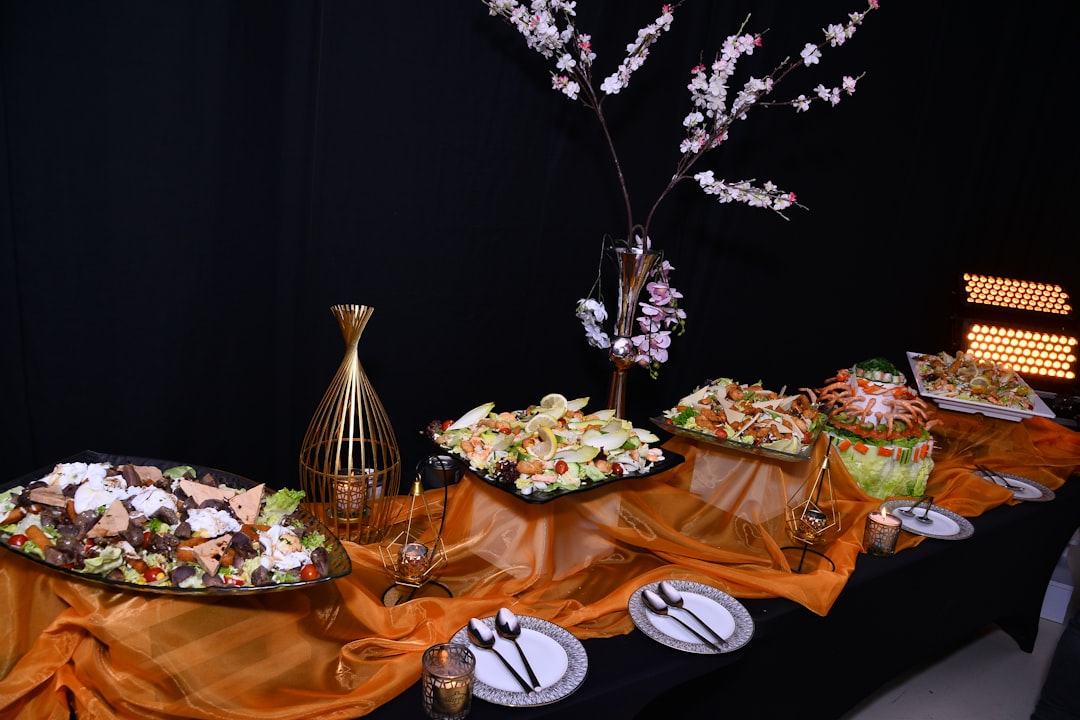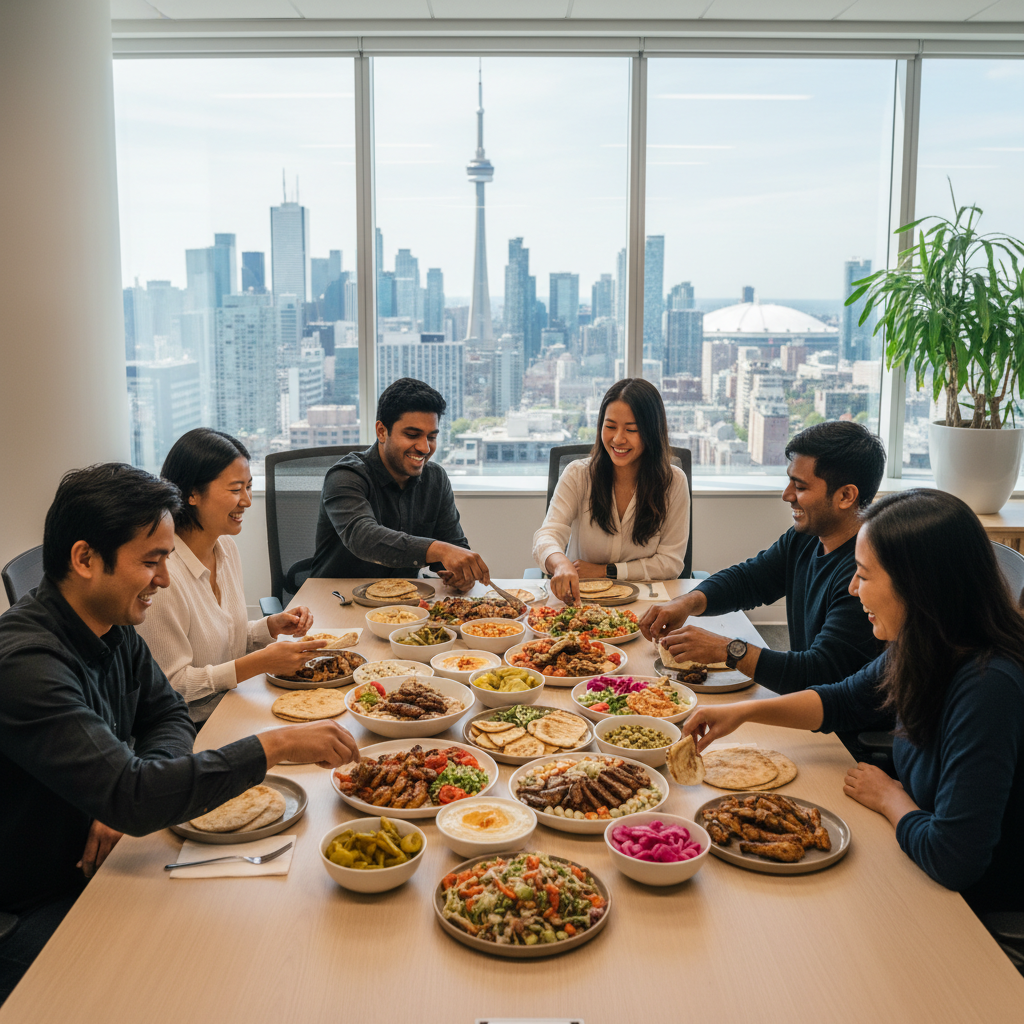
Shawarma delivery for work lunch is the coordinated ordering and drop-off of fresh, customizable Middle Eastern meals to your office. It keeps teams fueled without leaving the building. From our Old Toronto kitchen at 898 College St, Shawarma Moose handles timing, portions, and dietary needs so your meeting starts on time and stays on track.
By Shawarma Moose • Last updated: 2026-05-20
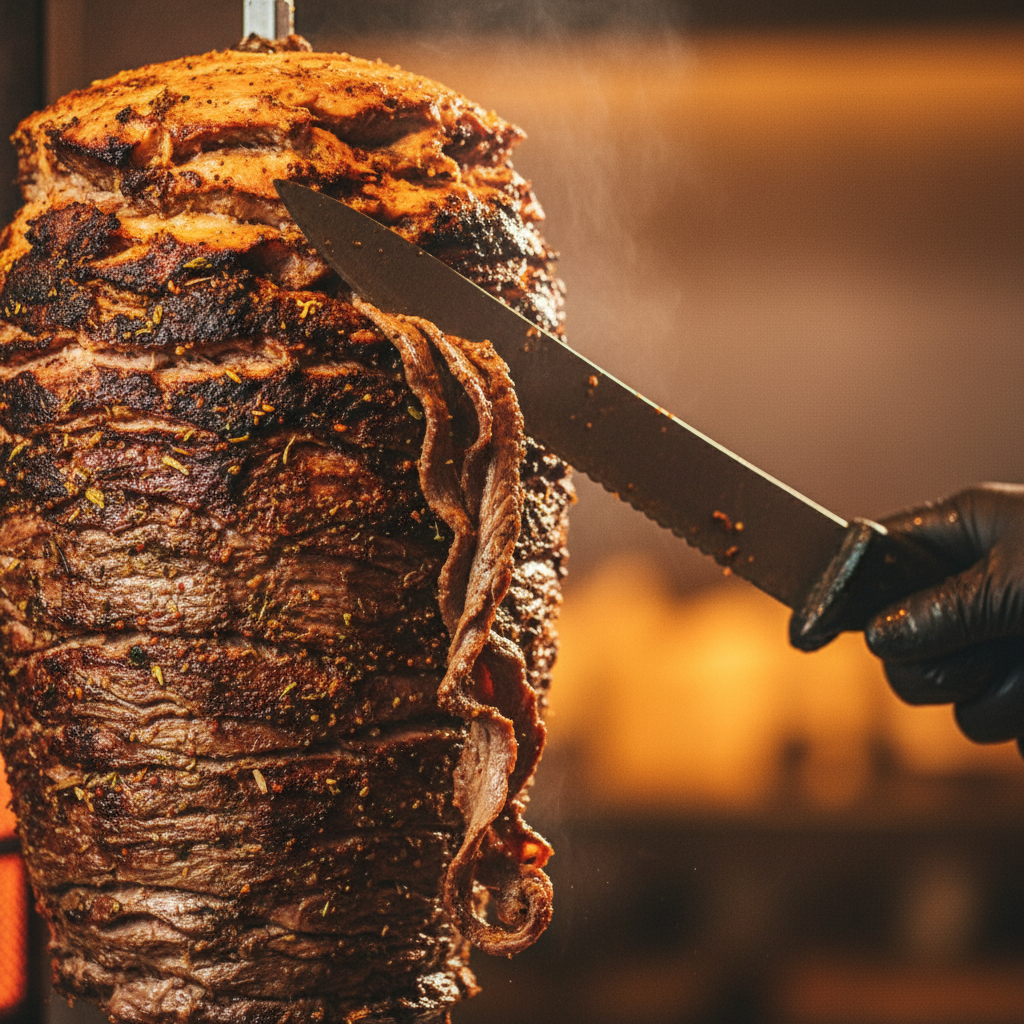
At a Glance
For seamless office lunches, choose a reliable local provider, pre-select build-your-own or individual meals, confirm headcount and dietary needs, and schedule delivery 15–30 minutes before your meeting. Shawarma Moose streamlines details from 898 College St so teams eat well and focus on the agenda.
- Who this helps: Office admins, team leads, and event planners coordinating weekday lunches.
- What you’ll get: A complete guide to portions, timing, dietary choices, and handoff logistics.
- Why Shawarma Moose: Authentic Turkish flavors, fast online ordering, delivery, pickup, and corporate catering.
- Plan options: Individual bowls/wraps, platters, or a build-your-own shawarma bar for groups.
- Location anchor: Made in Old Toronto for fast drop-offs across the metro.
Table of Contents
Use this Table of Contents to jump to what you need now: definitions, why it matters, the ordering process, menu formats, best practices, tools, examples, and FAQs. Each section stands alone, so you can scan quickly and share snippets with your team.
- What Is Shawarma Delivery for Work Lunch?
- Why Work-Lunch Shawarma Matters
- How the Ordering and Delivery Flow Works
- Formats and Approaches (Individual vs. Platters vs. Build-Your-Own)
- Best Practices for On-Time, On-Point Lunches
- Tools and Resources You Can Use Today
- Mini Case Studies from Toronto Teams
- FAQ: Shawarma Delivery for Work Lunch
- Key Takeaways
- Conclusion and Next Steps
What Is Shawarma Delivery for Work Lunch?
Work-lunch shawarma delivery is a pre-planned, office-friendly meal drop-off that brings hot, customizable Middle Eastern dishes straight to your meeting room. It balances taste and dietary flexibility, letting teams choose wraps, bowls, or platters without leaving the office or derailing the agenda.
In simple terms, you set a headcount, pick a format, and schedule a drop-off. We prepare, pack, and deliver from 898 College St so your team can plate up in minutes. That’s the core of shawarma delivery for work lunch: consistent portions, simple logistics, authentic flavor.
Core elements
- Menu clarity: Wraps, bowls, and platters with chicken, beef, or vegetarian options.
- Dietary flexibility: Halal-focused menu with gluten-friendly and dairy-conscious configurations.
- Predictable timing: Delivery aimed 15–30 minutes pre-meeting for easy setup.
- Scalable portions: From 8-person stand-ups to 60-person all-hands using platters or build-your-own bars.
For recurring meetings, many Toronto managers template their orders. You might rotate proteins week to week and switch between individual bowls and a build-your-own spread to keep lunches fresh and engaging.
Why Work-Lunch Shawarma Matters
Great office lunches improve focus, shorten breaks, and boost morale. Shawarma hits the sweet spot: bold flavor, handheld or bowl-friendly formats, and easy customization for varied diets—ideal for back-to-back meetings and hybrid schedules in Old Toronto and the broader Toronto metro.
Food affects meetings. When lunch arrives hot and on time, people return from breaks faster and stay engaged. Protein-rich shawarma with fresh salads and grains is filling yet balanced, so teams avoid the mid-afternoon slump while still enjoying a meal worth talking about.
Benefits teams notice
- Time efficiency: No lineups or wandering to pick food; delivery meets your agenda.
- Inclusive choices: Halal, vegetarian, and gluten-conscious options reduce friction.
- Morale lift: Flavorful, authentic Turkish-inspired meals turn “just lunch” into a bright spot.
- Clean handoff: Labeled items and organized platters reduce confusion and cleanup.
We’ve found that when admins reliably nail lunch, stakeholders notice. It’s a small operational win that quietly supports culture and productivity.
How the Ordering and Delivery Flow Works
Confirm headcount and dietary needs, choose a format (individual meals, platters, or build-your-own), schedule delivery 15–30 minutes early, and share serving notes. Shawarma Moose manages prep, packing, and drop-off so you can focus on running the meeting.
Step-by-step ordering
- Gather headcount and needs: Confirm who’s attending and note any dietary restrictions.
- Pick your format: Decide between individual bowls/wraps, platters, or a build-your-own bar.
- Lock delivery time: Target 15–30 minutes pre-start for setup and late arrivals.
- Place order online: Use our catering ordering page to finalize details.
- Prep the room: Clear a serving table; add napkins, utensils, and waste/compost bins.
- Receive and serve: Do a quick label check; place proteins, toppings, and sauces in a logical flow.
Timing cues that work
- Early window: A short buffer prevents a chilly start if elevators or reception run slow.
- Staging: Put wraps or proteins first, then toppings, then sauces—keeps the line moving.
- Leftovers plan: Keep compostable containers ready so latecomers aren’t left out.
Administrative teams often save a simple checklist in their calendar invite. That way, whoever runs point can repeat the lunch flawlessly next time without reinventing the wheel.
Formats and Approaches (Individual vs. Platters vs. Build-Your-Own)
Choose individual meals for zero-setup convenience, platters for fast service to midsize groups, or a build-your-own shawarma bar for large, mixed-diet teams. Each format balances speed, choice, and cleanup differently—pick based on group size, meeting style, and dietary complexity.
Individual wraps and bowls
- Best for: Focused meetings, training sessions, client calls—minimal setup, easy distribution.
- Pros: Clearly labeled, simple to track dietary needs, least mess.
- Consider: Fewer shared sides; order a few extra for last-minute adds.
- Popular picks: Beef shawarma wrap, chicken shawarma wrap, and bowls built over rice and salad.
Platters
- Best for: Team lunches where speed matters and folks will plate themselves quickly.
- Pros: Efficient for serving; encourages variety across proteins and sides.
- Consider: Add extra tongs and spoons; label proteins clearly.
- Popular pick: Beef shawarma plate with fresh salads and sauces.
Build-your-own bar
- Best for: Larger groups with mixed dietary needs (halal, vegetarian, gluten-conscious).
- Pros: Maximum customization; energizing experience for culture days or all-hands.
- Consider: Reserve more table space; place proteins and warm grains near the start of the line.
| Format | Setup Time | Ideal Group Size | Dietary Control | Cleanup |
|---|---|---|---|---|
| Individual Meals | Minimal | Small to medium | High | Low |
| Platters | Short | Medium | Medium | Medium |
| Build-Your-Own | Moderate | Medium to large | Highest | Medium |
Best Practices for On-Time, On-Point Lunches
Lock the headcount, order a touch extra, label clearly, and aim for a 15–30 minute delivery buffer. Put proteins first, toppings second, and sauces last. Keep compostable containers and napkins nearby. These simple moves turn a good lunch into a frictionless one.
Portioning that works
- Default to balance: Pair proteins with salad and grains so meals are filling without being heavy.
- Add a veg anchor: Include a clear vegetarian or plant-forward option in every order.
- Extras matter: Add a couple of extra wraps or bowls for late invitees.
Labeling and flow
- Color-code by protein: Place chicken, beef, and vegetarian labels in separate clusters.
- Traffic design: One line, one direction; cutlery at the end to avoid bottlenecks.
- Hydration cue: Stage drinks opposite the food line so it doesn’t clog.
Food safety and freshness
- Warm first: Place hot items closest to the start to minimize cooling while people serve.
- Chill sides: Keep cold salads away from direct sunlight or projector heat.
- Quick rotation: Invite people to start eating right away—less waiting, better texture.
In our experience supporting Toronto offices, these small steps eliminate avoidable slowdowns and help everyone get back to the discussion quickly.
Tools and Resources You Can Use Today
Use simple, repeatable tools: an order template, a calendar checklist, labeled platters, and a preferred vendor page. With Shawarma Moose, online catering and pickup options are one click away, and our product pages help you pre-visualize portions and proteins.
- Order catering online: Lock in time, format, and notes via our Toronto catering page.
- Explore proteins: Skim our chicken on rice and beef plate to plan portions.
- Consider pickup: Some teams prefer control and speed—see our pickup guide.
- Catering playbook: For larger events, review our company events overview.
- Variety inspiration: Ideas that keep lunches fresh: lunch catering picks and Turkish cuisine guide.
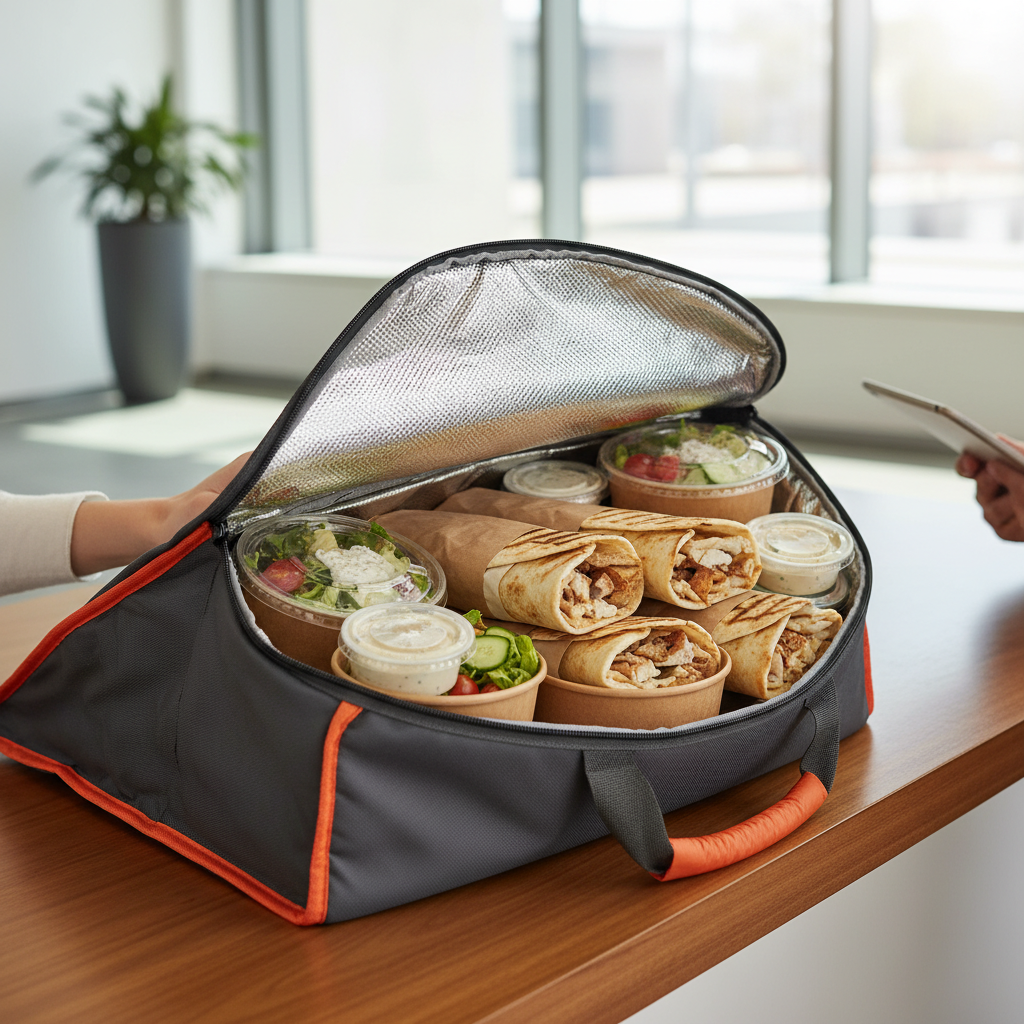
Local considerations for Old Toronto
- Transit timing: If your office is near Ossington, add a few minutes of buffer for street traffic during lunch rush.
- Seasonal shifts: Winter wind and summer heat affect travel time and food temperature—schedule earlier in extreme weather.
- Space planning: Offices by Dufferin Grove Park often host outdoor lunches; request extra serving tongs and lids for a breezy setup.
Mini Case Studies from Toronto Teams
Toronto teams use three repeatable patterns: zero-setup individual meals for training days, platter stations for sprint reviews, and build-your-own bars for culture events. Each format scales cleanly and keeps dietary accommodations simple to track.
Training day: Individual bowls
- Scenario: A software team hosts a 2-hour lunch-and-learn with staggered arrivals.
- Approach: Pre-labeled bowls (chicken, beef, vegetarian) plus a few wraps for latecomers.
- Outcome: People eat when convenient; no serving line, no missed content.
Sprint review: Platters
- Scenario: A product group debriefs across squads with a hard 60-minute cap.
- Approach: One long table, proteins and grains at the start, salads and sauces at the end.
- Outcome: Fast service, easy seconds, minimal leftovers.
Culture day: Build-your-own
- Scenario: A hybrid all-hands celebrates a release with onsite and remote attendees.
- Approach: A full shawarma bar and a standing side table for drinks to keep flow moving.
- Outcome: High engagement, everyone customizes, smooth transitions to afternoon sessions.
Across these examples, the constant is structure. Clear labeling, logical flow, and a small time buffer prevent hiccups.
Menu Planning Ideas that Keep Everyone Happy
Anchor the menu with two proteins, a vegetarian base, and two salads. Add one signature sauce plus a mild option. This simple pattern fits most groups and allows quick swaps when headcount or preferences shift.
Protein rotation
- Week A: Chicken shawarma + beef shawarma
- Week B: Chicken shawarma + falafel or roasted vegetables
- Week C: Beef shawarma + falafel
Base and sides
- Bases: Turmeric rice, couscous, or salad greens
- Salads: Shepherd’s salad and cabbage slaw for crunch and color
- Breads: Warm pitas or wraps for handheld options
Sauces
- Signature: Garlic sauce for bold flavor
- Mild: Tahini for creamy balance
- Heat: A chili or harissa-style kick for those who want it
Keep a standing note in your calendar with your team’s no-go items and favorites. Small touches—like always including a mild sauce—make lunches feel considered and inclusive.
Delivery vs. Pickup vs. Full-Service Catering
Delivery maximizes convenience, pickup offers control and speed, and full-service catering scales for bigger or more formal events. Choose based on meeting length, group size, and whether you need setup support or a simple handoff.
| Option | Best When | Speed | Setup Support | Good To Know |
|---|---|---|---|---|
| Delivery | Recurring meetings; minimal admin bandwidth | High | Drop-off and quick staging | Build a template order you can reuse |
| Pickup | Close to 898 College St with easy parking | Very high | Self-serve | Coordinate car and hallway cart if needed; see our pickup tips |
| Full-Service Catering | Large or formal events; multiple dietary needs | High | Helpful for setup and labeling | Book earlier; reference our catering overview |
How to Avoid Common Pitfalls
Over-communicate the headcount, confirm dietary notes, and assign a point person for delivery day. Label everything, stage the serving line, and schedule a short buffer. These steps prevent late starts, mix-ups, and long lines.
- Missing names on meals: Use a quick attendee list and mark vegetarian or special requests clearly.
- Too little table space: Reserve a second table for sauces and drinks.
- Cold food risk: Plan the drop-off slightly early and invite people to serve right away.
- Traffic jam: Place cutlery and napkins after the food line to keep people moving.
Shawarma delivery for work lunch succeeds when small logistics are handled up front. A two-minute pre-brief with your helper is often all it takes.
Dietary Accommodations Without the Headache
Plan for halal-first proteins, a vegetarian base, and gluten-conscious options. Label clearly and separate serving utensils. This simple framework covers most dietary needs without turning lunch into a guessing game.
- Halal emphasis: Our menu is built around halal-friendly proteins and prep.
- Vegetarian anchor: Roasted vegetables, salads, grains, and legumes work for many diets.
- Gluten-conscious: Bowls over rice or salad with naturally gluten-friendly toppings.
- Dairy-aware: Keep cheese on a side platter so people can opt in or out.
When you place the order, list special notes by first name. On arrival, stage those items first so the right people can grab them quickly.
Room Setup Checklist (5-Minute Reset)
Clear a serving table, line up proteins-to-sauces, and position cutlery at the end. Add napkins and compostable containers nearby. This five-minute reset keeps lines tidy and helps your team dive straight into the meal.
- Serving table cleared and wiped
- Proteins nearest the start, grains next, salads and sauces last
- Separate tongs/spoons for each item
- Cutlery and napkins at the end; waste bins within reach
- Labels visible: chicken, beef, vegetarian, sauces
Most offices can reuse this exact setup weekly—print it once and tape it inside a cabinet door in your lunch room.
Plan Your Next Team Lunch with Shawarma Moose
Ready to simplify lunch? Use our catering page to lock your time and format, or switch to pickup if that suits your schedule. We prepare and stage everything so your team can eat well and get back to work.
Quick links: Start an order on the catering page or explore popular lunch items.
FAQ: Shawarma Delivery for Work Lunch
These quick answers cover the most common planning questions—timing, formats, dietary notes, and how to make recurring orders effortless. Share them with your admin team to standardize great lunches across meetings.
How far in advance should I schedule delivery?
Schedule at least a day ahead for larger groups, and pick a drop-off 15–30 minutes before your meeting. That window gives you time to stage the line, handle late arrivals, and keep food at the right temperature.
What’s the best format for mixed dietary needs?
A build-your-own shawarma bar is the most flexible. Pair halal proteins with a vegetarian base and gluten-conscious sides. Label clearly and keep cheese on the side so guests can opt in or out.
Can I repeat the same order each week?
Yes. Create a template and rotate proteins or sides to keep things fresh. Many offices reuse a core order and only change headcount and delivery time.
Is pickup faster than delivery for nearby offices?
If you’re close to 898 College St and have a car available, pickup can be very fast. It gives you full control of timing and room setup. For most teams, delivery remains the simplest option.
Key Takeaways
Standardize your lunch playbook: confirm headcount, pick the right format, and schedule a short buffer. Use clear labels, a logical serving line, and a vegetarian anchor. With Shawarma Moose, ordering and pickup options are ready whenever you are.
- Align format to group size and meeting style.
- Lock delivery 15–30 minutes early for setup.
- Label by protein and separate utensils.
- Rotate proteins to keep lunches interesting.
- Consider pickup for maximum timing control.
Conclusion and Next Steps
A great work-lunch plan is simple, repeatable, and flexible. Choose a format, schedule a small buffer, and label everything. Shawarma Moose handles the rest from our Old Toronto kitchen so your team can eat well and stay focused.
Shawarma delivery for work lunch shouldn’t be complicated. Save your template, add your calendar checklist, and pick delivery or pickup depending on the day’s agenda. We’ll make the food memorable; you make the meeting matter.