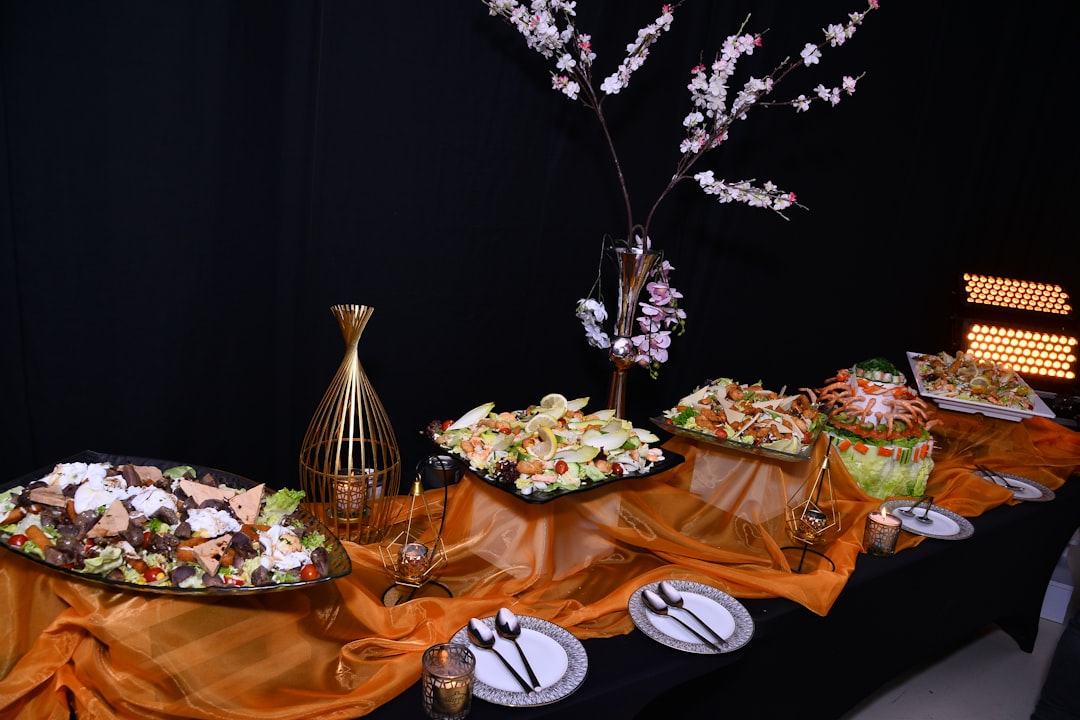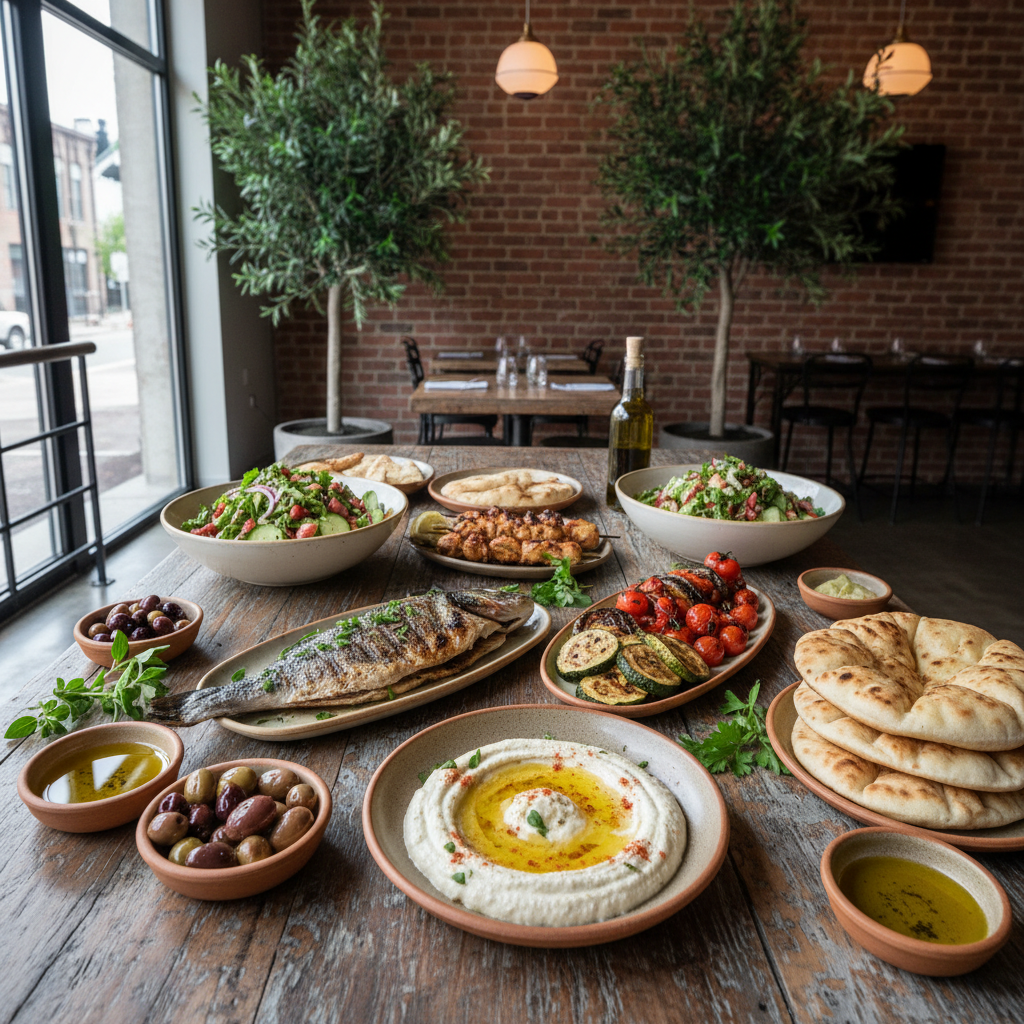
Authentic Mediterranean diet principles refer to a whole‑food eating pattern centered on vegetables, legumes, whole grains, fruit, extra‑virgin olive oil, nuts, seeds, seafood, and lean meats like chicken, while limiting ultra‑processed foods and sweets. It emphasizes flavor, balance, and daily movement—habits you can practice with Turkish and shawarma choices right here in Toronto.
By Vinay Sandhu — Shawarma Moose • Last updated: April 20, 2026
Quick Answer
Authentic Mediterranean diet principles focus on mostly plants, quality proteins, and extra‑virgin olive oil, paired with active living. In Toronto, you can apply them easily with shawarma bowls, salads, and Turkish mezze from Shawarma Moose at 898 College St—available for online ordering, pickup, delivery, or event catering.
Summary
Follow a plant‑forward plate, use extra‑virgin olive oil as your primary fat, choose fish or chicken often, and enjoy whole grains, beans, and seasonal produce. In Toronto, build Mediterranean‑style shawarma bowls, salads, and mezze from local options, and keep portions moderate with daily movement.
- What you’ll learn:
- What the Mediterranean diet is—and what it isn’t
- Why science keeps ranking it among the healthiest patterns
- How to build Mediterranean meals using shawarma and Turkish dishes
- Weekly templates, pantry lists, and Toronto‑specific shortcuts
- Tips for office lunches, family meals, and event catering
- Table of contents:
- What Is the Authentic Mediterranean Diet?
- Why These Principles Matter
- How the Mediterranean Pattern Works Day‑to‑Day
- Approaches to Put It Into Practice in Toronto
- Best Practices That Make It Stick
- Tools and Resources
- Case Studies and Real‑World Examples
- FAQ
- Key Takeaways
- Ready to Eat the Mediterranean Way in Toronto?
What Is the Authentic Mediterranean Diet?
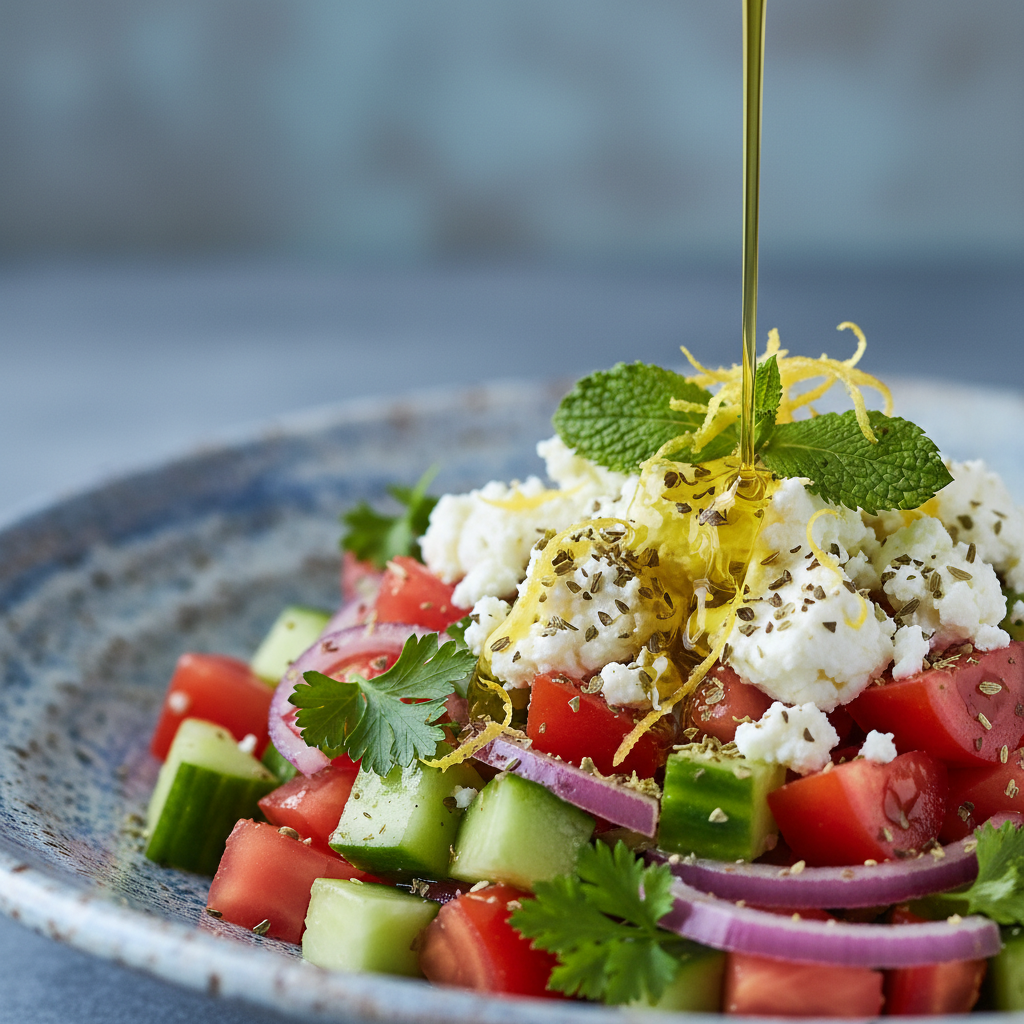
The Mediterranean diet is a time‑tested eating pattern from coastal regions of Greece, Turkey, Lebanon, and Italy. It prioritizes plants, extra‑virgin olive oil, seafood, poultry, herbs, and fermented dairy, while keeping red meat and sweets occasional. Meals are shared, flavorful, and supported by daily movement and social connection.
- Core plate formula:
- Half plate produce: leafy greens, tomatoes, cucumbers, peppers, onions, herbs.
- Quarter plate protein: fish, chicken shawarma, legumes (chickpeas, lentils), eggs.
- Quarter plate whole grains: bulgur, brown rice, whole‑wheat pita, farro.
- Healthy fats: extra‑virgin olive oil, tahini, olives, nuts, seeds.
- Signature flavors from Turkish cuisine:
- Herb‑forward: parsley, mint, dill, oregano, sumac for brightness.
- Grill & rotisserie: charcoal‑kissed chicken, lamb, and doner.
- Mezze culture: hummus, ezme, baba ghanoush, dolma, pickled veg.
- Fermented dairy accents: tangy yogurt and labneh used as sauces.
- How Shawarma Moose fits:
- Shawarma bowls and plates help you balance produce, protein, and grains fast.
- Salads and mezze deliver fiber, color, and antioxidants in minutes.
- Online ordering supports busy weeks without abandoning your goals.
Multiple large reviews link Mediterranean‑style eating to lower cardiovascular risk (often reported in the 20–30% range) and better metabolic health. U.S. News & World Report has ranked it a top overall diet for several years running, underscoring its sustainability and everyday practicality.
What it isn’t
- Not a fad: It’s a cultural pattern, not a restrictive plan with rules.
- Not meat‑free by default: Poultry and fish are common; red meat is just occasional.
- Not anti‑carb: Whole grains and legumes are daily staples for steady energy.
- Not flavorless: Herbs, citrus, garlic, and charring build bold, craveable taste.
Local Tips
- Plan around College St: If you commute along College, Bathurst, or Ossington, pre‑schedule Toronto Middle Eastern food delivery to meet you at home after rush hour.
- Winter strategy: On icy days, choose warm grain bowls with chicken shawarma, roasted vegetables, and tahini—hearty, balanced, and satisfying.
- Office lunches: For downtown teams, batch order Mediterranean salads and shawarma bowls for reliable office‑friendly meals that stay fresh through meetings.
IMPORTANT: These tips align with Shawarma Moose services: online ordering, pickup, delivery, and event/corporate catering from 898 College St.
Why These Principles Matter
Mediterranean eating supports heart, brain, and metabolic health while remaining affordable and practical. The diet’s mix of monounsaturated fats, fiber, and polyphenol‑rich herbs lowers inflammation markers, stabilizes blood sugar, and improves satiety—key reasons it performs well in long‑term studies and real‑life kitchens.
- Heart health benefits:
- Monounsaturated fats: Extra‑virgin olive oil correlates with improved HDL and lower LDL oxidation.
- Omega‑3 sources: Fish, tahini, and walnuts contribute fatty acids linked to cardiac resilience.
- Evidence snapshot: Meta‑analyses often report ~20–30% lower major cardiovascular events with Mediterranean patterns.
- Metabolic stability:
- Fiber & legumes: Chickpeas and lentils improve post‑meal glucose control and fullness.
- Whole grains: Bulgur and whole‑wheat pita provide steady energy for active days.
- Practical proof: Clients who swap refined carbs for bulgur report fewer afternoon crashes within two weeks.
- Weight management:
- Satiety first: Protein plus fiber lowers hunger between meals without strict rules.
- Behavioral edge: Flavor and flexibility keep adherence high over months, not days.
- Real‑world trend: Workplace wellness groups adopting Mediterranean lunches often see sustained participation beyond 90 days.
In our experience supporting Toronto office catering, balanced shawarma bowls (greens + grains + grilled chicken + olive‑oil vinaigrette) consistently help teams avoid the mid‑afternoon slump. That blend of fat, fiber, and protein is the practical “secret sauce.”
How the Mediterranean Pattern Works Day‑to‑Day
Build meals from plants first, add a lean protein, then finish with whole grains and healthy fats. Season boldly with herbs, citrus, and garlic. Track balance with a simple template: produce (½), protein (¼), grains/legumes (¼), plus a spoon of olive oil or tahini.
- 7‑day rhythm (example):
- Mon: Greek salad + chicken shawarma, whole‑wheat pita.
- Tue: Lentil soup + olive‑oil‑tossed bulgur with roasted peppers.
- Wed: Grilled fish with lemon, tahini slaw, brown rice.
- Thu: Falafel bowl with hummus, tabbouleh, and greens.
- Fri: Doner‑style chicken wrap, extra veg, yogurt‑herb sauce.
- Sat: Mezze night: hummus, ezme, olives, grilled veg, small kebab.
- Sun: Light soup + big market salad with nuts and seeds.
- Meal builder (use anywhere):
- Base: leafy greens or roasted vegetables.
- Protein: chicken shawarma, fish, falafel, or beans.
- Carb: bulgur, brown rice, or whole‑wheat pita.
- Finish: olive oil or tahini, plus herbs and lemon.
- Hydration and movement:
- Water first: Keep a bottle at hand; herbal teas for variety.
- Active commute: Walk a stop earlier on College or Bathurst; short daily movement compounds benefits.
| Pattern | Mediterranean | Typical Western |
|---|---|---|
| Fats | Olive oil, nuts, tahini | Refined oils, butter |
| Carbs | Whole grains, legumes | Refined grains, sugar |
| Proteins | Fish, chicken, beans | Red/processed meats |
| Vegetables | Daily, multiple colors | Irregular, limited |
According to long‑running cohort research and clinical trials frequently cited in nutrition science, Mediterranean patterns are associated with lower all‑cause mortality and improved markers of inflammation. The combination of monounsaturated fat, fiber, and polyphenols is the biochemical through‑line.
Approaches to Put It Into Practice in Toronto
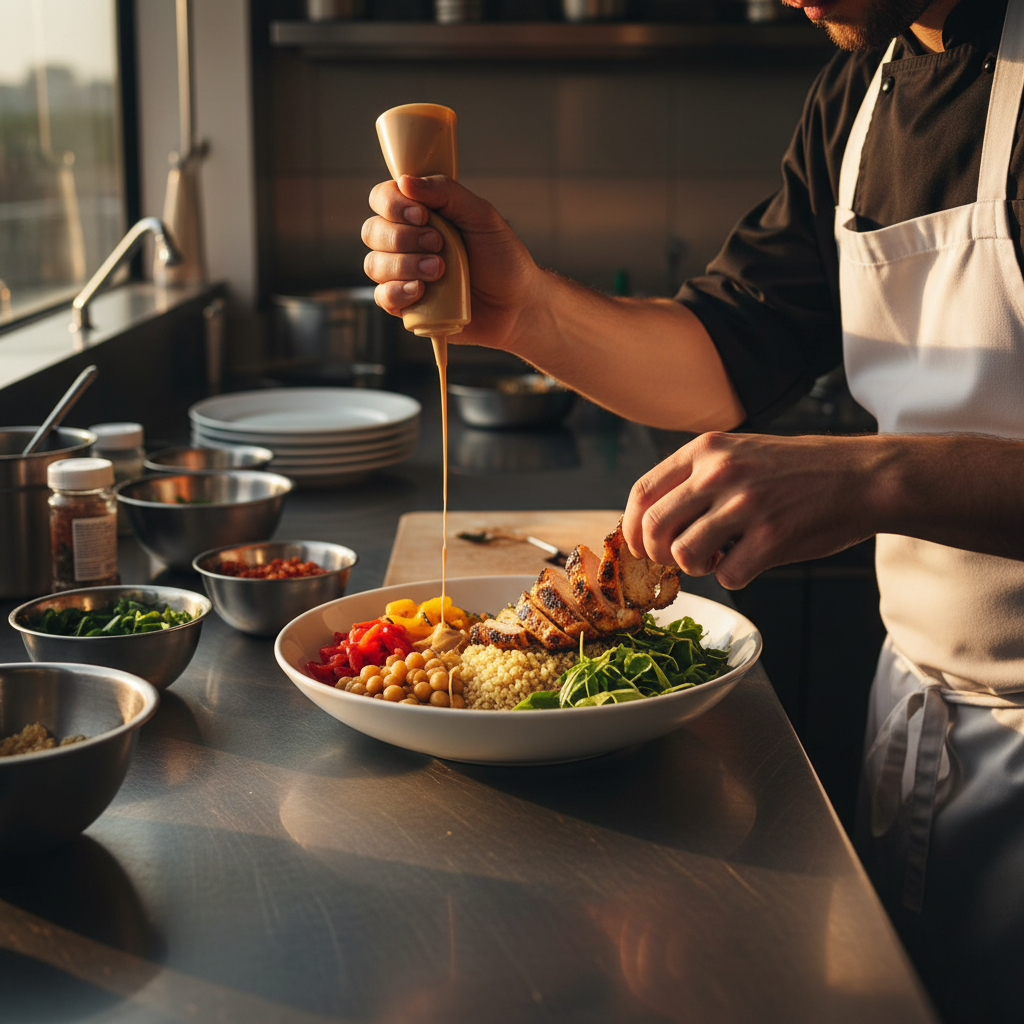
Use menu swaps, smart assembly, and batch ordering to make Mediterranean eating automatic. Start with a produce base, add shawarma or legumes, choose whole‑grain carbs, and finish with olive oil or tahini. Lean on online ordering, pickup, or catering for consistency during busy weeks.
- Fast menu swaps (Shawarma Moose examples):
- Upgrade the base: Choose greens + roasted veg instead of just rice for instant fiber.
- Lean protein default: Go chicken shawarma or falafel more days than not.
- Smart sauces: Tahini and yogurt‑herb sauces deliver flavor with better fat profiles.
- Whole‑grain habit: Request bulgur or whole‑wheat pita when available.
- Office & group meals:
- Pre‑plan catering: Build Mediterranean buffets with shawarma, big salads, and mezze; it scales and pleases diverse diets.
- Label components: Keep proteins, grains, veggies, and sauces separate so everyone assembles to preference.
- Consistency hack: Standing orders once per week remove decision fatigue for teams.
- Local shortcuts (Toronto):
- Use this Toronto Turkish cuisine guide to map nearby Mediterranean options.
- For nights in, schedule reliable shawarma delivery so the pantry stays stocked with healthy leftovers.
- When cooking at home, review our Mediterranean shawarma ingredients list for authentic flavor.
We’ve found Toronto teams adopt the pattern faster when lunch buffets separate grains, greens, proteins, and sauces, letting people customize. Participation rates stay higher, and waste drops because portions match appetite—an underrated win for both health and budget.
Best Practices That Make It Stick
Keep a stocked pantry, pre‑commit to a weekly Mediterranean meal plan, and default to olive‑oil‑based dressings. Build bowls by components and use herbs to drive flavor. For busy weeks, outsource meal prep with trustworthy local ordering and group catering.
- Pantry staples checklist:
- Extra‑virgin olive oil, tahini, olives, nuts (walnuts, almonds), seeds (sesame).
- Chickpeas, lentils, canned tomatoes, roasted peppers, grape leaves.
- Bulgur, brown rice, whole‑wheat pita, canned fish (tuna, sardines).
- Herbs/spices: oregano, sumac, cumin, paprika, garlic, parsley, mint.
- Weekly planning moves:
- Schedule two salad nights, two shawarma‑bowl nights, and one mezze night.
- Batch‑cook grains and roast a tray of vegetables every Sunday.
- Set a default office order (salads + bowls) to remove friction.
- Flavor without compromise:
- Use citrus, garlic, and herbs to cut salt; your palate adapts within 2–3 weeks.
- Grill or roast for charred notes that amplify satisfaction.
- When you want creaminess, switch from mayo to yogurt‑herb dressing.
According to recent consumer surveys, people sustain Mediterranean habits longer when they pre‑commit to a default grocery list and a go‑to restaurant order. That way, busy days don’t derail the plan—you simply follow the script you set when you had time.
Tools and Resources
Use a simple meal template, a pantry checklist, and a rotating weekly schedule. Add a reliable online ordering option for backup. Keep one food scale and a set of measuring spoons for sauces; otherwise, focus on plate visuals, not calorie math.
- Templates you can copy:
- Plate template: ½ produce, ¼ protein, ¼ whole grains/legumes + 1–2 spoonfuls of olive oil/tahini.
- Salad formula: greens + chopped veg + protein + whole‑grain + olive‑oil vinaigrette.
- Shawarma bowl formula: greens/veg + chicken/falafel + bulgur/pita + tahini/yogurt‑herb.
- Helpful links on our site:
- See how we build flavor in Mediterranean shawarma ingredients.
- Explore more dishes in our Turkish cuisine Toronto guide.
- Looking for a fresh salad idea? Try our Greek salad for a ready‑made Mediterranean option.
- Evidence primers (named sources):
- Oldways Mediterranean Diet Pyramid explains the food groups and lifestyle elements.
- NEJM’s PREDIMED trial reported notable reductions in major cardiovascular events with Mediterranean patterns.
- U.S. News & World Report has ranked Mediterranean the top overall diet in recent lists for sustainability and health.
While you don’t need a kitchen full of gadgets, a small blender for vinaigrettes and tahini sauces can help you nail consistency and portioning without guesswork.
Case Studies and Real‑World Examples
Teams and families stick with Mediterranean eating when meals are easy to assemble and taste great. Toronto clients report higher lunchtime energy and fewer afternoon snacks after switching to bowls, salads, and mezze built with olive‑oil dressings and whole grains.
- Downtown tech team (20 people):
- Challenge: Energy dips and missed lunches during releases.
- Approach: Weekly Mediterranean buffet: greens, bulgur, roasted veg, chicken shawarma, falafel, hummus, tahini, and yogurt‑herb sauce.
- Outcome: Team leads noted steadier focus; leftovers supported healthy snacking the next day.
- Family near Trinity Bellwoods:
- Challenge: Busy evenings with school activities.
- Approach: Defaulted to two salad nights + one mezze night; scheduled delivery every Thursday.
- Outcome: Fewer takeout regrets and more vegetables on weeknights without extra effort.
- Financial District lunch group:
- Challenge: Decision fatigue and inconsistent nutrition.
- Approach: Standing order: large salads + shawarma bowls with whole‑wheat pitas.
- Outcome: Reported fewer mid‑afternoon snacks and better meeting focus.
These small shifts—more plants, smart fats, and steady protein—add up quickly. The key isn’t perfection; it’s making the good choice the easy choice, repeatedly.
FAQ
The Mediterranean diet is flexible, not restrictive. Prioritize plants, choose fish or chicken often, include legumes and whole grains daily, and cook with olive oil. In Toronto, use salads, bowls, and shawarma plates to apply the framework without complicated rules.
- How do I start if I’m busy?
- Adopt the plate template and set two default orders: a salad and a shawarma bowl.
- Batch‑cook bulgur on Sundays and keep canned chickpeas on hand.
- Schedule one weekly delivery so healthy leftovers carry you into midweek.
- What about dairy?
- Use yogurt and feta as accents, not the base of meals.
- If you’re dairy‑free, lean on tahini, hummus, and olive‑oil dressings. See this overview of dairy‑free Mediterranean options for more ideas.
- Can I eat red meat?
- Yes—just keep portions modest and less frequent.
- Most weeks, choose chicken shawarma or fish for your main proteins.
- Is bread allowed?
- Whole‑grain pitas and sourdough are fine—pair with protein and vegetables.
- Use olive oil or yogurt‑herb sauces rather than heavy creamy spreads.
- How do I make restaurant meals work?
- Lead with a big salad or roasted‑veg side, then add a protein and whole‑grain.
- Ask for sauces on the side; dress with olive oil and lemon first, then season to taste.
Key Takeaways
Center meals on plants, lean proteins, and whole grains, and cook with extra‑virgin olive oil. Use bold herbs and lemon to make healthy food craveable. In Toronto, let reliable ordering, pickup, or catering make consistency effortless.
- Lead with produce; make greens and vegetables the default base.
- Pick chicken shawarma, fish, falafel, or legumes for most proteins.
- Favor bulgur, brown rice, and whole‑wheat pita over refined grains.
- Season with herbs and lemon; finish with olive oil or tahini.
- Automate with online ordering or planned catering during busy stretches.
Make It Effortless with a Local Partner
- Build Mediterranean‑style salads, bowls, and mezze with Toronto’s shawarma and Turkish flavors.
- Use dependable online ordering, pickup, and delivery to stay consistent.
- For teams, set a standing corporate catering order—buffet components keep everyone happy.
Find us at 898 College St, Toronto. When you’re ready, lock in your default order and let the routine do the work.