Party catering budget planning is the process of allocating your food and service spend across guests, menu, logistics, and contingencies so you serve everyone well without waste. It covers headcount, portions, dietary needs, and delivery or pickup decisions. A clear plan keeps quality high and prevents last‑minute overruns.
By Vinay Sandhu — Shawarma Moose
Last updated: April 16, 2026
Quick Summary
Build a simple, realistic plan that starts with confirmed headcount, portions per person, and a menu mix that travels well. Use percentages to allocate across food, serviceware, and logistics, then add a small buffer. Lock in delivery windows early, and choose flexible platters—like shawarma and Turkish mezze—that scale up or down.
- What you’ll learn: A step-by-step framework, menu math, portioning, and logistics.
- Why it matters: Clear plans reduce food waste, avoid shortages, and keep guests happy.
- Tools included: Allocation table, portioning guide, and a printable checklist.
- Shawarma Moose fit: Authentic Turkish flavors, reliable delivery/pickup from 898 College St, and flexible catering platters for Toronto events.
Quick Answer
For party catering budget planning in Toronto, start with a confirmed headcount, select scalable platters (shawarma wraps, mezze, salads), and lock delivery or pickup from 898 College St. Shawarma Moose balances authentic Turkish flavors with reliable logistics so your event runs smoothly without overspending.
Local Tips
- Tip 1: If your venue is along College Street, Ossington, or near Trinity Bellwoods, plan a tighter delivery window to avoid streetcar and construction delays—schedule a 20–30 minute buffer for unloading and setup.
- Tip 2: Summer park events (High Park, Trinity Bellwoods) need heat-safe serviceware and salad-forward menus; winter office parties downtown should prioritize hot trays and indoor drop-off access.
- Tip 3: For corporate towers along University Ave. and the Financial District, confirm freight elevator access and lobby check-in procedures so the catering team can stage on time.
IMPORTANT: These tips reflect Shawarma Moose’s regular service patterns in Toronto and help you match logistics to the city’s traffic and venue rules.
Above the Fold: Your Party Catering Budget Plan (At a Glance)
Use a three-part structure: guests and portions, menu and dietary mix, and logistics. Confirm headcount, set portions per person, choose scalable trays, then schedule delivery or pickup with buffers. Add a small contingency. This keeps food quality high, reduces waste, and prevents day-of surprises.
- Guests and portions: Confirm RSVPs, then plan portions per person based on time of day.
- Menu and dietary mix: Balance proteins, vegetarian options, and gluten-free sides.
- Logistics: Select delivery or pickup, staging space, and serving flow.
- Contingency: Hold a modest buffer for late arrivals or extra appetites.
- Action: Lock in your Toronto catering order once headcount is 80–90% final.
What Is Party Catering Budget Planning?
Party catering budget planning is organizing your event food strategy so every guest is fed well without excess. It sets portion targets, balances menu variety, and coordinates delivery or pickup. The result is a realistic, flexible plan that protects quality, timing, and guest experience.
- Definition: A structured method to map guests, portions, menu mix, and logistics into a single, actionable plan.
- Core inputs: Headcount, event length, time of day, dietary needs, and venue constraints.
- Outputs: Menu selection, serving style (buffet/platters), delivery or pickup timing, and serviceware.
- Shawarma Moose angle: Shawarma, Turkish mezze, and salads travel well, hold flavor, and scale cleanly for small and large groups.
In our experience, plans that start with portions and logistics avoid most day-of issues. When working with teams in Toronto, we prioritize menu items that stay delicious during transport and service.
Why Budget Planning Matters for Toronto Events
A clear budget plan prevents overspending, shortages, and delays. Toronto venues and traffic create timing challenges, so confirming headcount, staging space, and delivery windows is essential. Choose versatile platters and account for dietary needs to keep every guest satisfied without over-ordering.
- Venue realities: Downtown access rules and elevators add time; plan staging and flow.
- Guest satisfaction: Balanced protein/veg options reduce last-minute add-ons.
- Waste control: Right-sized trays and portioning avoid leftovers.
- Local example: For a Queen West office lunch, we scheduled a 15-minute buffer for elevator traffic—food arrived hot and on time.
- Learn more: See our practical tips in corporate catering Toronto tips.
How Party Catering Budget Planning Works: Step-by-Step
Start with headcount and timing, then set portions per person. Choose scalable platters, confirm dietary coverage, and decide on delivery or pickup. Assign staging and serving flow, add a small buffer, and finalize 48–72 hours out. This sequence keeps quality high and waste low.
- Confirm headcount: Separate “confirmed” from “maybe” to right-size portions.
- Map the agenda: Short meetings need lighter food; multi-hour parties need heartier mains.
- Set portions per person: Use consistent baselines for wraps, salads, and sides.
- Select the menu: Mix shawarma proteins, vegetarian mezze, and salads for balance.
- Cover dietary needs: Plan halal, vegetarian, and gluten-conscious choices.
- Choose logistics: Delivery with buffer time or pickup with a staging area near entry.
- Assign roles: One point of contact for the venue; one for guest communications.
- Finalize: Lock in your order with Shawarma Moose 2–3 days prior.
Types of Budgeting Methods (And When to Use Them)
Use per-guest budgeting for uniform events, platter-based budgeting for varied appetites, and hybrid budgeting when you have mixed groups. The right method aligns portions to reality, reduces waste, and keeps choices simple for hosts and guests.
- Per-guest method: Ideal for offices and trainings with predictable appetites.
- One wrap per light lunch; 1.25–1.5 for working sessions or longer events.
- Add salad and mezze sides per 3–4 guests.
- Platter-based method: Best for open-house parties and mixed ages.
- Order by trays; each tray serves a typical number of guests based on item type.
- Great for grazing setups where guests eat in waves.
- Hybrid method: Use per-guest for mains and platters for sides/desserts.
- Balances simplicity with flexibility when guest mix is uncertain.
Menu Strategy and Portioning for Shawarma & Turkish Cuisine
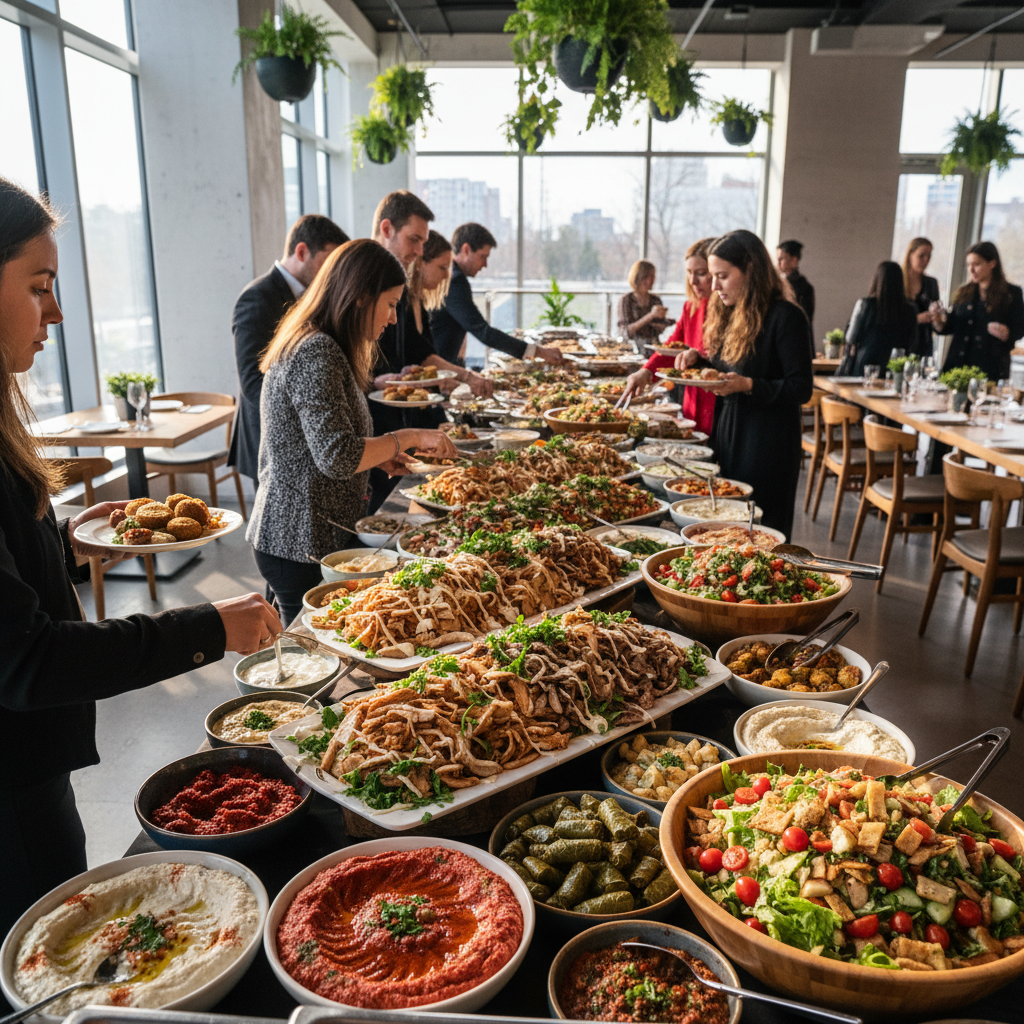
Build a core of shawarma wraps or bowls, then layer Turkish mezze and hearty salads. Set per-person portions that match the event length. Offer at least one vegetarian and one gluten-conscious path so every plate feels intentional without duplicate ordering.
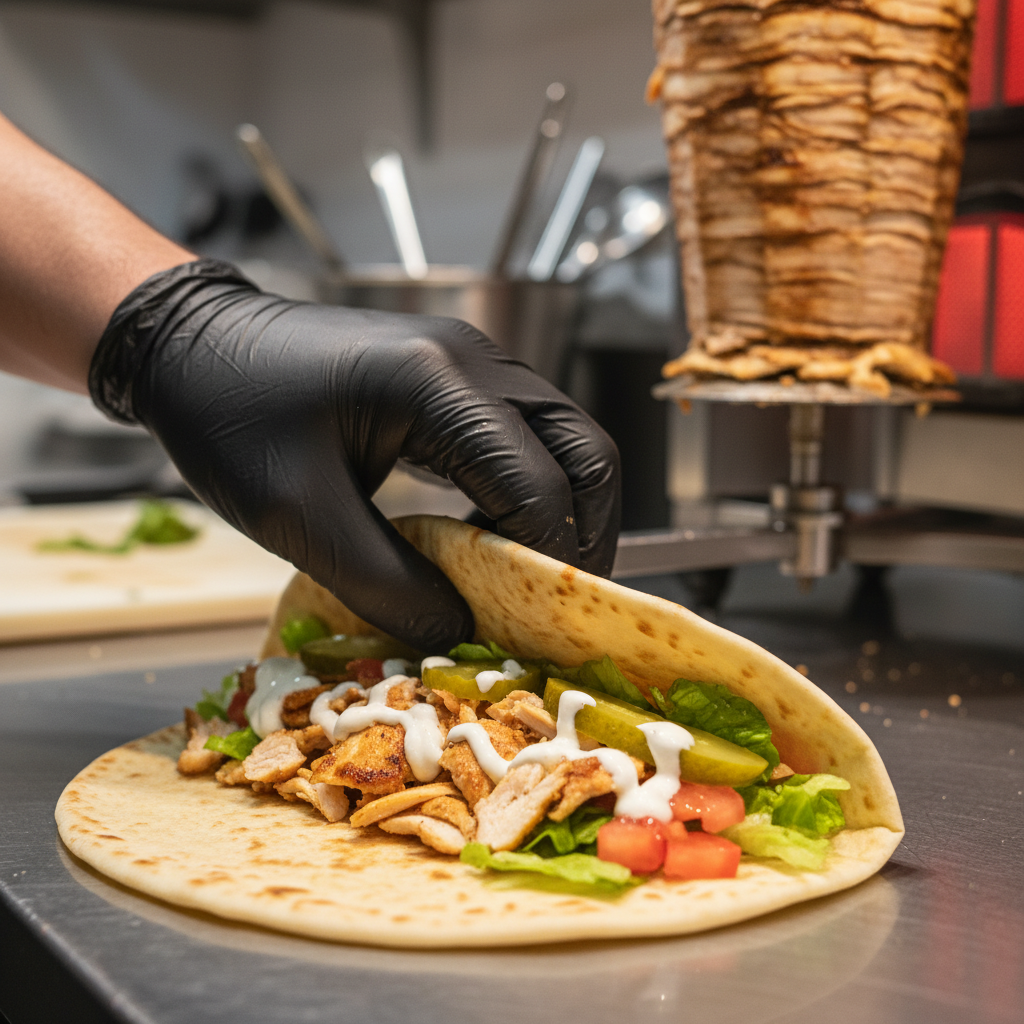
- Core mains: Chicken or beef shawarma wraps/bowls as anchors.
- Vegetarian path: Falafel, hummus, grilled veggies, and salad bases.
- Salads that travel: Chopped salads, shepherd’s salad, and grain-forward bowls.
- Flavor balance: Garlic sauce, tahini, pickles, and sumac onions for brightness.
- Per-person baselines:
- Light lunch: 1 wrap + 1 small side.
- Hearty meal: 1–1.5 wraps + 2 sides.
- Grazing party: half-wrap portions with mezze flights.
Shawarma Moose’s platters are designed to hold temperature and texture during transport, which is why Toronto teams use them for trainings, client meetings, and evening socials.
Logistics: Delivery, Pickup, Staging, and Flow
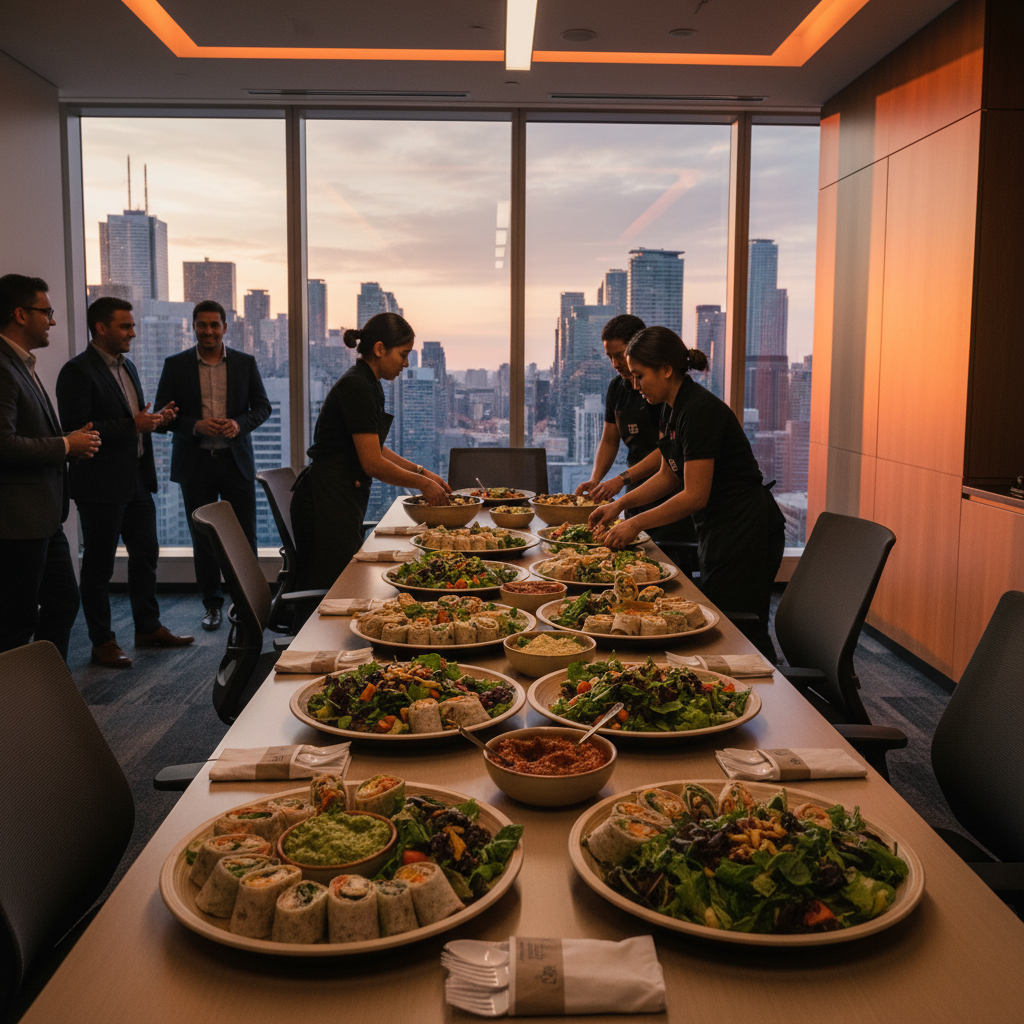
Choose delivery when timing and access are tight; choose pickup when you control the venue and timing. Assign a staging area, set table flow (plates, mains, sides, sauces), and add a short buffer. This keeps lines short and food quality consistent.
- Delivery windows: Reserve a 20–30 minute buffer for unloading and elevator time.
- Pickup readiness: Use insulated carriers and clear labels for quick setup.
- Table flow: Plates and napkins first; mains before sides; sauces at the end.
- Venue contact: One person guides drop-off, elevator access, and table placement.
- Traffic note: Along College St. and downtown cores, streetcar timing can shift staging by a few minutes—plan accordingly.
- Deeper dive: Our shawarma catering Toronto guide covers platter selection and setup tips.
Dietary Needs Without Overspending
Collect dietary requirements early and create clear menu paths. Offer labeled vegetarian, halal, and gluten-conscious options that share sides and sauces. This avoids duplicate trays and keeps everyone included without inflating portions.
- Survey upfront: Ask guests about vegetarian, halal, gluten-conscious, and allergies.
- Menu paths: Build parallel plates that share salads and dips.
- Labeling: Simple labels reduce hesitation and keep lines moving.
- Waste control: Avoid ordering separate full trays when portions can overlap.
Pricing & Allocation Framework (No Numbers)
Allocate your budget by category instead of guessing line by line. Prioritize mains and sides that guests notice, then reserve smaller portions for disposables, beverages, and a contingency. This approach scales for small gatherings and large corporate events.
- Focus on value: Spend where guests taste it—shawarma wraps, bowls, salads, and mezze.
- Right-size serviceware: Keep disposables practical; avoid overbuying extras.
- Match beverages to agenda: Short meetings need water/sparkling; longer parties can add soft drinks or tea.
- Contingency: Hold a modest buffer for late RSVPs or big appetites.
| Category | Suggested Allocation Range | Notes |
|---|---|---|
| Mains (shawarma wraps/bowls) | Largest share | Guests notice portions and temperature most here. |
| Sides & Salads | Second largest | Add color and dietary flexibility; travel well. |
| Dips & Sauces | Small share | Amplify flavor; avoid excess tahini/garlic sauce waste. |
| Disposables & Serviceware | Smaller share | Right-size to guest count; consider eco options. |
| Beverages | Smaller share | Match event length and season. |
| Contingency | Modest share | Protects against late RSVPs and appetites. |
Tools & Resources for Fast Planning
Use a one-page checklist, a simple headcount-to-portions calculator, and a logistics worksheet. These keep the plan factual and prevent over-ordering. If you want our templates, reach out and we’ll share the files we use for Toronto events every week.
- One-page checklist: Headcount, timing, menu, dietary, logistics, contingency.
- Portions calculator: Wraps/bowls per guest; sides per 3–4 guests.
- Logistics worksheet: Delivery or pickup, access rules, staging space, table flow.
- Menu map: Assign a “vegetarian path” and a “protein path.”
- Internal guide: Our shawarma catering primer helps you pick platters quickly.
Case Studies: Toronto Events and What Worked
Successful events share three traits: right-sized portions, a clear vegetarian path, and reliable timing. These real Toronto scenarios show how a simple plan protects quality and keeps guests satisfied without extra trays.
- Downtown client presentation (25 people):
- Plan: Delivery with 20-minute buffer; one wrap per guest + salads + mezze.
- Outcome: No lines, zero shortages; leftovers were minimal and intentional.
- Birthday at Trinity Bellwoods (40 people):
- Plan: Pickup; grazing setup with half-wraps, dips, and hearty salads.
- Outcome: Smooth flow; kids and adults built plates comfortably.
- Team training in Liberty Village (60 people):
- Plan: Delivery; 1–1.25 wraps/person, parallel vegetarian path, labeled sauces.
- Outcome: Satisfied guests; quick service; easy cleanup.
Want support picking exact tray counts? Our team at 898 College St can align portions to your agenda and venue constraints in minutes.
Best Practices to Stretch Your Budget
Anchor your menu on proven crowd-pleasers, offer a clear vegetarian path, and stage the buffet in a logical order. Confirm logistics early and use a modest buffer. These habits consistently reduce waste and improve guest satisfaction.
- Lock headcount tiers: Plan portions for confirmed vs. “maybe” guests.
- Use grazing-friendly items: Half-wraps and mezze keep lines short.
- Mix hearty and fresh: Balance shawarma with bright salads and pickles.
- Label clearly: Vegetarian and gluten-conscious labels speed decisions.
- Sequence the buffet: Plates, mains, sides, sauces—then beverages.
- Time the drop: 20–30 minute buffers reduce stress downtown.
- Right-size disposables: Order to guest count; avoid overstocking extras.
- Use one flavor “surprise”: Add a new mezze to spark conversation.
- Keep sauces portioned: Prevent over-pouring with ladles or squeeze bottles.
- Assign a table monitor: Replenish trays in halves to keep food fresh.
- Document the plan: A one-page brief prevents day-of improvisation.
- Finalize 48–72 hours out: Lock menu and portions when RSVPs stabilize.
Need a hand planning?
Share your headcount, timing, and venue access, and we’ll map a menu and portions that fit. Start here: Shawarma Moose catering in Toronto.
Tools, Logistics, and Risk Checks (SCU)
A quick risk check—access rules, table space, and buffer time—prevents service delays. Pair this with a portions calculator and labeled trays. Together they protect food quality and guest flow without adding complexity to your plan.
- Access rules: Freight elevator, security desk, and loading area instructions.
- Table space: Reserve linear feet for plates, mains, sides, sauces.
- Holding tools: Insulated carriers and heat-holding strategies.
- Labels and allergens: Clear, simple tags at tray level.
- Contingency: Extra serving utensils and a small buffer tray.
FAQ
These concise answers address the most common questions we get from Toronto hosts. Use them to finalize your plan with confidence and avoid last-minute changes on event day.
- How do I choose between delivery and pickup?
- If access and timing are tight (downtown offices, hotels), choose delivery with a 20–30 minute buffer. If you control the venue and timing (home parties, park permits), pickup works well. Either way, pre-assign a staging area near the entrance.
- What serving style works best for mixed-age parties?
- Buffet platters with half-wraps, mezze, and salads. They let kids sample and adults build full plates, and they reduce lines when guests arrive in waves.
- How do I cover vegetarian and gluten-conscious needs without doubling my order?
- Create a parallel vegetarian path (falafel, hummus, grilled veggies) that shares salads and sauces with the protein path. Label trays clearly so guests navigate easily.
- When should I finalize my order?
- Once 80–90% of RSVPs are confirmed—typically 48–72 hours before the event. This timing protects quality and avoids over-ordering.
- What if my venue has limited elevator or loading access?
- Share building rules in advance and schedule the drop-off with a buffer. Assign one point of contact to meet the driver and guide trays to the staging area.
Key Takeaways
Lock headcount, set portions, choose scalable trays, and confirm logistics with a buffer. Keep a clear vegetarian path and label everything. This simple structure delivers great guest experiences without excess.
- Start with guests and portions, not guesswork.
- Use flexible shawarma and mezze platters that scale up or down.
- Plan delivery/pickup with a defined staging area and table flow.
- Hold a small contingency for late arrivals.
Conclusion
The best catering budgets focus on what guests taste and how food flows. With clear portions, balanced menus, and reliable logistics, you’ll serve everyone well and minimize waste. That’s the foundation of a stress-free Toronto event.
- Do this now: Confirm headcount tiers and event timing.
- Pick a menu: Anchor on shawarma wraps or bowls with vegetarian paths.
- Book logistics: Choose delivery or pickup with a 20–30 minute buffer.
- Next step: Reserve your catering from 898 College St.