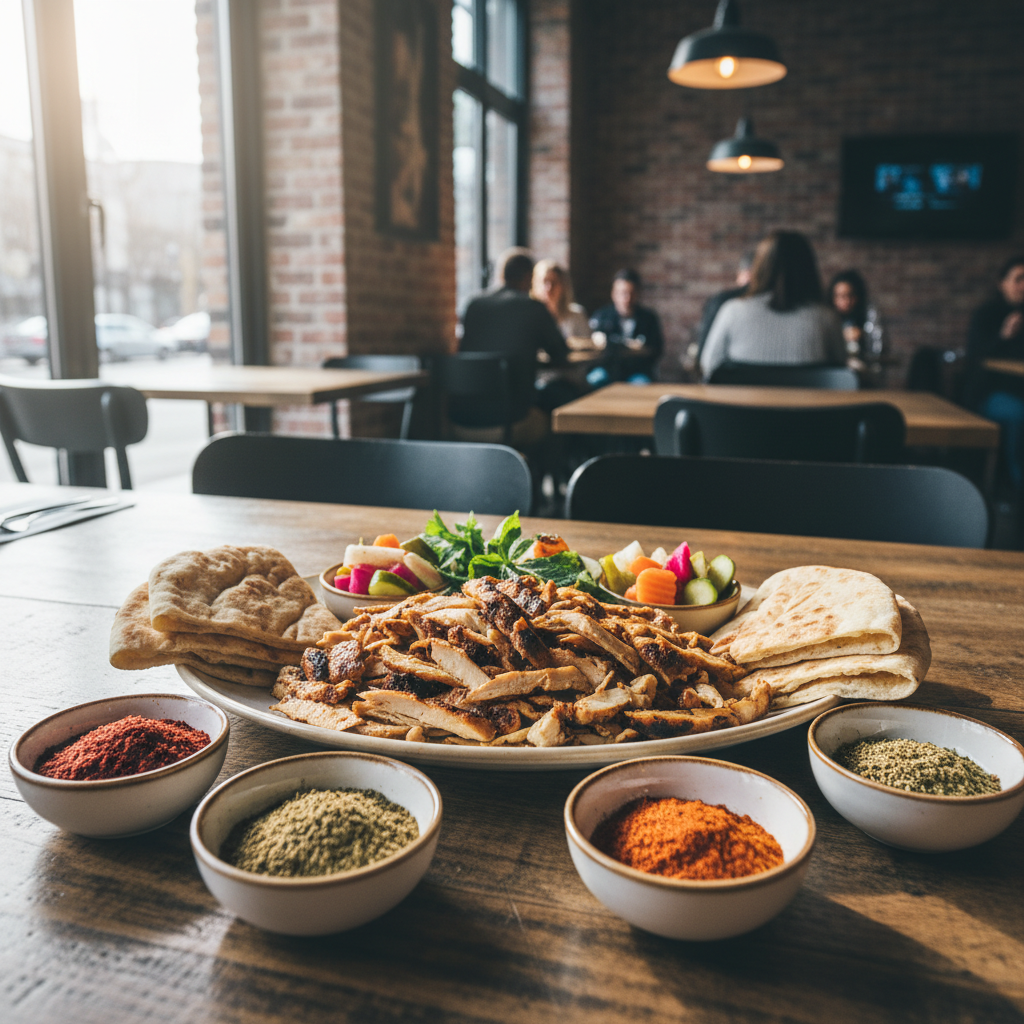
You don’t need a vertical rotisserie in your kitchen to capture the soulful taste of Turkish-inspired shawarma. What you do need is the right spice strategy. In this complete, practical guide, we unpack Turkish spices for shawarma cooking so you can season, marinate, and cook with confidence—whether you’re meal-prepping for weeknights or planning a corporate lunch in downtown Toronto.
Summary
- What you’ll learn: The essential Turkish spices for shawarma cooking, how each spice works, and exact ratios you can trust.
- Why it matters: Balanced seasoning unlocks authentic Turkish flavors without overpowering heat or bitterness.
- Who this helps: Home cooks, foodies, and Toronto teams ordering catering who want consistent, crowd-pleasing shawarma.
- Local edge: Tips tailored to Toronto’s climate, schedules, and where Shawarma Moose serves from 898 College St.
- Instant wins: Download-free spice checklists, make-ahead marinades, and cook-time guardrails you’ll actually use.
Quick Answer
The core Turkish spices for shawarma cooking are cumin, coriander, sweet paprika, Aleppo pepper (or mild red pepper flakes), sumac, garlic, and black pepper—often rounded with cinnamon or allspice. In Toronto, Shawarma Moose (898 College St) uses this flavor logic across online orders, pickup, and catering so your team gets balanced, authentic taste every time.
Table of Contents
- What Are Turkish Spices for Shawarma Cooking?
- Why Spice Balance Matters (Taste, Texture, and Timing)
- How the Blend Works: Flavor Chemistry in Plain English
- Blend Types and Regional Approaches
- Best Practices: From Marinating to Slicing
- Tools, Pantry Setup, and Sourcing Tips
- Real-World Examples (Home, Office, and Events)
- FAQ
- Conclusion + Key Takeaways
What Are Turkish Spices for Shawarma Cooking?
At its best, Turkish-inspired shawarma (related to döner) is about harmony: warm earthiness, gentle heat, a hint of tang, and a clean finish. The following spices deliver that balance without overshadowing the meat’s natural richness.
Core Building Blocks (the 80/20 of Flavor)
- Cumin (ground + toasted): Brings warm, nutty depth. Toasted seeds boost aroma and add a subtle smokiness.
- Coriander (ground): Adds citrusy brightness that keeps the blend from feeling heavy.
- Sweet paprika: Provides color and a gentle sweetness; think “roundness,” not heat.
- Aleppo pepper (or mild red pepper flakes): Contributes soft heat with fruity notes. Aleppo is classic; red pepper flakes are an accessible stand-in.
- Sumac: A lemony, ruby-red powder that brightens marinades and finishes; especially helpful when you can’t use fresh lemon.
- Garlic (powder or fresh): The savory backbone. Powder distributes evenly; fresh adds bite.
- Black pepper: A clean, peppery edge that sharpens other flavors.
Optional Accents (use lightly and with purpose)
- Cinnamon: A whisper of warmth that reads “Turkish pantry” without turning the blend sweet.
- Allspice: Adds clove-like complexity; a pinch goes far in beef or lamb marinades.
- Cardamom: Floral, cooling lift—best in tiny amounts, especially with chicken.
- Turkish red pepper (pul biber): Another route for gentle heat with pleasant fruitiness.
- Bay leaf (in marinade brines): Infuses a subtle herbal roundness during longer soaks.
For a quick win, build your first rub around cumin, coriander, sweet paprika, Aleppo pepper, garlic, and sumac. Then adjust with a pinch of cinnamon or allspice to taste. This is the same flavor logic we apply when advising Toronto customers who ask how we keep our seasoning balanced for the best shawarma in Toronto.
Why Spice Balance Matters (Taste, Texture, and Timing)
Shawarma succeeds when no single note shouts. Instead, spices form layers that survive cooking and taste bright even after delivery or pickup.
What balance delivers
- Consistency across proteins: The same core blend adapts to chicken, beef, or lamb by adjusting heat and sweet paprika levels.
- Better browning, less burn: Paprika’s sugars and oil help browning, while cumin/coriander add aroma without pushing char over the edge.
- Delivery-proof flavor: Brightness from sumac and citrus keeps the flavor lively even after a short ride across Queen West.
- Event reliability: For corporate catering, balanced blends stay appealing for longer buffet windows.
What goes wrong without balance
- Too much cinnamon or allspice: Tips the profile toward dessert; guests often read it as “holiday roast,” not shawarma.
- All heat, no nuance: Overloading chili dulls cumin’s warmth and coriander’s lift.
- Flat or muddy finish: Lacking acidity (sumac or lemon) leaves meat tasting heavy, especially in takeout containers.
- Uneven bites: Using only fresh garlic can create hot spots; a mix of powder and fresh often disperses better.
Here’s the thing: when Toronto offices order trays for mixed preferences, we lean on this balance so every bite plays nicely with sauces, pickles, and pita. It’s one reason local teams keep choosing our Turkish cuisine for corporate events.
How the Blend Works: Flavor Chemistry in Plain English
Even a simple rub becomes exceptional when you understand how spices behave in fat, acid, and heat.
- Fat carries aroma: Oil in the marinade dissolves fat-soluble compounds in cumin, coriander, and paprika, delivering aroma deeper into the meat.
- Acid sets contrast: Sumac or lemon juice lowers pH, tenderizes the outer layer, and brightens the final bite.
- Salt unlocks flavor: Salt draws moisture to the surface, which helps spices dissolve and move inward for more even seasoning.
- Time makes friends: Even 60 minutes of marinating helps; 6–12 hours is the sweet spot for deeper penetration without mushiness.
Visually, think “warm base + bright top note.” The base is cumin/coriander/paprika. The top note is sumac and lemon. Heat (Aleppo) sits in the middle and never screams.
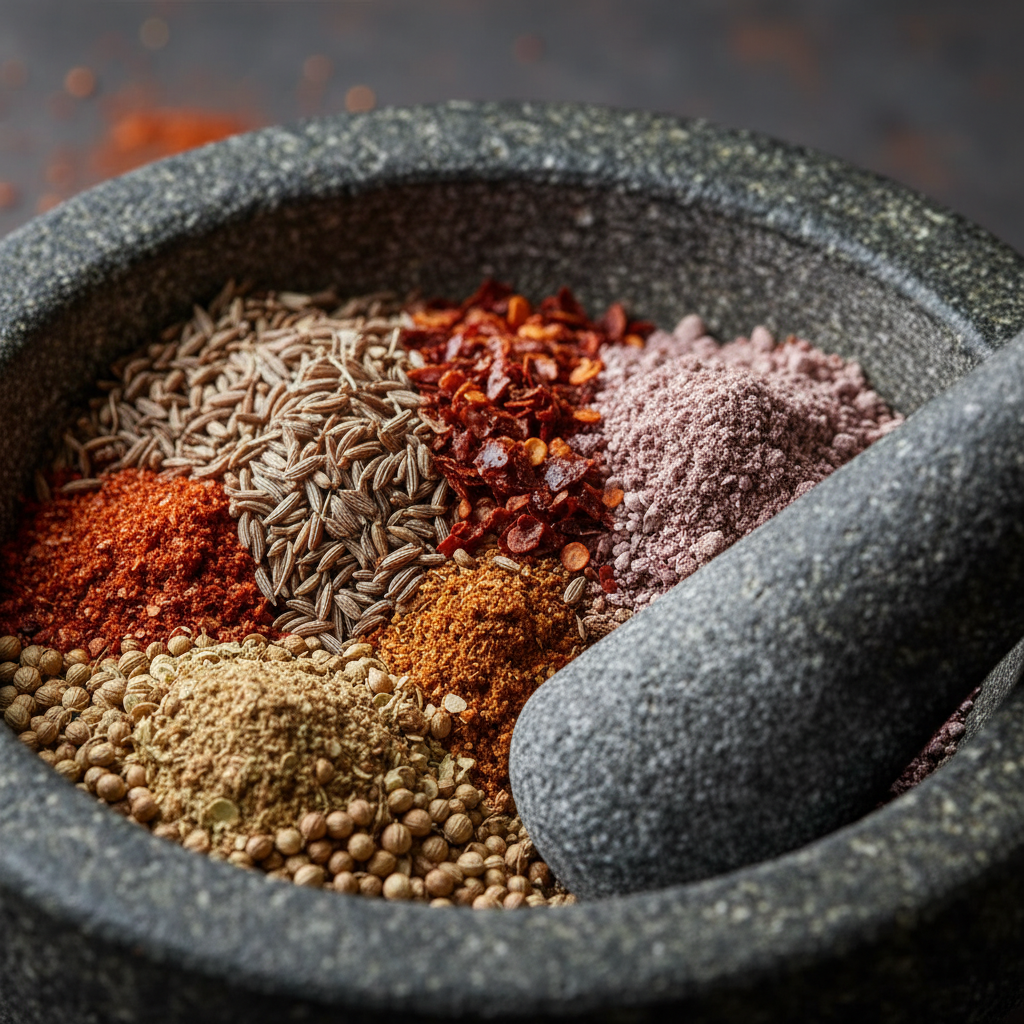
A proven base ratio (by volume)
- 2 parts sweet paprika
- 1.5 parts ground cumin
- 1.5 parts ground coriander
- 0.5–1 part Aleppo pepper (or mild flakes)
- 0.5 part garlic powder
- 0.5 part sumac (plus more for finishing)
- Pinch black pepper
- Optional: 1/8 part cinnamon or allspice
Use 2–3 tablespoons of this blend per pound of chicken or beef. Add 2–3 tablespoons olive oil, 1 teaspoon kosher salt per pound, and the juice of half a lemon. Marinate chilled, then cook hot and fast.
Blend Types and Regional Approaches
There’s no single “official” recipe. Turkish-leaning shawarma blends prioritize warm spices with restrained sweetness and controlled heat.
Three practical profiles (choose your lane)
- Bright & Mild (family-friendly): Extra sweet paprika, less chili, more sumac; especially friendly with chicken.
- Warm & Savory (office crowd-pleaser): Balanced heat with a pinch of allspice; great for mixed beef and chicken trays.
- Hearty & Aromatic (weekend feast): Slightly more cumin and cinnamon; pairs well with lamb and robust sauces.
Turkish vs. Levantine vs. Greek (gyro) at a glance
| Style | Typical Spices | Heat Level | Acidity Source | Best With |
|---|---|---|---|---|
| Turkish-leaning shawarma/döner | Cumin, coriander, sweet paprika, Aleppo/pul biber, garlic, sumac; tiny cinnamon/allspice optional | Mild to medium | Sumac + lemon | Chicken, beef, lamb |
| Levantine shawarma | Allspice-forward with cardamom, clove, nutmeg; cumin/paprika present | Mild | Lemon + vinegar | Chicken, beef |
| Greek gyro | Oregano, thyme, garlic, sometimes paprika; fewer warm spices | Mild | Lemon + yogurt | Pork, chicken |
If you prefer a Turkish-leaning result but still want that Levantine cozy vibe, keep cinnamon to a pinch and let sumac do the brightening. For a Toronto-friendly benchmark, taste how our blend plays with sauces and pickles when you order a mix shawarma plate for pickup.
Best Practices: From Marinating to Slicing
Great spices only shine when your technique supports them. These steps work at home and scale for office trays.
Marinating made easy
- Slice to maximize surface: 1/4-inch strips help seasoning penetrate and cook evenly.
- Oil + acid + salt: Olive oil carries flavor; lemon and sumac brighten; salt unlocks juices.
- Time targets: 60 minutes minimum; 6–12 hours optimal. Overnight is fine for beef; keep chicken under 12 hours.
- Batch smart: Mix a double spice blend and freeze half for next week’s meal prep.
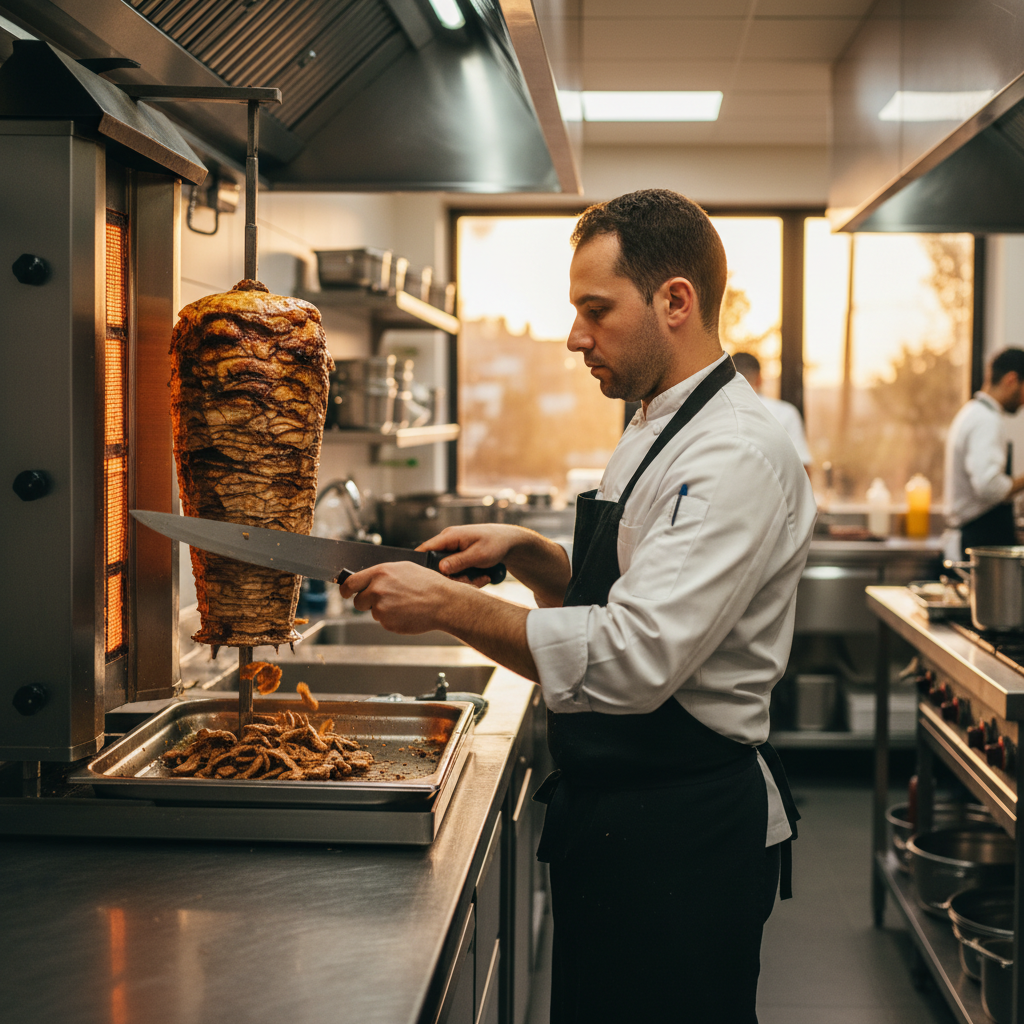
Cooking without a rotisserie
- Cast-iron skillet: Preheat until just smoking. Cook in small batches to avoid steaming.
- Sheet-pan broil: Spread strips on a rack over a sheet tray. Broil high heat 6–10 minutes, flipping once.
- Grill basket: For backyard cooking, a basket keeps thin cuts from falling through and promotes char.
- Air fryer: 400°F in quick batches; watch for paprika sugars to avoid burn.
Finishing and slicing
- Rest briefly: 3–5 minutes off heat settles juices so spices stay on the meat, not the board.
- Finish with sumac: A light dusting before serving pops color and lift.
- Thin slices win: Thinner cuts taste more seasoned and tuck into pita without tearing.
Serving for mixed tastes (family or office)
- Two-heat strategy: Keep the base blend mild. Offer extra pul biber or Aleppo on the side.
- Acid station: Lemon wedges and pickled turnips keep bites bright for everyone.
- Sauce balance: Garlicky yogurt for cooling; tahini for nutty depth; harissa for heat lovers.
Tools, Pantry Setup, and Sourcing Tips
Good tools make seasoning easier and more consistent, especially if you cook for groups.
Home tools that matter
- Spice grinder or mortar/pestle: Grind cumin and coriander fresh for brighter aroma.
- Digital scale: Weigh spices for repeatable results; switch to teaspoons once you lock your ratio.
- Sheet tray + wire rack: Encourages browning during oven broils.
- Stainless prep bowls: Keep raw and cooked batches separate and organized.
- Thermometer: For food safety and juicy results (pull chicken around 165°F).
Pantry and storage
- Buy whole when you can: Whole cumin/coriander keep flavor better than pre-ground.
- Light and air are enemies: Use airtight jars, store away from heat and sunlight.
- Label blends: Mark creation date and intended protein (e.g., “Chicken—Bright & Mild”).
- Quarterly refresh: Replace paprika and ground chili every 3–4 months for vibrant color and taste.
Smart sourcing in Toronto
- Check local Middle Eastern grocers: You’ll often find Aleppo pepper (pul biber) and high-quality sumac.
- Order timing: When it’s too busy to cook, pair your tests with takeout to compare results side by side. Our Toronto Turkish cuisine guide highlights complementary sides and salads.
- Backup plan: Keep a small jar of our preferred base blend at home; on hectic days, order a mix shawarma on fries for pickup and benchmark seasoning at the table.
Local Tips
- Tip 1: If you’re picking up from 898 College St, use College St or Ossington Ave side streets to avoid rush-hour backups near Dundas West.
- Tip 2: Toronto winters are dry—seal spices well and refresh paprika earlier; in humid summers, store jars away from stovetop steam.
- Tip 3: For corporate catering near Queen West or the Financial District, schedule deliveries a bit before noon to beat elevator traffic and keep trays hot.
IMPORTANT: These tips reflect how Shawarma Moose supports online ordering, quick pickup, and event catering across Toronto, Mississauga, and Brampton.
Real-World Examples (Home, Office, and Events)
Here are practical, Toronto-based scenarios that mirror how our guests cook, order, and cater.
1) Weeknight family dinner (home cook)
- Goal: Make chicken shawarma bowls that kids and adults like.
- Approach: Use the Bright & Mild profile; finish with sumac at the table.
- Shortcut: Marinate in the morning, broil at dinner, serve with store-bought pita and pickles.
- Backup: Too hectic? Order a mix shawarma plate for pickup and save your homemade blend for the weekend.
2) Team lunch near Trinity Bellwoods (office)
- Goal: Feed a mixed-preference group without overwhelming heat.
- Approach: Choose the Warm & Savory profile; keep sauces on the side.
- Result: Balanced flavor travels well for short-distance delivery; bright sumac keeps bites lively.
- Tip: For repeatable office wins, see how we map ingredients in our Mediterranean ingredients guide.
3) Mississauga evening meetup (friends + family)
- Goal: Serve lamb shawarma with a richer spice footprint.
- Approach: Nudge cumin up slightly and add a pinch of cinnamon.
- Service: Pair with garlicky yogurt and pickled turnips to balance richness.
- Option: When schedules collide, our catering trays arrive ready—seasoned for all palates.
4) Corporate workshop downtown (hybrid team)
- Goal: Keep lunch on-schedule with a menu that suits varied tastes.
- Approach: Mix chicken and beef trays, base blend mild, extra pul biber on the side.
- Outcome: Buffet stays appealing longer; spice balance prevents palate fatigue.
- Learn more: See how businesses plan menus in this article on authentic Turkish flavors in Toronto.
FAQ
How do I substitute Aleppo pepper if I can’t find it?
Use a blend of mild red pepper flakes and a pinch of sweet paprika. You want gentle heat with fruitiness, not harsh spice. Keep the overall heat mild so the cumin and coriander remain the stars.
Can I make a large batch of the spice blend?
Yes—mix a 1–2 month supply, store airtight away from light, and refresh paprika and chili more frequently. Label jars with date and intended protein so you can tweak heat or brightness on the fly.
What protein works best with a Turkish-leaning blend?
Chicken thighs are forgiving and soak up flavor well. Beef shoulder or sirloin strips also shine with a touch more allspice. For lamb, increase cumin slightly and consider a tiny pinch of cinnamon.
Do I need sumac if I have lemons?
Use both when possible. Lemon boosts acidity in the marinade; sumac adds a bright, tangy finish and gorgeous color at serving time. If you must choose, use lemon in the marinade and dust with a light sprinkle of paprika for color.
How do I get good browning without burning spices?
High heat, short time, small batches. Oil the meat lightly so spices adhere, spread strips out, and avoid crowding. Paprika can scorch if left in a puddle of oil, so keep layers thin and flip once.
Conclusion + Key Takeaways
Turkish spices for shawarma cooking aren’t about chasing heat—they’re about warm depth, gentle brightness, and repeatable balance. Keep the core blend steady, adjust heat and acidity to audience and protein, and let quick techniques do the rest.
Key Takeaways
- Anchor your blend: Cumin, coriander, sweet paprika, Aleppo, garlic, and sumac.
- Keep heat modest: Add pul biber at the table for spice lovers.
- Use acid twice: Lemon in the marinade; sumac as a finish.
- Cook hot and fast: Skillet, broiler, grill basket, or air fryer.
- Scale smart: The same ratio works for home cooks and office trays.
Planning a meeting or celebration? We season for universal appeal and deliver reliably across Toronto. Order online for delivery or quick pickup from 898 College St, or talk to us about catering that keeps your team energized and on schedule.