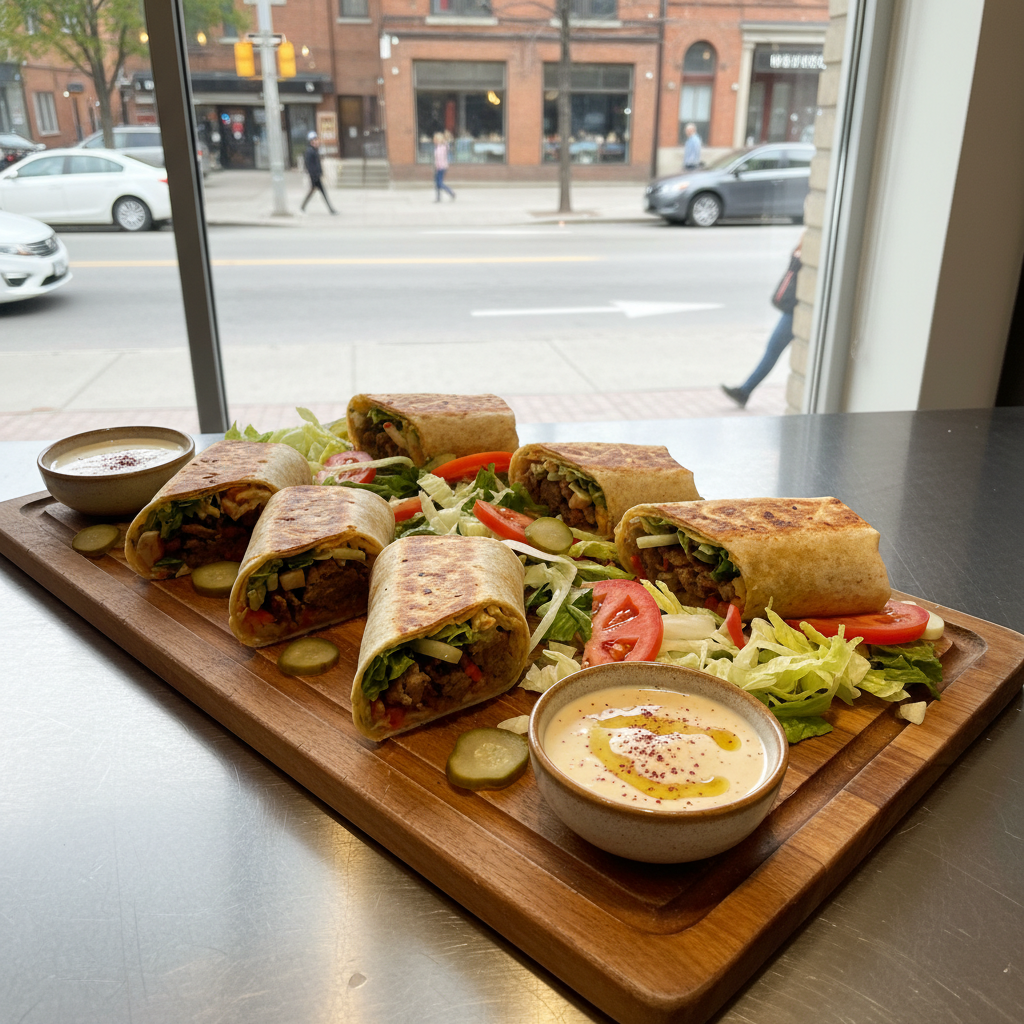
Craving that just-carved aroma and the first warm bite of fresh shawarma wraps? You’re in the right place. This complete guide blends authentic Turkish technique with real-world shortcuts from Shawarma Moose—Toronto’s modern quick-service Turkish and Mediterranean restaurant known for online ordering, fast delivery, efficient pickup, and full-service catering. Whether you’re cooking at home, feeding a family, or planning an office lunch, we’ll help you nail flavor, texture, timing, and service—without the stress.
Quick Summary
- What makes fresh shawarma wraps truly fresh: timing, heat, and tight rolling.
- Authentic Turkish process: marinade → rotisserie-style cook → slice-to-order → wrap.
- DIY restaurant-quality method using a skillet, oven-broiler, or grill—no spit required.
- Smart ordering in Toronto: delivery, pickup, or catering (with halal-friendly options).
- Event playbook: labeled assortments, sauces on the side, and line-speed tips.
Table of Contents
- Quick Answer
- What Are Fresh Shawarma Wraps?
- Why Fresh Shawarma Wraps Matter
- How Authentic Turkish Shawarma Works
- DIY: Make Fresh Shawarma Wraps at Home (Step-by-Step)
- Wrap Styles, Breads, and Portioning
- Flavor Combos, Sauces, and Pairings
- Best Practices for Restaurant-Quality Results
- Tools, Ingredients, and Checklists
- Hosting & Operations: Timelines and Flow
- Catering Playbook (Toronto Events)
- Real-World Examples and Mini Case Studies
- FAQ
- Conclusion + Key Takeaways
- Related Topics to Explore
Quick Answer
Fresh shawarma wraps are warm lavash or pita filled with just-sliced, marinated meat, crisp veggies, and balanced sauces. In Toronto, Shawarma Moose prepares wraps using authentic Turkish methods; when you want that same freshness fast, order delivery, schedule pickup, or book catering from our quick-service kitchen—no cleanup required.
Local Tips
- Tip 1: Navigating downtown near Union Station or the Financial District? Time your pickup a bit before the lunch rush to keep bread warmer and lines shorter—especially if you’re darting to meetings via the PATH.
- Tip 2: Toronto winters cool food quickly. Choose delivery with insulated packaging and pre-warm a baking sheet at low heat (about 200°F) to hold wraps for guests.
- Tip 3: For corporate catering across the PATH or near city corridors like the Gardiner and Don Valley Parkway, ask for labeled assortments (chicken, beef, veggie) and sauce trays to speed the line and support dietary choices.
Why this works: Shawarma Moose runs a modern quick-service flow with online ordering, delivery, pickup, and full-service catering—built for busy schedules.
What Are Fresh Shawarma Wraps?
“Fresh” in fresh shawarma wraps is about technique and timing—not just ingredients.
- Just-sliced protein: Carved moments before assembly, so edges stay crisp and centers stay juicy.
- Warm, pliable bread: Lavash or pita warmed seconds before rolling keeps wraps soft and intact.
- Chilled, crunchy veggies: Lettuce, tomatoes, onions, parsley, and pickles add snap and balance.
- Balanced sauces: Garlic, tahini, or yogurt-herb dressings tie flavor together without soaking bread.
- Authentic spice profile: Turkish-inspired marinades deliver savory, citrusy depth.
That’s the base standard at Shawarma Moose—traditional Turkish flavor with the speed of a modern quick-service restaurant, optimized for delivery, pickup, and catering.
Why Fresh Shawarma Wraps Matter
Beyond taste, great wraps solve real-world problems for families, teams, and event planners in Toronto.
- Quality on tight schedules: Authentic flavor, built fast—great for busy professionals and parents.
- Halal-friendly options: Inclusive for mixed dietary groups without sacrificing flavor.
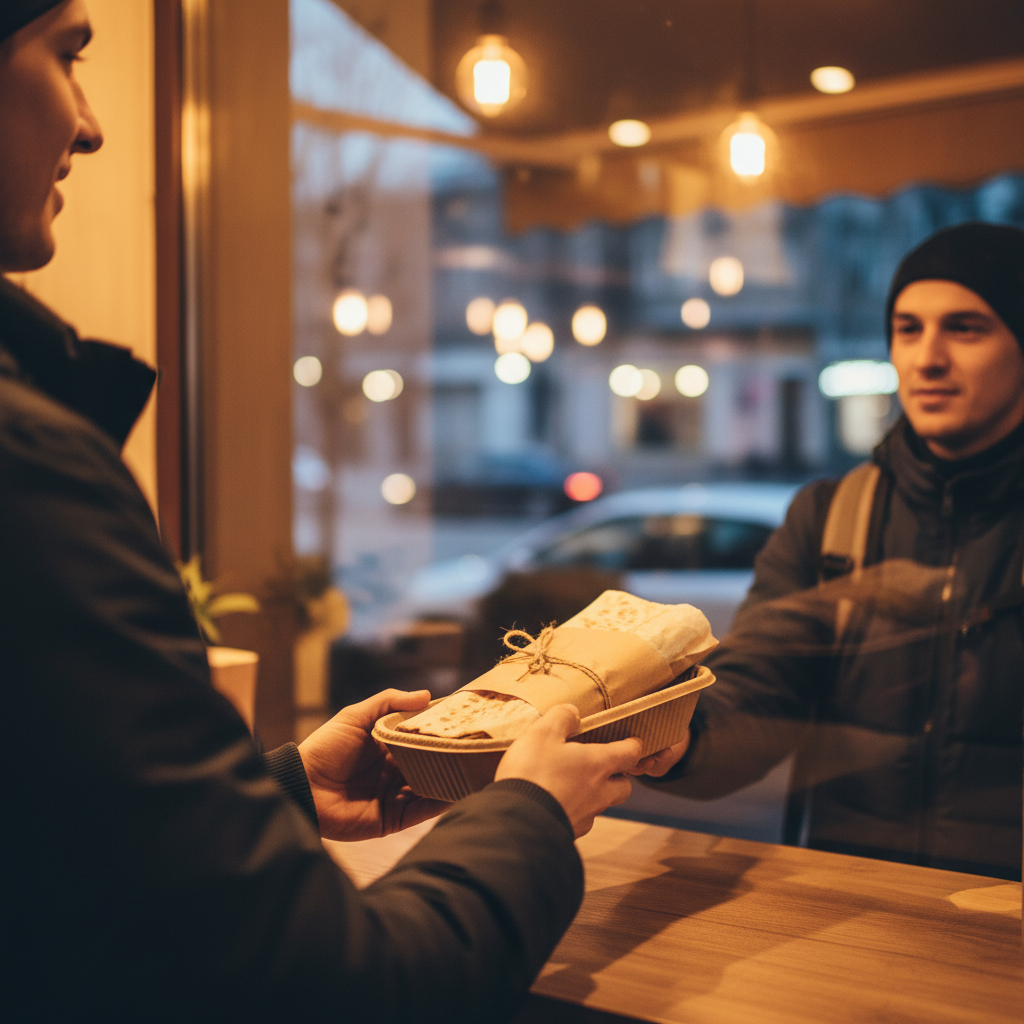
- Travel-ready food: Properly wrapped, they stay tidy for pickup and delivery.
- Customizable at scale: Easy to tailor per person or per tray for events.
- Minimal cleanup: Ideal for offices, classrooms, and meeting rooms.
For corporate clients, labeled assortments and sauces-on-the-side reduce friction and keep lines moving without spills.
How Authentic Turkish Shawarma Works
Understanding the method helps you appreciate the results—and copy them at home.
Marinade and Meat
- Flavor profile: Garlic, lemon, cumin, coriander, paprika, black pepper; yogurt for tenderness.
- Rest time: Longer marinades deepen flavor and moisture (overnight is ideal).
- Layering: Thin slices are stacked for shawarma’s signature texture and char.
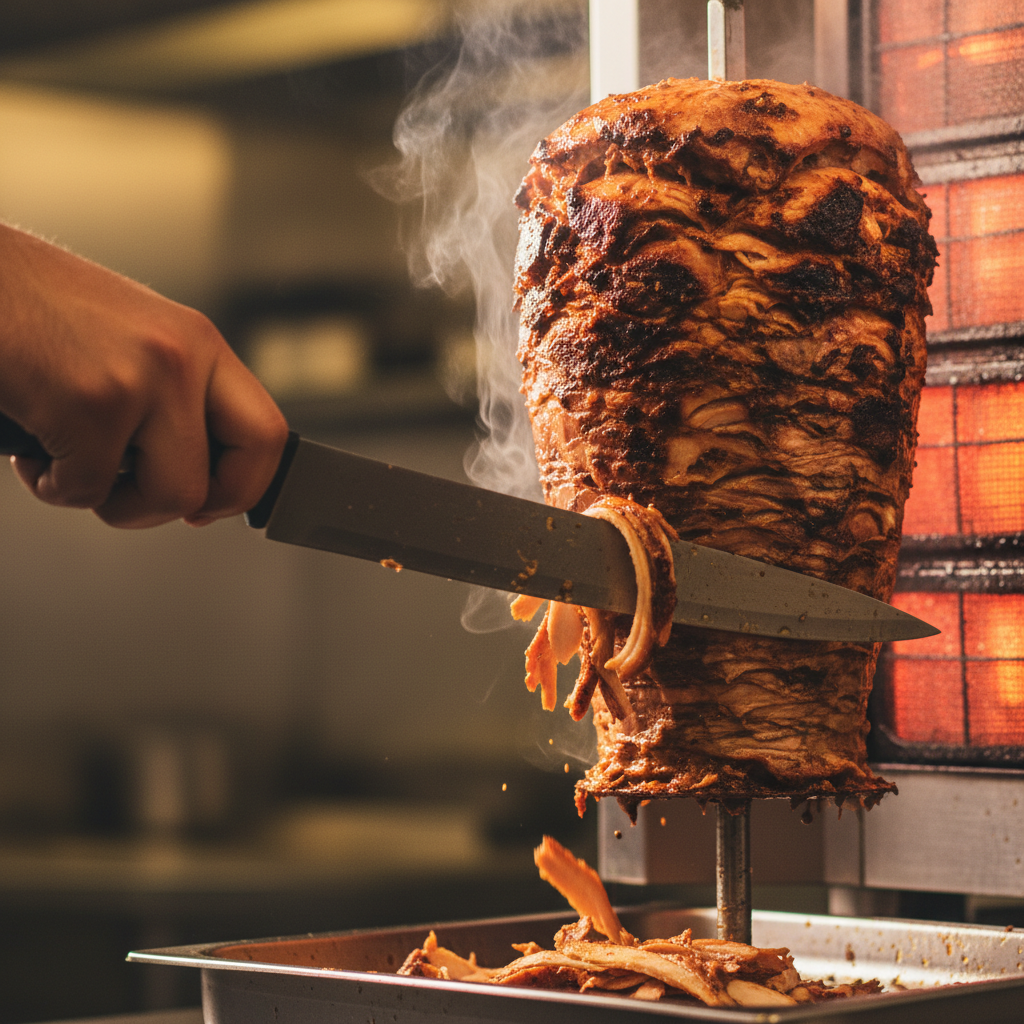
Rotisserie-Style Cooking
- Even roasting: Slow rotation near heat crisps the outside while keeping the interior juicy.
- Slice to order: Shaving thin, hot pieces preserves heat and texture for each wrap.
- Fresh by design: The process keeps every bite just-made.
Assembly and Wrap Technique
- Warm the bread: A few seconds on a hot surface keeps lavash or pita pliable.
- Thoughtful stacking: Protein → veggies → sauces to avoid soggy bread.
- Tight roll + rest: Fold sides, roll firmly, rest seam-side down so the wrap sets.
Quality Controls (What Pros Watch)
- Moisture balance: Over-saucing leads to soggy bread; under-saucing dulls flavor.
- Heat zones: Protein hot, bread warm, veggies cold—each zone preserves texture.
- Slice size: Thin, irregular shavings maximize crispy edges and juicy centers.
DIY: Make Fresh Shawarma Wraps at Home (Step-by-Step)
No rotisserie? You can still borrow professional habits for restaurant-level flavor.
Prep and Marinade (15 minutes active + rest)
- Protein: Boneless chicken thighs or thin-sliced beef.
- Marinade base: Garlic, lemon juice, olive oil, cumin, coriander, paprika, black pepper, salt; yogurt optional.
- Rest time: 30 minutes minimum; overnight is ideal for depth.
Cook Options
- Skillet sear (quick):
- Heat a heavy pan to high; add marinated slices in a single layer.
- Let edges caramelize; flip once; cook through without crowding.
- Hold on a rack-lined baking sheet so edges stay crisp.
- Oven + broiler (hands-off):
- Roast at high heat until nearly cooked; finish briefly under the broiler for char.
- Grill (smoky):
- Use a perforated grill pan; high heat yields great char without losing small pieces.
Warm-Hold, Stage, and Roll
- Warm bread stack: Layer lavash or pita with parchment; wrap in a towel.
- Veggies cold and dry: Lettuce, tomatoes, onions, parsley, pickles.
- Sauces ready: Garlic, tahini, or yogurt-herb in squeeze bottles or small bowls.
- Build order: Meat first → crunchy veg → drizzle of sauce.
- Roll tight: Fold sides, roll firmly, rest seam-side down ~60 seconds.
Simple Sauce Ideas (No-fuss)
- Garlic sauce: Yogurt or mayo base with crushed garlic, lemon, and a pinch of salt.
- Tahini: Tahini paste whisked with lemon, warm water, salt, and a touch of garlic.
- Herb yogurt: Plain yogurt, chopped dill/parsley, lemon zest, and black pepper.
Common DIY Mistakes (and Fixes)
- Soggy bread: Too much sauce or wet veggies. Dry components; sauce lightly.
- Tough meat: Skipped marinade or overcooked. Marinate longer and manage heat.
- Falling apart: Cold bread or loose roll. Warm flatbread and roll tighter.
- Flat flavor: Under-seasoned marinade. Balance salt, acid, and spice.
Prefer to taste the real thing before trying DIY? Explore the texture and layering in our chicken shawarma wrap—a reliable reference if you’re recreating at home.
Wrap Styles, Breads, and Portioning
Choose bread and format based on how you’ll eat and serve.
- Lavash roll: Thin, flexible, ideal for tight, burrito-style wraps.
- Best for: Grab-and-go lunches; office settings; picnics.
- Tip: Warm both sides briefly to prevent cracking during the roll.
- Pita pocket: Familiar bite with a soft, slightly thicker chew.
- Best for: Classroom or quick-serve lines—easy to hold, minimal mess.
- Tip: Don’t overfill; pockets tear when overloaded.
- Plate-style (no bread): All the fillings sans wrap.
- Best for: Gluten-sensitive guests; mix-and-match buffet plates.
- Tip: Offer extra salad, pickles, and sauces to balance texture.
| Bread | Texture | Best Use | Watch Out For |
|---|---|---|---|
| Lavash | Thin, flexible | Tight rolls, grab-and-go | Cracking if cold or dry |
| Pita | Soft, thicker | Pocket-style, tidy eating | Tearing if overfilled |
| No bread | N/A | Buffets, dietary needs | Extra staging for sides |
Flavor Combos, Sauces, and Pairings
Lean on Turkish flavor logic: savory + acid + herb + crunch.
Protein Choices
- Chicken shawarma: Tender and crowd-pleasing; pairs with garlic sauce.
- Order inspiration: See our chicken shawarma wrap build.
- Beef shawarma: Rich, savory; great with tahini or yogurt.
- Hearty option: Try the beef shawarma wrap for a robust profile.
- Vegetarian (falafel-style): Crunch-forward; rely on pickles, onions, herbs, and sauces.
- Meatless classic: Explore our falafel wrap for texture ideas.
10 Flavor Combos People Love
- Classic Chicken + Garlic + Pickles (lavash roll)
- Beef + Tahini + Sumac Onions (pita pocket)
- Chicken + Yogurt-Herb + Parsley (lavash)
- Beef + Garlic + Chili Flakes (pita)
- Veggie + Tahini + Pickled Turnips (lavash)
- Chicken + Tahini + Cucumber (pita)
- Beef + Garlic + Tomato-Onion (lavash)
- Chicken + Garlic + Sumac + Parsley (pita)
- Veggie + Yogurt-Herb + Herbs (lavash)
- Mixed Chicken/Beef Platter (plate-style with sauces)
Sauce Matrix (What to Pair and Why)
- Garlic sauce → Bright, creamy, and sharp—balances juicy chicken.
- Tahini → Nutty depth—grounds beef’s richness; great with pickles.
- Yogurt-herb → Cooling finish—excellent with spicy notes or char.
Want to see an ingredient breakdown for wraps? This ingredients overview walks through typical components found across Toronto menus (handy if you’re planning a large group with varied tastes).
Best Practices for Restaurant-Quality Results
Borrow these habits from Shawarma Moose’s quick-service flow for consistent results.
- Slice to order: Small batches preserve heat and texture.
- Heat zones: Keep protein hot, bread warm, veggies cold.
- Staging: Simple line: meat → veg → sauce → wrap and rest.
- Moisture control: Dab meat if overly juicy; sauce sparingly.
- Labeling: Mark chicken/beef/veggie and allergens for groups.
- Transport savvy: Use foil or parchment for tight, breathable wraps.
- Hold smart: If you must hold, do it briefly at low heat; avoid steaming.
Hosting Tips
- Pre-chop vegetables: Store dry with a paper towel for crispness.
- Warm-hold flatbreads: Parchment between layers; wrap in a towel.
- Batch sauces: Chill and stir before service for smooth texture.
- Traffic flow: Position sauces last to prevent bottlenecks and spills.
Delivery, Pickup, or Catering?
| Option | Best For | Why It Works |
|---|---|---|
| Delivery | Home meals, small teams | No prep; arrives hot and ready |
| Pickup | On-the-way lunches | Exact timing; maximum freshness |
| Catering | Meetings and events | Labeled assortments; smooth lines |
Tools, Ingredients, and Checklists
Use this to cook confidently—or to order like a pro in Toronto.
Home Kitchen Tools
- Heavy skillet or grill pan: High-heat searing for crisp edges.
- Baking sheet + rack: Hold sliced meat warm without steaming.
- Chef’s knife + tongs: Thin slices and precise handling.
- Foil or parchment: Wrap and rest seam-side down before serving.
Essential Ingredients
- Protein: Chicken thighs or beef, sliced thin.
- Marinade: Garlic, lemon, spices, olive oil; yogurt optional.
- Flatbread: Lavash or pita, warmed just before rolling.
- Veggies: Lettuce, tomatoes, onions, parsley, pickles.
- Sauces: Garlic, tahini, or yogurt-herb.
Ordering Shortcuts (Toronto)
- Delivery: Choose insulated delivery; warm plates at home for best texture.
- Pickup: Align with break or meeting start to serve hot.
- Catering: Request labeled trays and sauce cups for clean, quick service. For compact events, look at our convenient to-go wrap box.
- T–48 to T–24 hours: Confirm headcount, pick proteins, and prep marinades.
- T–12 hours: Marinate proteins (overnight ideal); chop non-wilty veggies.
- T–2 hours: Set up stations (protein, veg, sauces, bread); warm-hold flatbreads.
- T–30 minutes: Cook or reheat proteins; stage serving area; open sauce lids.
- Service: Build to order; rest wraps seam-side down; label and line-flow.
- 2–5 days out: Confirm headcount, protein split (chicken/beef/veggie), and dietary notes.
- 24 hours out: Finalize pickup/delivery window to avoid downtown traffic spikes.
- Day of: Stage serving area: plates first, then wraps, then sauces; trash/recycling placed last.
- Service tips: Use simple signage (protein labels) and keep sauce lids off for quick flow.
Want it handled end-to-end? Our team regularly supports downtown offices and neighborhood events with labeled assortments and quick line setups.
Real-World Examples and Mini Case Studies
True-to-life snapshots that match Shawarma Moose’s target audiences in Toronto.
- Downtown working lunch (6 people): Early pickup avoided lines; wraps stayed hot and bread soft.
- Midtown family movie night: Delivery with a pre-warmed sheet pan kept wraps cozy while serving.
- Tech team sprint review (12 people): Mixed chicken/beef with veggie options; sauces on the side reduced spills.
- Corporate town hall (large group): Labeled catering trays and separate sauces moved lines quickly.
- Teacher appreciation day: Pita pockets made classroom cleanup easy.
- Community meetup: Plate-style options welcomed gluten-sensitive guests.
- Late-night study session: Pickup timed to break windows; no leftovers went cold.
- Outdoor picnic at a city park: Lavash held shape well; pickles and herbs kept flavors bright.
- Holiday office potluck: Assorted wraps fit many tastes without requiring reheats.
- Board meeting lunch-and-learn: Neatly labeled wraps minimized interruptions.
FAQ
- How do I keep wraps from getting soggy? Warm the bread, layer proteins first, add crisp veggies, and drizzle sauces lightly. Rest seam-side down for 60 seconds before serving.
- Are there halal-friendly options? Yes—shawarma is a popular choice for halal-focused diners and mixed groups. If you’re hosting, ask about ingredients and prep so guests feel confident.
- What’s the best bread for rolling? Thin lavash rolls tightest; classic pita provides a familiar bite; plate-style works for gluten-sensitive guests.
- Can I order for a last-minute meeting? Quick-service operations are built for speed. For larger meetings, provide headcount and protein preferences to streamline prep and labeling.
- Is shawarma the same as gyro? They’re cousins with different marinades and regional traditions. Turkish shawarma uses its own spice balance and vertical roasting style.
Conclusion + Key Takeaways
- Fresh shawarma wraps shine when meat is sliced to order, bread is warm, and sauces are balanced.
- DIY at home: Heat control, tight rolling, and moisture management are everything.
- Ordering: Delivery, pickup, and catering from a quick-service kitchen make authentic Turkish flavor effortless.
Ready to try specific builds? Start with the textures and sauces in our chicken shawarma wrap or the heartier profile of our beef shawarma wrap. Prefer vegetarian? Explore the crunch and herbs in our falafel wrap.
Key Takeaways
- Authentic Turkish technique creates better texture and deeper flavor.
- Smart staging prevents soggy bread and keeps veggies crisp.
- For groups, labeled assortments and sauces on the side are your best friend.
Related Topics to Explore
- Shawarma vs. gyro: flavor and marinade differences.
- Halal-friendly menu planning for mixed groups.
- Pickup timing strategies during downtown rush hour.
- How to label and stage a self-serve lunch for speed.