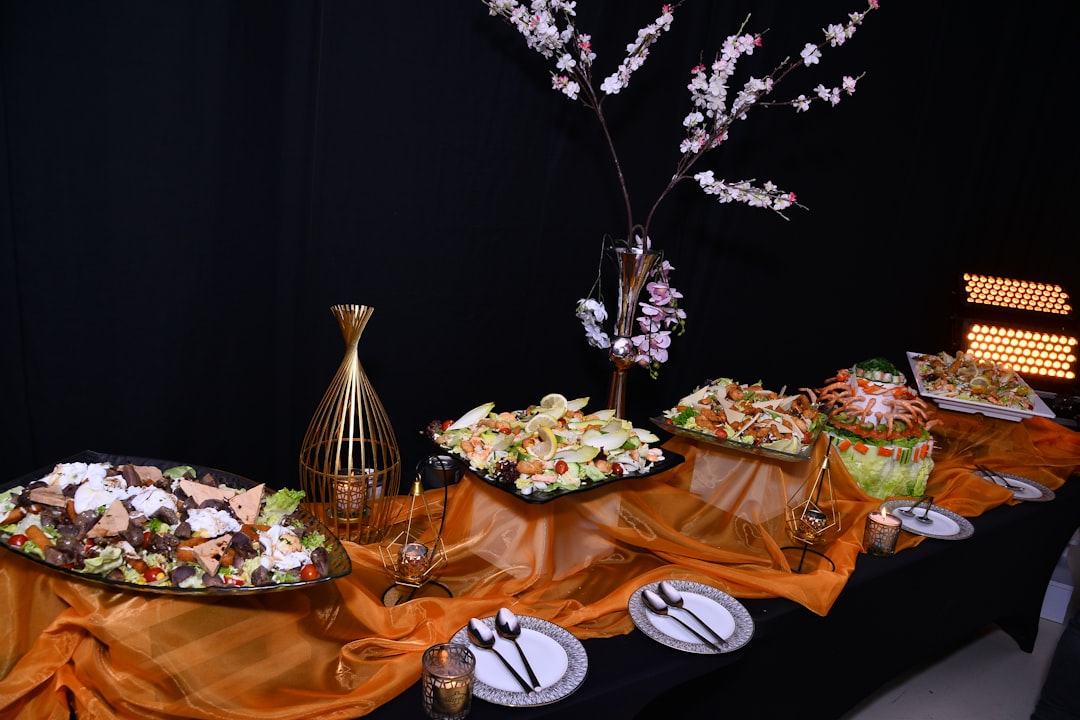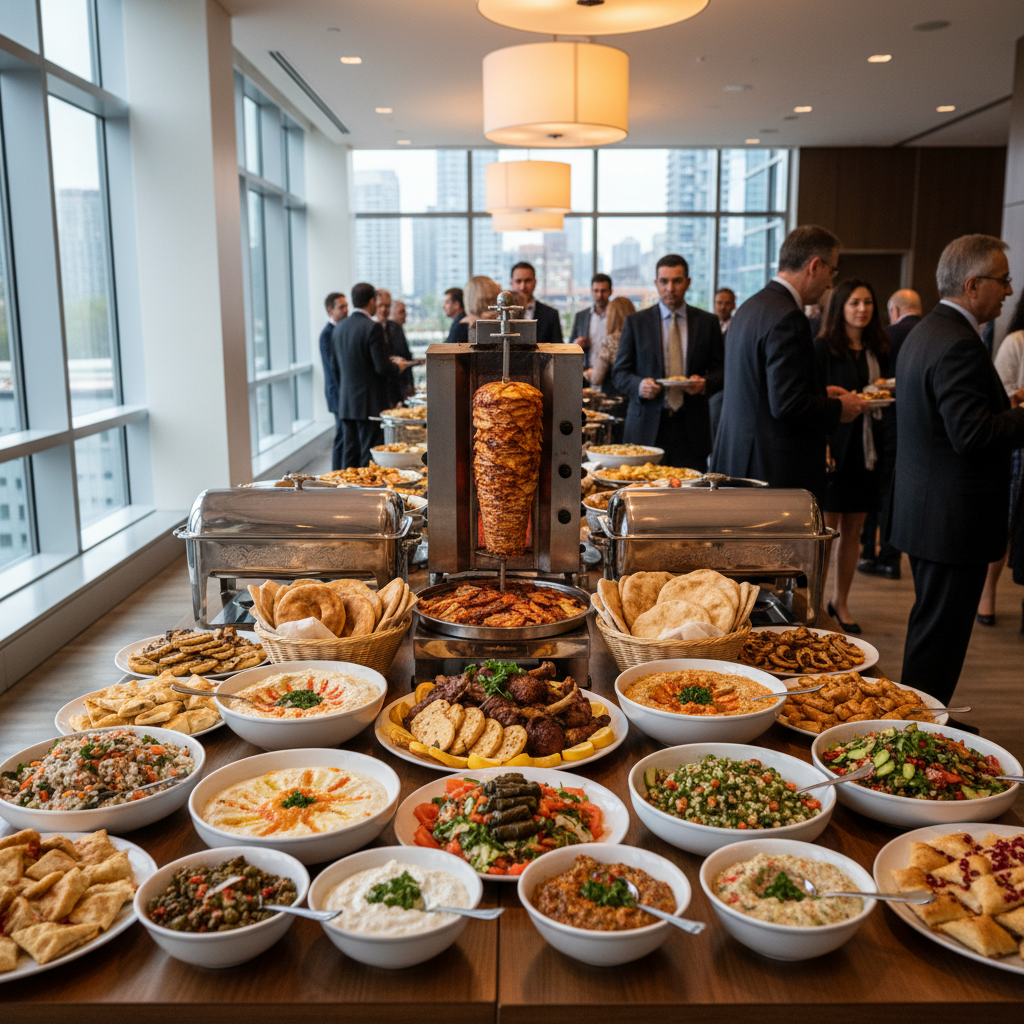
Big event on your calendar in Toronto? Event catering menu planning is the difference between a forgettable spread and a lineup-your-guests-love. This complete guide, built around shawarma and Turkish cuisine from Shawarma Moose at 898 College St, shows you how to plan a balanced, crowd-pleasing menu that travels well, serves fast, and covers diverse diets—without stress.
At a Glance
- Design a menu guests remember: hot mains, fresh salads, and bold sauces set the tone.
- Pick a service style that matches your room: buffet, boxed, or stations.
- Account for halal, vegetarian, vegan, and gluten-friendly paths from the start.
- Lock logistics early: delivery window, access route, and a simple table map.
- Use the checklists and templates below so setup takes minutes, not hours.
Quick Answer
For Toronto hosts near 898 College St, event catering menu planning works best when you match headcount and dietary needs to a simple, flavorful shawarma-and-mezze spread—delivered hot by Shawarma Moose, which caters corporate and private events across the city.
Local Tips
- Tip 1: Use College St loading spots near Dovercourt to speed drop-offs; share elevator bookings for downtown towers so hot trays reach your floor quickly.
- Tip 2: Spring and fall fill up fast. Lock your delivery window early and buffer for traffic on the Gardiner or DVP if your venue is east/west of downtown.
- Tip 3: Many Queen West and U of T offices request compostable trays—ask us to pack eco-friendly and clearly label halal, vegetarian, and gluten-friendly items.
IMPORTANT: Text a direct contact number and floor access notes to ensure a smooth handoff.
- What Is Event Catering Menu Planning?
- Why It Matters
- How It Works (Step-by-Step)
- Service Styles
- Menu Design Best Practices
- Tools, Templates, and Resources
- Case Studies & Examples
- Logistics & Day-Of Checklist
- FAQ
What Is Event Catering Menu Planning?
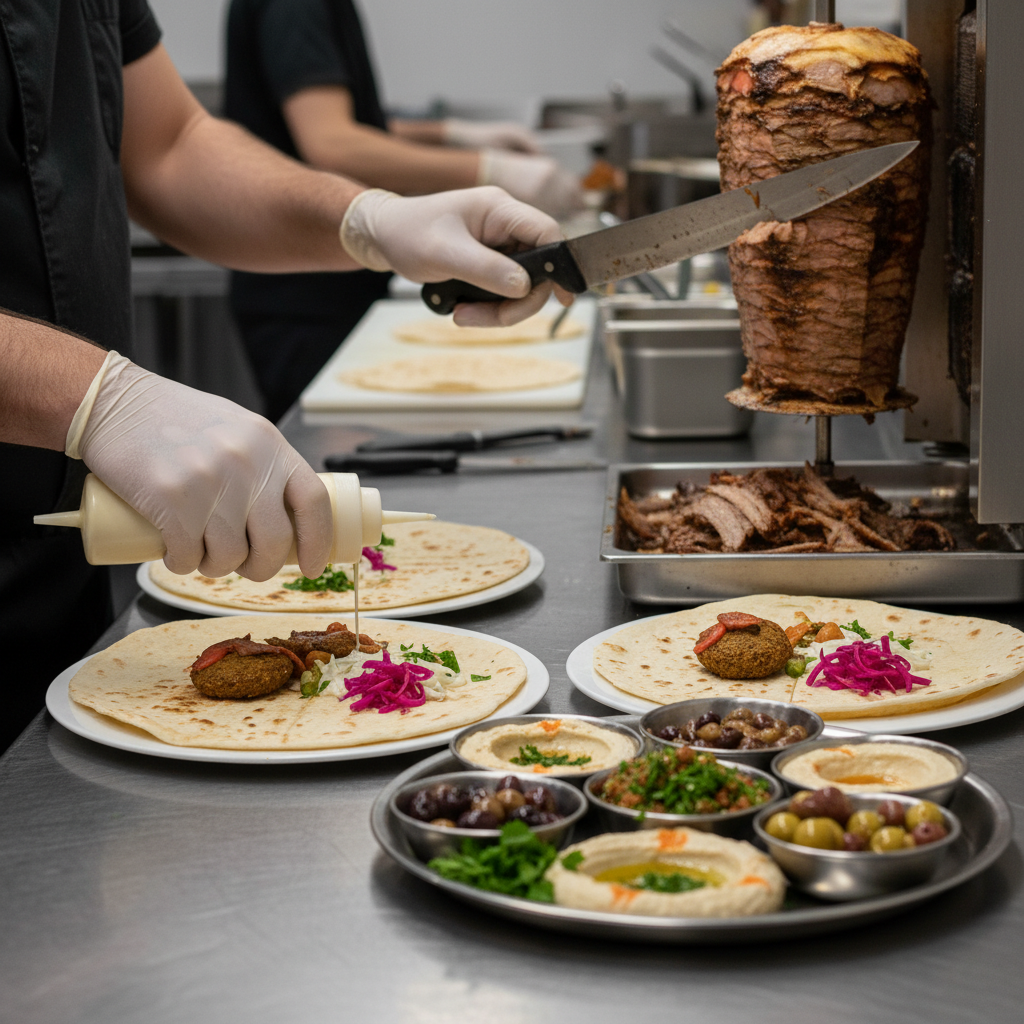
It’s the process of translating guests, goals, and venue constraints into a right-sized, well-sequenced food plan that delivers on taste, flow, and dietary coverage.
- Inputs to gather:
- Headcount (confirmed and tentative) and schedule (serve time, breaks, run of show)
- Dietary mix (halal, vegetarian, vegan, gluten-friendly, nut-aware)
- Venue rules (loading, elevators, table sizes, power access, open flame restrictions)
- Event purpose (training, board lunch, reception, all-hands, celebration)
- Service resources (staffing, volunteers, tableware, trash/compost availability)
- Outputs you need:
- A clearly itemized menu with portion counts per guest
- A chosen service style: buffet, boxed, or stations
- A delivery-and-setup plan with a simple table map
- Labels for every dish with dietary icons and allergen notes
- Why it matters:
- Prevents shortages, long lines, and cold food
- Signals care and hospitality for clients and teams
- Makes it easy for hosts to focus on the program, not plates
Shawarma Moose’s dual model (everyday ordering plus corporate and private catering) means we’re set up for smooth delivery and clear labeling. If you’re after a turnkey option, our corporate catering menu and catering in Toronto options give you proven combinations that scale.
Why Event Catering Menu Planning Matters
Your menu is more than food—it’s flow, inclusion, and brand experience.
- Experience drives memory: Guests remember hot mains, crisp salads, and easy-to-read labels more than fancy centerpieces.
- Operational relief: A tight plan frees planners to host, present, and network.
- Inclusive hospitality: Visible halal, vegetarian, vegan, and gluten-friendly paths make everyone feel welcome.
- Brand impact: For corporate teams, thoughtful catering signals detail and care.
Toronto-Specific Considerations
- Transit and timing: Plan around College St, Queen West, the Gardiner, and the DVP to hit serve times on the dot.
- Venue diversity: From loft offices to gallery spaces, choose a service style that fits the room.
- Seasonality: Summer patios love handheld wraps; winter favors hearty bowls with rice and roasted veggies.
Here’s the thing: great planning shows up in the small moments—like labeling a falafel bowl gluten-friendly, or staging a second sauce set mid-line so traffic doesn’t stall. Those touches turn “lunch” into “that lunch.”
How Event Catering Menu Planning Works (Step-by-Step)
Use this sequence to nail the fundamentals and avoid last-minute scrambles.
- Define the event goal: training day, client pitch, all-hands, reception, or celebration. Your goal guides service style and pacing.
- Gather inputs: headcount, dietary survey, serve time, venue rules (loading, table sizes, power), and room flow.
- Pick your service style: buffet for speed and choice, boxed for workshops, or stations for interaction.
- Draft the menu: mains (e.g., chicken shawarma/falafel), sides (rice/potatoes), salads (cucumber-tomato, fattoush), sauces (tahini, garlic), dessert (baklava), beverages.
- Right-size portions: use per-guest targets and add a comfort buffer for seconds (no pricing—just plan volume wisely).
- Lock logistics: choose a delivery window, share access notes, sketch a table map, and assign a point person.
- Confirm and label: finalize counts 48–72 hours out; prepare clear labels with dietary icons.
- Run of show: minute-by-minute plan from arrival to cleanup so volunteers know exactly what to do.
Example Scenarios (Right-Sized)
- Board lunch (25): Individually boxed bowls—half chicken shawarma, half falafel—with cucumber-tomato salad and hummus; serve from a credenza for quick set/clear.
- All-hands (120): Twin buffet lines with duplicated proteins and sauces; place salads first to speed the line.
- Gallery reception (60): Mezze-first layout for mingling; mini wraps pre-halved for neat, one-handed bites.
Need a ready-made framework? Our buffet-style office catering guide shows a proven table map and flow that reduce bottlenecks.
Service Styles and When to Use Them
Match the format to your room, schedule, and staffing.
| Style | Best For | Pros | Watch Outs |
|---|---|---|---|
| Buffet | 60–250 guests, open spaces | Fast throughput, guest choice, easy refills | Line management; consider sneeze guards if required by venue |
| Individually Boxed | Trainings, workshops, rooms with limited table space | Easy distribution and portion control; minimal setup | More packaging; labeling precision is essential |
| Stations | Receptions and longer events where mingling matters | Interactive, fresh assembly, menu theater | Staffing and outlet access for warmers |
Applying to Shawarma & Turkish Cuisine
- Buffet: Carved shawarma, seasoned rice, salads, warm pita, tahini/garlic sauces, pickled turnips, lemon wedges.
- Boxed: Chicken or falafel bowls with cucumber-tomato salad and hummus; utensils inside for easy distribution.
- Stations: Wrap-rolling station with toppings and labeled sauces; great for receptions and open houses.
Best Practices for Menu Design
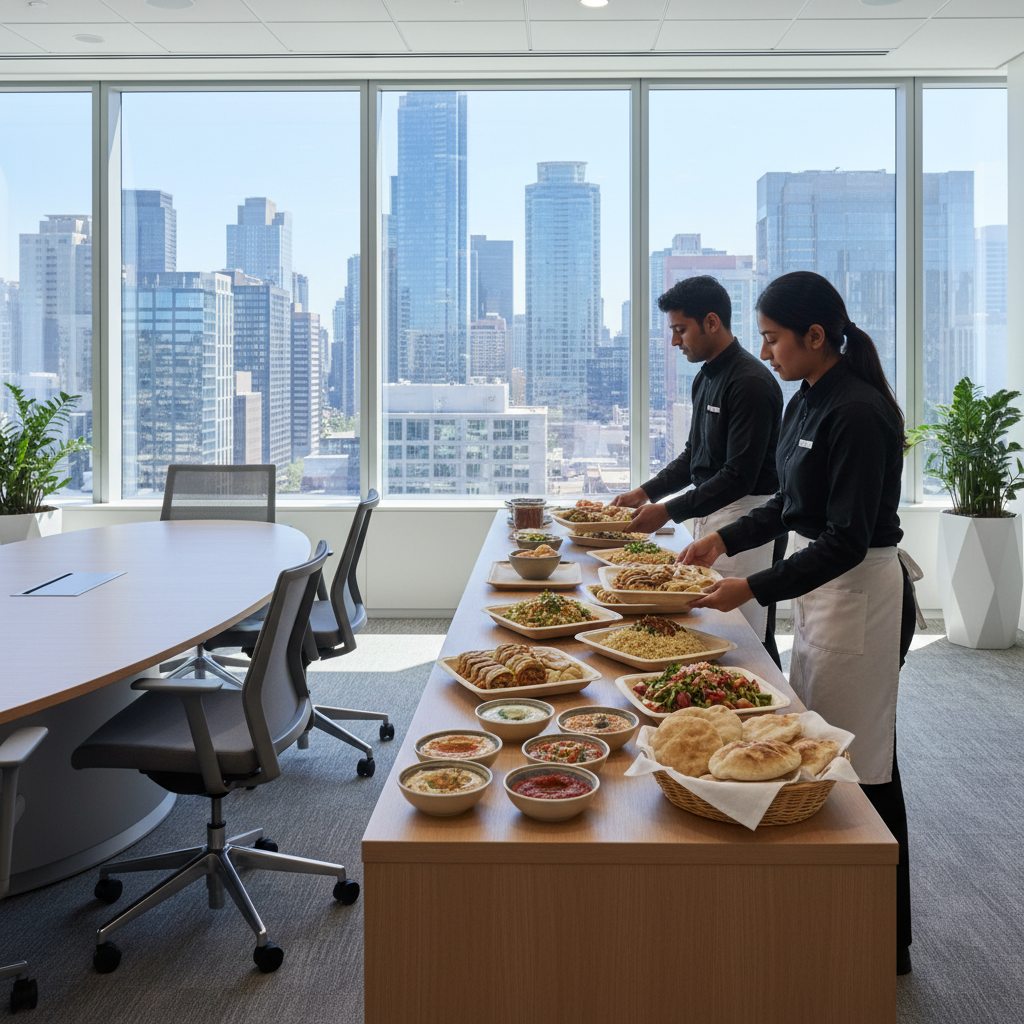
Build a menu that feels generous, inclusive, and easy to serve.
Balance the Plate
- Two proteins minimum: e.g., chicken shawarma and falafel (vegan) so everyone has a satisfying option.
- Two hearty sides: seasoned rice and roasted potatoes or bulgur for staying power.
- Fresh salads: cucumber-tomato, fattoush, or shepherd’s salad add crunch and acidity.
- Flavor bridges: tahini, garlic sauce, hot sauce, and lemon wedges let guests dial in taste.
- Handheld + bowl mix: wraps for mingling, bowls for seated agendas.
Cover Dietary Needs Thoughtfully
- Halal-first mindset: Choose halal-friendly proteins and mark them clearly on labels.
- Vegetarian & vegan: Falafel, roasted vegetables, and grain-based salads should be visible and abundant.
- Gluten-friendly: Offer bowls without pita; confirm cross-contact handling if needed.
- Nut-aware: Keep nuts off the main line; offer on the side if requested and label prominently.
Engineer the Line for Speed
- Duplicate stations when you’re over 100 guests to cut waits in half.
- Pre-slice wraps for receptions; halves are neater and encourage tasting variety.
- Place salads early so plates don’t bottleneck at proteins.
- Use a table map so every tray has a home before it arrives.
Want a done-for-you layout? Our shawarma catering overview shows how we stage proteins, salads, and sauces for fast, friendly flow.
Tools, Templates, and Resources
Steal these frameworks and customize for your event.
- Headcount worksheet: track RSVPs, dietary flags, and a no-shows buffer (keep it simple).
- Portion guide: set baseline servings per guest and add a small cushion for seconds.
- Label kit: item name, dietary icons (V, GF), allergen notes, and a short description.
- Run of show: time-stamped checklist from delivery to cleanup and leftovers.
Helpful Reading
For buffet line strategy and room flow ideas, see this Toronto-focused overview on planning buffet-style catering. Then map it to your venue’s tables and access points.
Ready to shortcut the work? You can pick from proven combinations on our corporate catering page and we’ll tailor labels and layout to your room.
Free 10-Minute Menu Fit Check
Unsure which mix of wraps, bowls, and mezze suits your agenda? Share your headcount, room, and dietary mix. We’ll recommend a balanced menu and a simple table map. Start with our Toronto catering options.
Case Studies & Real-World Examples
Here are practical menus, flows, and little tweaks that made a big difference.
1) Board Lunch at a Startup (25 guests)
- Goal: keep things tidy and on-time between back-to-back meetings.
- Menu: 50/50 chicken shawarma and falafel bowls, cucumber-tomato salad, hummus, tahini, lemon wedges.
- Service style: Individually boxed; set on a credenza with utensils inside each box.
- Outcome: 6-minute distribution; zero line; meeting resumed on schedule.
2) Quarterly All-Hands (120 guests)
- Goal: feed quickly during a 45-minute break.
- Menu: Carved shawarma, seasoned rice, fattoush, roasted potatoes, warm pita; tahini and garlic sauce at two points in line.
- Service style: Two parallel buffet lines with mirrored setups.
- Outcome: Wait times under 8 minutes; hot food stayed hot with staggered refills.
3) Gallery Reception (60 guests)
- Goal: maximize mingling and minimize mess.
- Menu: Mezze-forward table (hummus, baba ghanoush, olives, grape leaves), mini-wraps halved for neat one-handed bites, sparkling water and mint tea.
- Service style: Grazing table plus mini-wrap trays refreshed in waves.
- Outcome: Smooth social flow; no crowding; food as part of the artful vibe.
4) Film Crew Lunch (45 guests)
- Goal: fast, portable meals with clear labels by department carts.
- Menu: Boxed bowls (chicken or falafel), extra tahini, apples and dates; utensils packed inside.
- Outcome: Quick pickup and shift back on schedule; zero mix-ups.
5) University Open House (110 guests)
- Goal: inclusive options for diverse diets.
- Menu: Buffet with halal-first proteins, falafel trays, seasonal salads; sauces and lemon wedges at midpoints.
- Outcome: Great feedback on clarity of labels and flavor variety.
Logistics, Delivery, and Day-Of Checklist
A smooth handoff is planned long before the van pulls up.
- Delivery window: Target 30–60 minutes before serve time for hot items; store beverages and desserts separately.
- Access notes: Share loading dock, elevator booking, and any security requirements in writing.
- Staging map: Assign every tray a spot: plates first, salads next, proteins centered, sauces last.
- Labeling: Tent cards facing the line with item name and icons: V (vegetarian), GF (gluten-friendly), Halal.
- Utensils & serveware: Count tongs, ladles, and serving spoons by station; keep backups in a bin.
- Refill plan: Stagger protein and rice refills to keep items piping hot.
- Post-event: Bag compost, recycle, and designate foil for leftovers.
Day-Of Checklist
- On-site contact and mobile number confirmed
- Elevator/loading dock booking verified
- Table map taped under each table edge
- Power access checked if using warmers
- Gloves, sanitizer, napkins in a single, labeled bin
FAQ
How do I choose the right service style?
Match headcount and agenda. Buffets move faster for 80+ guests. Boxed meals suit trainings or rooms with limited table space. Action stations shine at receptions where guests mingle and you have outlet access for warmers.
What about dietary restrictions?
Plan at least one vegetarian/vegan pathway and one gluten-friendly option. Keep nuts off the main line; offer on the side if requested. Confirm halal handling for proteins and communicate any cross-contact questions in advance.
How far in advance should I finalize my menu?
For weekday corporate events, aim to lock headcount and menu 3–5 business days before. For larger receptions, confirm service style, labels, and layout earlier so delivery windows and staffing align.
How do I prevent long lines at the buffet?
Duplicate high-demand items at two points in the line. Pre-slice wraps for receptions. Put salads and cold items first, then proteins, then sauces. Consider two parallel lines for 120+ guests to cut waits in half.
What’s a simple backup plan if timing slips?
Keep a small buffer of shelf-stable snacks, extra plates, and utensils. Share two contact numbers for delivery and on-site leads. If traffic delays warm items, start with a mezze-first grazing setup while mains arrive.
Key Takeaways
- Start with goals, headcount, and dietary mix; the rest flows from there.
- Pick a service style that matches your room and agenda.
- Balance plates with proteins, grains, vegetables, and sauces.
- Engineer the line for speed with duplicates and clear labels.
- Lock logistics early and assign a point person for delivery and setup.
Next Steps
- Choose a base format (buffet, boxed, or stations) that fits your venue.
- Sketch a quick table map and list labels you’ll need (with icons).
- Share headcount, dietary mix, and a delivery window with our team.
Ready to plan with less guesswork? Explore our corporate catering options or start with our flexible Toronto catering menu. We’ll tailor a balanced spread and a simple run of show for your room.
Related Topics to Explore
- How to map buffet lines for speed in small offices
- When to choose boxed bowls over wraps for workshops
- Building an inclusive menu for mixed dietary needs
- Best practices for eco-friendly catering at downtown venues
Soft CTA: Hosting near College St, Queen West, or the University of Toronto? Book a quick menu-fit call and pick up or schedule delivery from 898 College St. Shawarma Moose caters corporate and private events across Toronto with authentic Turkish flavors, fast setup, and clear labels.