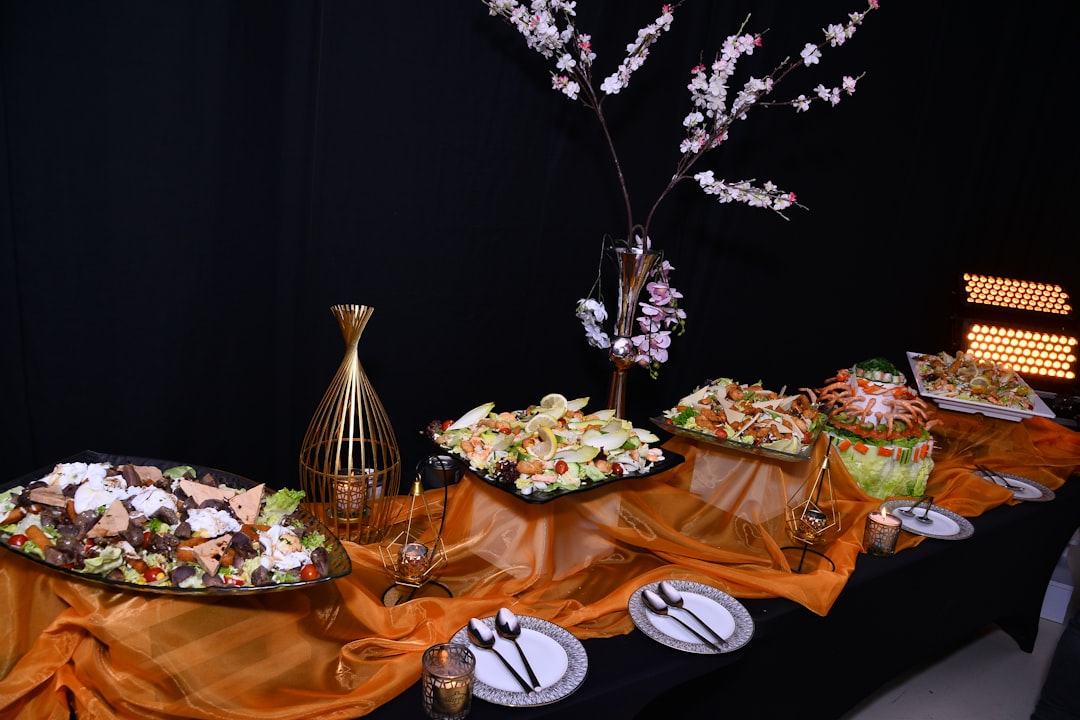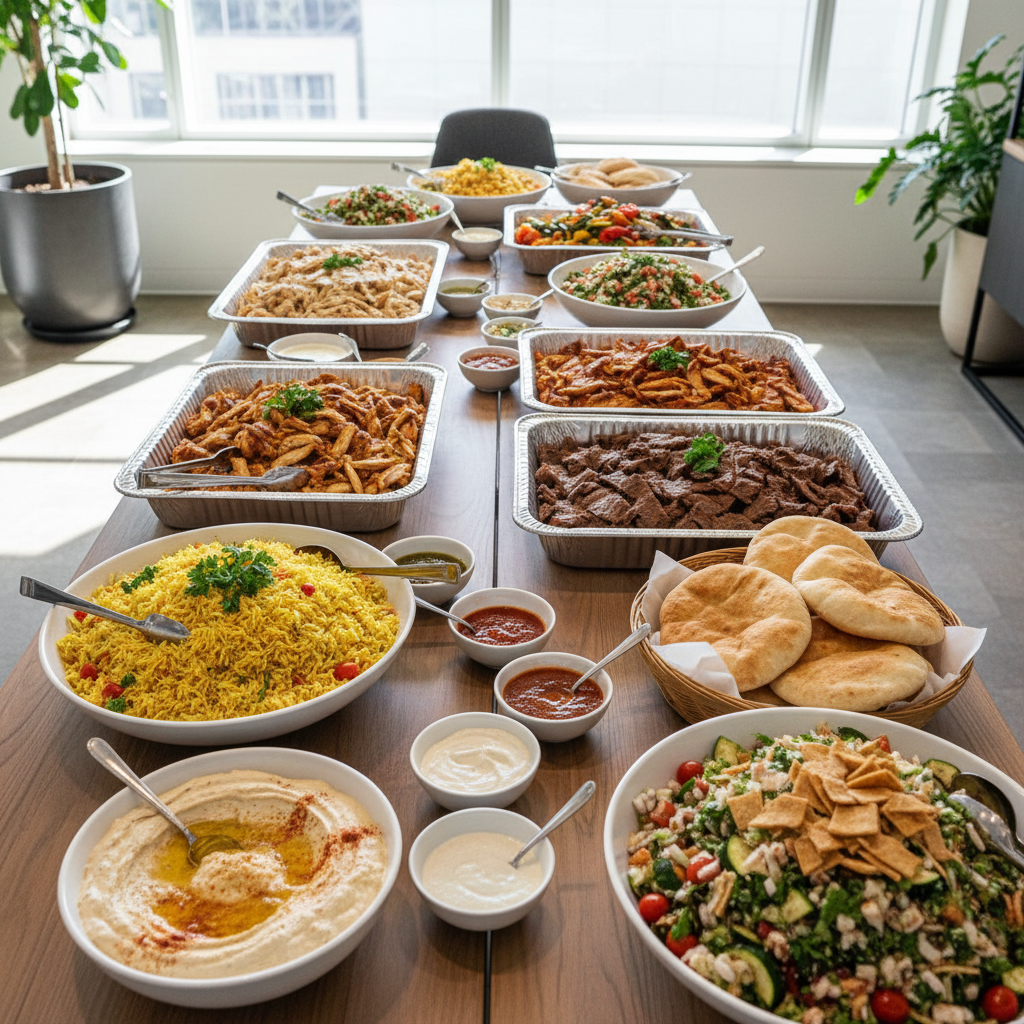
Making catering feel easy is the art of simplifying menu choices, headcounts, timing, and delivery so your event runs smoothly without last‑minute stress. The fastest path is a reliable partner near 898 College St in Toronto who offers online ordering, clear portions, and flexible formats. This guide shows how to make catering feel easy with Shawarma Moose.
By Vinay Sandhu • Last updated: May 5, 2026
Quick Summary
To make catering feel easy, align guest count and dietary needs with a simple, flexible format (buffet, boxed, or build-your-own), lock logistics two days out, and use online ordering. For Old Toronto events, choose a nearby provider for on-time delivery, hot holding gear, and clear labeling. Confirm a day-of point person.
Here’s the playbook you’ll follow throughout this guide.
- Choose the right format: buffet, boxed meals, or a build-your-own shawarma bar.
- Size portions smartly: plan 1.25–1.5 servings per guest; add 10% for big appetites.
- Lock dietary coverage: include halal, vegetarian, and gluten-friendly picks.
- Schedule for freshness: delivery time = guest arrival minus 20–30 minutes.
- Label clearly: proteins, allergens, and spice levels reduce line slowdowns.
- Assign a floor captain: one person manages drop-off and setup flow.
- Order online: use a provider with delivery, pickup, and corporate/event options.
Introduction
Catering feels easy when you remove guesswork from menu planning, portions, and timing. For Toronto planners, a nearby kitchen with online ordering, halal options, and proven event support lightens the load. This guide shows exactly how to plan, order, and serve crowd-pleasing Turkish and shawarma dishes with minimal effort.
We built this guide around real services Shawarma Moose provides to local planners—from everyday pickup orders to full corporate catering. You’ll learn:
- How to match event goals to buffet, boxed, or build-your-own stations
- Portioning rules that prevent both shortages and waste
- Delivery timing, room set-up, and food safety must-dos
- Dietary coverage strategies that keep every guest included
- Troubleshooting moves for late RSVPs, delays, and space constraints
Before You Start (Prerequisites)
Start by clarifying headcount, dietary needs, serve style, and delivery window. These four inputs drive menu selection and logistics. When you know them early, you order faster, portion confidently, and avoid day-of surprises—turning a complex plan into a straightforward checklist.
Key information to gather
- Guest headcount: confirm a realistic number; add a 5–10% buffer.
- Dietary profile: halal, vegetarian, vegan, gluten-friendly, and dairy-free needs.
- Serving format: buffet, boxed meals, or build-your-own shawarma bar.
- Timing: delivery or pickup window, service length, and speaker breaks.
- Space and gear: table lengths, outlets, and handwashing access.
How Shawarma Moose fits
- Local kitchen: proximity to Old Toronto helps keep food hot and on time.
- Online ordering: simple checkout for delivery or pickup with clear notes.
- Menu coverage: halal proteins, vegetarian platters, salads, and gluten-friendly sides.
- Event-ready packaging: trays, labels, and hot-holding compatibility.
When clients give us these inputs up front, we can suggest the right mix of shawarma proteins, mezze, grains, and salads in minutes. That’s one way how to make catering feel easy—by standardizing the first decisions you have to make.
Step-by-Step Process
Follow this seven-step plan: define format, map portions, finalize menu, schedule logistics, confirm dietary labels, stage the room, and assign a day-of lead. Each step is short and concrete, so you can move from planning to plating without friction.
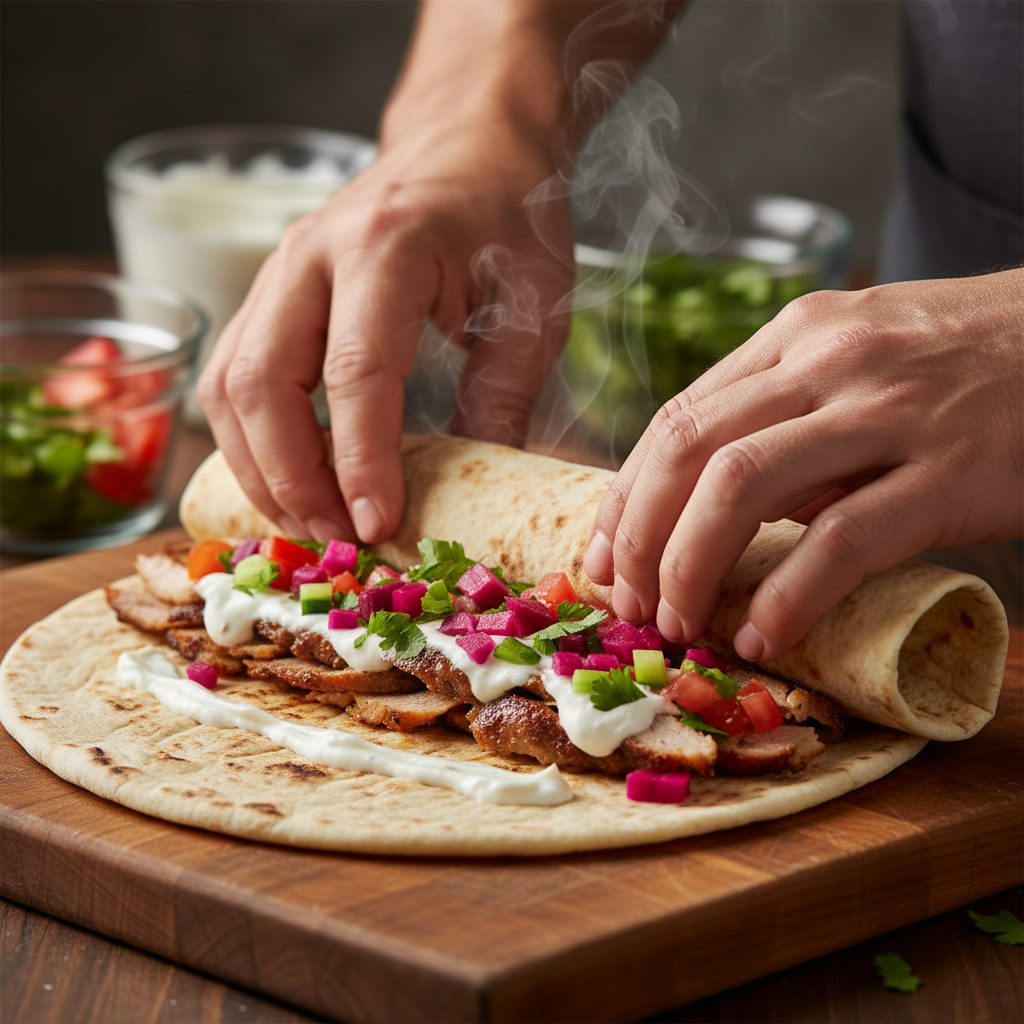
Step 1: Choose the best format
- Buffet: best for variety and social energy; plan 1.25–1.5 servings per guest.
- Boxed meals: fastest service, minimal contact, easy seating charts.
- Build-your-own bar: boosts engagement and covers dietary needs easily.
Tip: In our experience, build-your-own shawarma bars cut “Is this halal?” and “What’s spicy?” questions in half because every item is labeled and self-selected.
Step 2: Portion with confidence
- Proteins: 4–6 oz per person; mix chicken and beef to balance preferences.
- Carbs and grains: 1 cup cooked rice or 1 pita per guest; keep 10% extra pita.
- Salads and veg: 1 cup total per person across 2–3 sides.
- Condiments: at least 2 tablespoons of garlic sauce per guest; add tahini for vegans.
We recommend rounding up slightly for athletic groups or events scheduled after long meetings.
Step 3: Lock the menu
- Pick 2 proteins: e.g., chicken shawarma + beef doner.
- Add 2–3 sides: saffron rice, fattoush, Greek salad, grilled vegetables.
- Include mezze: hummus, baba ghanoush, dolma; they satisfy gluten-friendly needs.
- Round out with bread: warm pita and gluten-friendly alternatives if required.
Menus with two proteins and three sides consistently rate higher in post-event feedback because they feel ample yet simple to navigate.
Step 4: Schedule logistics
- Delivery target: 20–30 minutes before guests eat for setup and labeling.
- Staggered sessions: for 100+ guests, serve in two starts separated by 10 minutes.
- Drop-off access: confirm loading doors, elevator codes, and parking instructions.
For Old Toronto offices, we plan routes that avoid tight street parking near College St and coordinate fast unloads at the door to keep lines short.
Step 5: Label for inclusivity
- Call out: halal, vegetarian, vegan, dairy-free, and gluten-friendly items.
- Flag allergens: sesame, dairy, wheat when applicable.
- Mark spice levels: mild garlic vs. hot sauces reduce second-guessing.
Clear labels can speed buffet flow by several minutes per 25 guests. Less hesitation equals shorter lines.
Step 6: Stage the room
- Flow matters: plates first, then proteins, grains, veg, condiments, and beverages last.
- Double-sided tables: for 60+ guests to prevent bottlenecks.
- Hot holding: keep hot foods above 140°F; refresh trays at natural breaks.
We’ve found that a U-shaped line with beverages at the exit prevents early drink congestion and frees space near the hot trays.
Step 7: Assign a day-of lead
- One point person: handles delivery handoff, reviews labels, and directs setup.
- Second-in-command: guides the line and invites the first table to start.
- Recycle plan: designate bins for trays, lids, and compostable leftovers.
This last step is the glue. A single accountable owner keeps your plan intact when small surprises pop up.
Choose Your Service Format (With Comparison)
Pick buffet for variety and value, boxed for speed, and build-your-own for inclusivity. Each format solves a different problem: crowd throughput, seat-assigned meals, or dietary flexibility. Use the table below to choose the right fit for your team and venue.
| Format | Best for | Pros | Watch-outs |
|---|---|---|---|
| Buffet | Large groups; social events | High variety; efficient portions; lively atmosphere | Needs table space; manage line flow; keep hot above 140°F |
| Boxed meals | Meetings; training rooms | Fast distribution; neat; easy dietary sorting | Less customization; more packaging handling |
| Build-your-own shawarma bar | Mixed diets; team-building | Maximum customization; easy labeling; fun | Needs attendant or clear signage; condiment refills |
If you want a quick win, the shawarma bar often delivers the highest “something-for-everyone” score, especially for teams juggling halal, vegetarian, and gluten-friendly needs.
Local Planning in Old Toronto
For events in Old Toronto, proximity and timing are everything. Choose a caterer near 898 College St so food arrives hot, then schedule delivery 20–30 minutes before service. Confirm elevator and loading access, and name a day-of contact to meet the driver curbside for a smooth handoff.
Neighborhood logistics influence your run-of-show more than most people expect. A short route from kitchen to venue protects temperature, texture, and timing. That’s exactly how to make catering feel easy for downtown meetings and afternoon team lunches.
Local considerations for Old Toronto
- For park gatherings near Dufferin Grove Park, plan shade for cold salads and keep hot foods insulated until service.
- During winter storms or street festivals, build in a 10–15 minute buffer on the delivery window.
- Transit-friendly teams near Ossington often prefer boxed meals that distribute fast before meetings.
Dietary Coverage and Food Safety
Cover core diets—halal, vegetarian, vegan, dairy-free, and gluten-friendly—then protect quality with safe holding temperatures and clean serving tools. Clear labels plus a simple traffic flow make guests feel seen and keep the line moving.
- Halal-first proteins: chicken shawarma, beef doner; label clearly.
- Vegetarian anchors: falafel, grilled vegetables, fattoush, Greek salad.
- Gluten-friendly focus: rice, salads, dolma, and clearly separated bread.
- Allergen management: separate serving tongs for items with sesame or dairy.
- Temperature safety: keep hot items above 140°F; rotate fresh trays regularly.
Food safety and inclusivity are two sides of the same coin: guests trust your event when they see organized lines, labeled trays, and attentive replenishment.
Troubleshooting Common Issues
When plans change, simplify: consolidate lines, refresh hot trays, and re-assign one helper to greet late guests. For short counts, prioritize proteins and staple sides first. For delays, keep lids on, hold heat, and communicate a new start time with confidence.
- Late RSVPs: increase pita and salads; proteins stretch further with extra grains.
- Delivery delay: stage beverages and salads, then start plating once hot trays land.
- Cramped space: turn a single table into a loop; double-side during peak minutes.
- Dietary surprise: reserve a small vegetarian platter as a backstop.
- Leftovers: keep clean tongs and containers ready for safe redistribution.
We’ve run dozens of lunches where a tiny adjustment—like double-siding a table—cut total service time by five minutes for groups of 40–60.
Advanced Tips (Do More with Less Effort)
Batch your decisions: preselect a standard menu, a default time buffer, and a room layout. Then reuse that template for every event. Repetition removes friction, speeds ordering, and ensures predictable quality without micromanaging details.
- Create a standing menu: 2 proteins + 3 sides + mezze = one-click reorder.
- Standard time math: delivery = eat time minus 25 minutes; lock it in.
- Room diagram: sketch a table flow once; reuse forever.
- Delegate roles: door lead, buffet lead, beverage lead—three people total.
- Feedback loop: ask two guests for comments; update your template next time.
Here’s the thing: most “hard” catering is just unmade decisions. Templates make those decisions in advance so your next order takes five minutes, not fifty.
Where Shawarma Moose Helps Most
Shawarma Moose makes catering easy by offering halal-friendly proteins, vegetarian sides, build-your-own shawarma bars, and online ordering for delivery or pickup. Local proximity to Old Toronto keeps food hot and on time, while clear labels and event-ready packaging reduce on-site effort.
Use these resources to plan and place your order with confidence:
- Explore formats and options on our catering overview.
- Order for teams with our corporate catering selections.
- Set up a build-your-own shawarma bar for maximum flexibility.
- See how we organize lines on our buffet-style office catering page.
- New to online orders? Start with our ordering how-to.
- Planning mezze for variety? Browse this mezze delivery guide.

Soft CTA: If you’d like menu help, reply with headcount, date/time, dietary notes, and your preferred format. We’ll suggest a ready-to-serve set that fits your room and schedule.
Frequently Asked Questions
The most common catering questions focus on portions, timing, dietary coverage, and delivery logistics. These short answers help you move fast while avoiding common mistakes. Share them with your team so everyone works from the same playbook.
How far in advance should I place a catering order?
Place your order as soon as your headcount and timing are clear. For weekday lunches, locking details two business days ahead helps guarantee delivery windows and labeling. If your date is fixed but numbers are fluid, reserve the slot and update the headcount the day before.
What if guests have mixed dietary needs?
Choose a build-your-own station with clearly labeled proteins, grains, salads, and sauces. Include halal proteins plus vegetarian and gluten-friendly options. Separate serving tools and simple signage keep lines moving while helping each guest customize confidently.
How do I keep food hot and safe during service?
Stage the line just before service. Keep hot foods above 140°F and use lids between waves. Refresh trays at natural breaks, and assign one person to monitor temperatures and replace serving utensils if they fall below the rim of trays.
What’s the simplest way to prevent long buffet lines?
Double-side the table and put beverages at the end of the line. Announce two starting points for larger groups, and place proteins first, then grains and sides, with condiments last. Clear labels reduce questions and speed the flow.
Is pickup better than delivery for downtown events?
If you have easy curb access and a dedicated runner, pickup can be faster. For most teams, scheduled delivery is simpler because it bakes in time for setup and labeling. Choose the option that best matches your staffing and venue access.
Additional Resources
Ready to act? Use these resources to pick a format, confirm dietary coverage, and place your order. The links help you move from plan to plate quickly, with templates you can reuse for future events.
For more planning ideas and event-tested combinations, see these references:
- Browse our flexible Toronto catering menu to mix proteins, sides, and mezze.
- Review why Turkish cuisine resonates with teams in this event cuisine explainer.
- Get more authentic Turkish catering ideas for groups of different sizes.
Conclusion
Catering feels easy when you standardize decisions: choose the right format, portion with simple rules, label clearly, and schedule delivery with a 20–30 minute buffer. Pair those moves with a nearby kitchen and a single day-of lead, and your plan reliably turns into a smooth, on-time meal.
- Key takeaways:
- Pick a serve style that matches your space and schedule.
- Use portion guides: 4–6 oz protein, 1 cup grains, 1 cup salads.
- Label for halal, vegetarian, gluten-friendly, and spice level.
- Deliver 20–30 minutes before guests eat; double-side for 60+ people.
- Assign one point person to protect the plan when surprises happen.
Next step: If you’re hosting in Toronto and want a hand, we can help you decide between buffet, boxed, or a shawarma bar in one short call. Or place an order online and add your notes—we’ll take it from there.