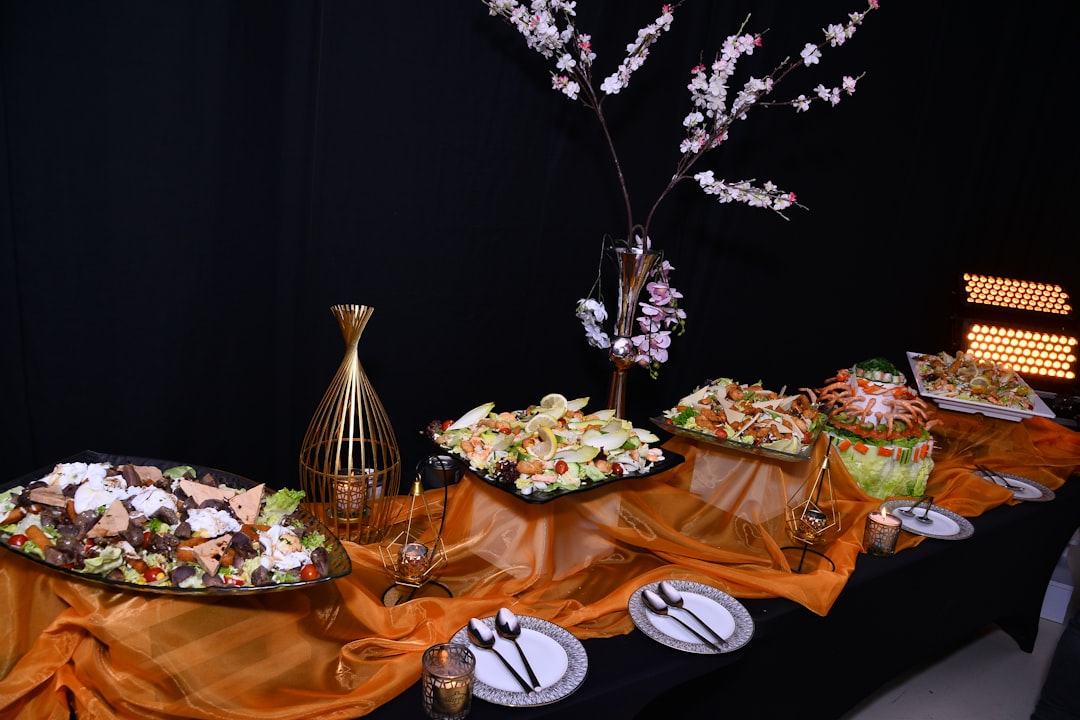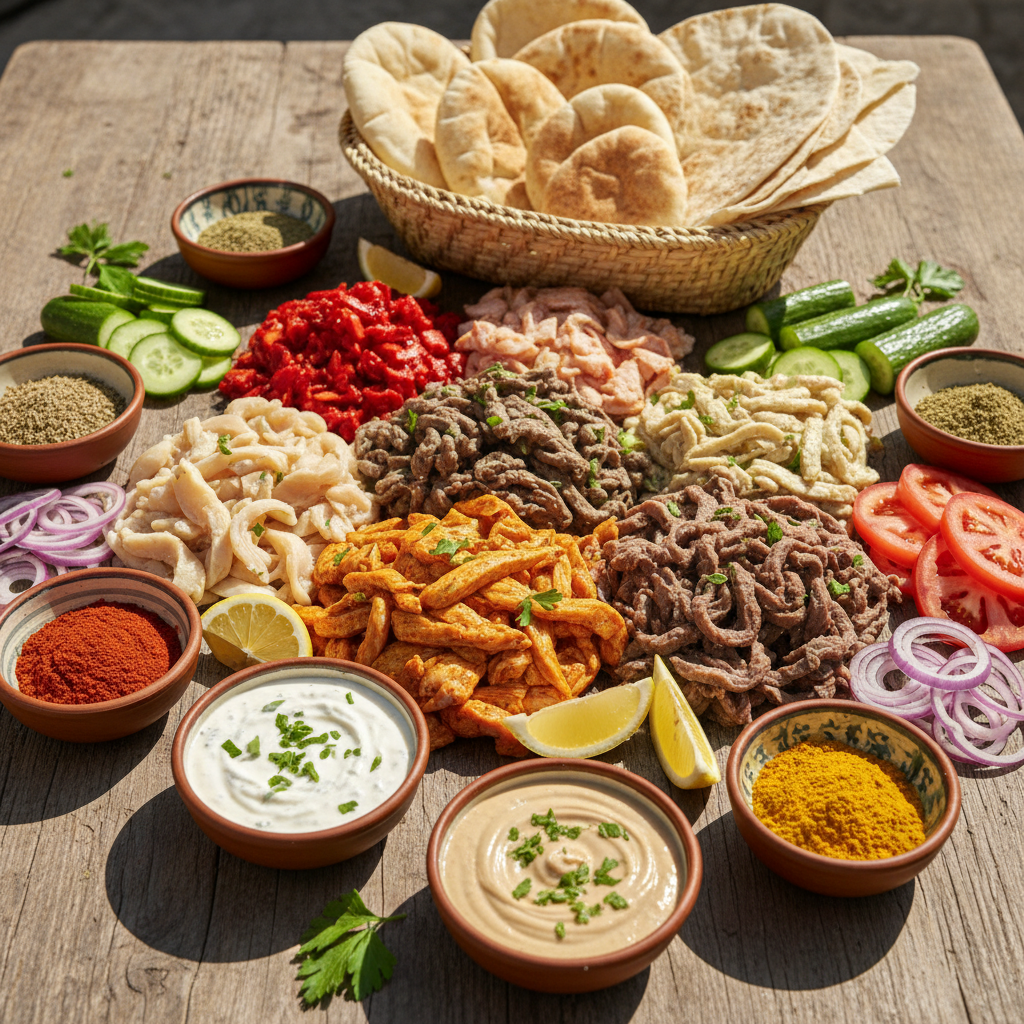
Craving that just-off-the-rotisserie bite? You’re not alone. If you’ve ever wondered exactly which Mediterranean shawarma ingredients create that juicy, fragrant, slightly smoky magic, this complete guide unpacks the proteins, spices, sauces, breads, and toppings that make it unforgettable—plus how we bring those traditions to life daily at our Toronto kitchen at 898 College St.
Quick Answer
Mediterranean shawarma ingredients include marinated proteins (chicken, beef, or lamb), a warm spice blend (cumin, coriander, paprika, turmeric, cinnamon), bright acids (lemon, vinegar), and classic finishes (tahini, garlic sauce, parsley, pickled turnips). At Shawarma Moose in Toronto (898 College St), we prep these essentials fresh for online orders, pickup, delivery, and catering.
At a Glance
- Core components: protein + spice blend + acid + fat + salt + time (marination) + high-heat sear + fresh toppings.
- Mediterranean shawarma ingredients to know: cumin, coriander, paprika, turmeric, cinnamon, sumac, garlic, olive oil, lemon, tahini, parsley, pickled turnips, onions.
- Serving styles: pita or lavash wraps, rice plates, or salad bowls—built to travel well for delivery and pickup.
- Restaurant insight: consistent spice ratios, cold marination, and a hot sear keep shawarma juicy through transport.
- Event-ready: self-serve shawarma bars scale with proteins, rice, salads, sauces, and pita—ideal for office lunches and parties.
Table of Contents
- What Are Mediterranean Shawarma Ingredients?
- Why Ingredients (and Balance) Matter
- How the Ingredients Work Together
- Mediterranean Shawarma Ingredients: The Complete List
- Sauces and Toppings Deep-Dive
- Styles, Methods, and Variations
- Best Practices for Flavor and Freshness
- Shopping & Prep Checklist
- Pickup and Delivery: Keep It Perfect
- Catering Playbook for Toronto Teams
- Troubleshooting: Fixing Common Flavor Issues
- Tools and Resources
- Real-World Examples from Toronto
- FAQ
- Conclusion + Key Takeaways
Local Tips
- Tip 1: Picking up on College St? Street parking opens faster just west of Ossington Ave. Arrive at your pickup time so wraps stay warmer.
- Tip 2: Planning a winter office lunch? Pair warm proteins, rice, and breads—Toronto cold snaps challenge food temps in transit, so insulated packaging helps.
- Tip 3: Hosting near the University of Toronto or along Queen West? Shawarma bars with clearly separated sauces keep lines moving and suit mild-to-spicy palates.
IMPORTANT: These tips reflect how our Toronto kitchen batches, packs, and routes orders for speed and freshness.
What Are Mediterranean Shawarma Ingredients?
Think of shawarma as a flavor equation. It’s not one hero spice—it’s the interplay of warm aromatics, bright acidity, savory fat, and fresh herbs.
- Proteins: chicken thighs, beef (sirloin/top round), lamb (leg/shoulder). Dark-meat chicken stays tender at high heat.
- Spice base: cumin, coriander, paprika (smoked or sweet), turmeric, cinnamon, black pepper.
- Signature accents: sumac (tart), Aleppo or Urfa pepper (gentle heat, fruity depth), cardamom (floral), allspice (rounded spice), garlic.
- Acids and fat: lemon juice, red wine or apple cider vinegar, olive oil, and full-fat yogurt (especially for chicken).
- Salt and aromatics: kosher salt, fresh garlic, grated onion for moisture and subtle sweetness.
- Carriers (breads and bases): pita, lavash, saj bread; rice pilaf; or mixed greens for bowls.
- Finishing sauces: tahini, creamy garlic sauce, chili oil or pepper paste, and lemony herb dressings.
- Toppings: parsley, tomatoes, cucumbers, red onions, pickled turnips, cabbage slaw, lemon wedges.
Why this mix? Spices deliver warmth and aroma, acid brightens richness, fat carries flavor, and herbs add lift. The right balance tastes vibrant—not muddy.
Why Ingredients (and Balance) Matter
- Authenticity: A Mediterranean-forward blend (with sumac, cardamom, and proper paprika) keeps profiles true to tradition.
- Texture: Yogurt and olive oil soften chicken fibers; vinegar firms beef for thin slicing without chewiness.
- Consistency for delivery: Tight spice ratios and marination windows ensure flavor parity between dine-in and delivery.
- Customization: Bowls and platters let guests dial in heat, crunch, and creaminess for mixed dietary needs.
- Event success: Modular ingredients scale efficiently for self-serve lines at offices and private events.
Here’s the thing: perfect shawarma isn’t only about the rotisserie. Every supporting ingredient must show up in the right amount at the right time.
How the Ingredients Work Together
Marination builds depth; high heat locks it in. Crisp edges, sauces, and herbs complete each bite.
- Salt and acid first: Salt penetrates and seasons; lemon and vinegar tenderize and awaken spices.
- Fat and aromatics next: Olive oil carries fat-soluble flavors; garlic and onion add sweetness and aroma.
- Time matters: Chicken: 6–24 hours. Beef/lamb: 12–24 hours. Longer isn’t always better—avoid mushy textures.
- Browning = flavor: Rotisserie, grill, or skillet—aim for deep golden edges without drying the center.
- Thin slicing + rest: Slice against the grain. Rest briefly to keep juices in the meat, not on the board.
- Assembly order: Sauce base, protein, crunchy veg, fresh herbs, then a final drizzle—so every bite hits salty, tangy, creamy, and crisp.
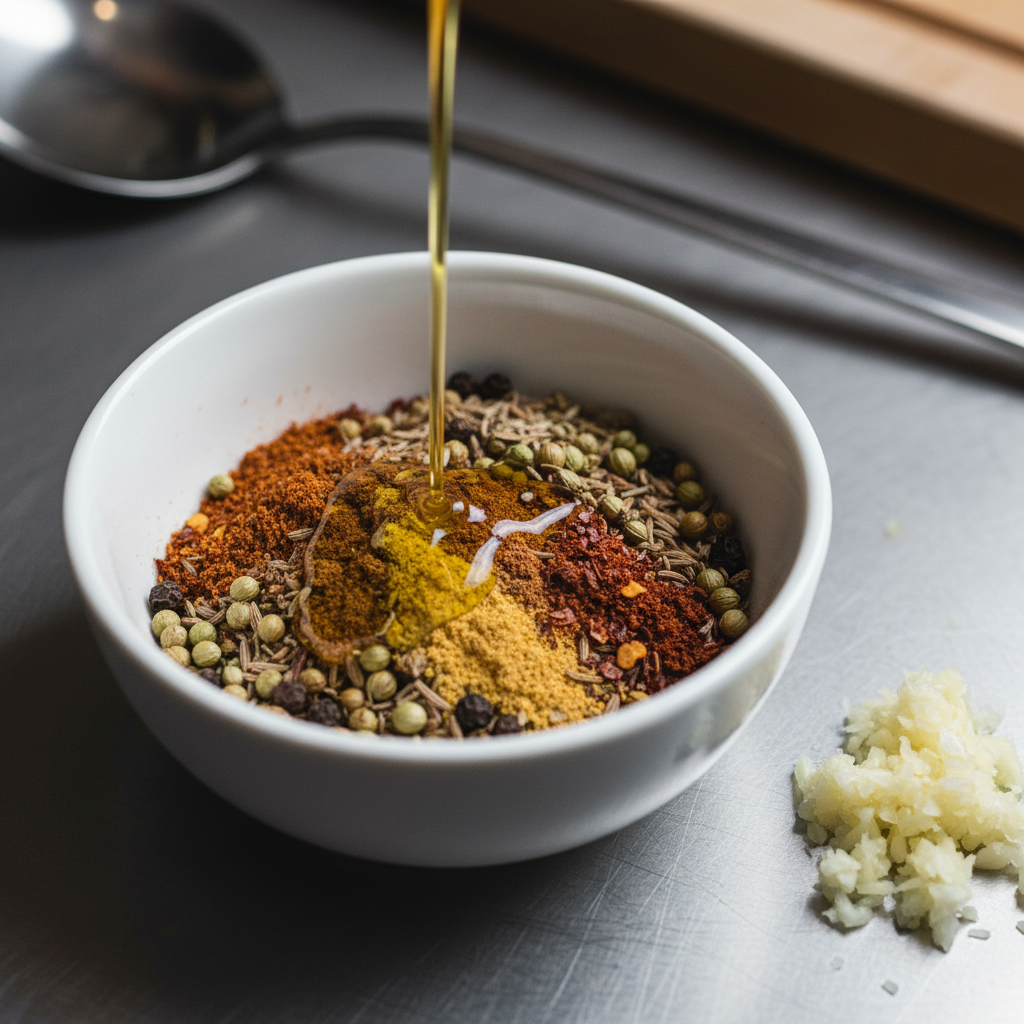
You might be wondering: rotisserie vs. skillet—does it change the ingredient list? Not really. It changes heat exposure and fat rendering, but the same balanced pantry builds flavor either way.
Mediterranean Shawarma Ingredients: The Complete List
Use this master list to shop, prep, or customize a menu. It’s organized by function to make planning easy.
Core Spices (Warm and Aromatic)
- Cumin: earthy, nutty base note; anchors the blend.
- Coriander: citrusy lift; brightens heavier spices.
- Paprika (smoked or sweet): color, gentle sweetness, and depth.
- Turmeric: golden color; faint bitterness to balance richness.
- Cinnamon: warmth that rounds savory notes—use with a light hand.
- Black pepper: bite and aroma; freshly ground is best.
Signature Twists (Use Selectively)
- Sumac: tart finish; excellent on onion salads and over wraps.
- Aleppo or Urfa pepper: soft heat, fruity depth without harsh spice.
- Cardamom and allspice: floral-sweet edges that feel distinctly Mediterranean and Levantine.
Acids and Fats
- Lemon juice: brightness that keeps blends lively.
- Vinegar: red wine or apple cider for beef and lamb structure.
- Olive oil: flavor carrier and browning aid.
- Plain yogurt: gentle tenderizer for chicken; adds a creamy mouthfeel.
Carriers, Sauces, and Finishes
- Breads: pita, lavash, saj bread—soft, flexible, lightly toasted.
- Plates and bowls: rice pilaf, mixed greens, or bulgur (if desired).
- Sauces: tahini, creamy garlic sauce, chili oil or pepper paste, lemon-herb dressings.
- Toppings: parsley, tomatoes, cucumbers, red onions (sumac onions are great), pickled turnips, cabbage slaw, lemon wedges.
Quick Reference: Protein Prep
| Protein & Cut | Marination Window | Key Accents | Flavor Notes | Best With |
|---|---|---|---|---|
| Chicken thighs | 6–24 hours (yogurt + lemon) | Cumin, coriander, paprika, turmeric, garlic | Juicy, warmly spiced | Garlic sauce, parsley, pickled turnips |
| Beef (sirloin/top round) | 12–24 hours (vinegar + oil) | Allspice, black pepper, paprika, onion | Beefy, lightly tangy | Tahini, tomatoes, sumac onions |
| Lamb (leg/shoulder) | 12–24 hours (lemon + oil) | Cardamom, cinnamon, coriander | Rich, aromatic | Herb salad, lemon, chili |
Breads and Bases: Best Uses
| Carrier | Best For | Why It Works | Pro Tip |
|---|---|---|---|
| Pita | Classic wraps | Soft, flexible, familiar | Lightly toast to prevent tearing |
| Lavash | Large, shareable wraps | Thin, easy to roll | Don’t overfill; roll tight for travel |
| Saj bread | Extra-thin wraps | Delicate, quick toast | Brush with a hint of oil for flexibility |
| Rice pilaf | Plates and bowls | Comforting base | Keep sauce on the side for texture |
| Greens | Gluten-aware bowls | Fresh, light | Double herbs for brightness |
Sauces and Toppings Deep-Dive
Sauces define the finish. A smart sauce set lets everyone tune richness, heat, and tang to their taste.
Core Sauces
- Tahini: sesame-based, nutty, and lemony; anchors beef and lamb plates.
- Creamy garlic sauce: silky, bold garlic; a classic with chicken.
- Chili oil or pepper paste: controlled heat without masking spices.
- Lemon-herb drizzle: olive oil, lemon, parsley—bright lift for bowls.
Want to master sauces at home? Explore our step-by-step shawarma sauce recipes for restaurant-level results.
Toppings Matrix (Build for Contrast)
- Crunch: cabbage slaw, cucumbers.
- Acid: pickled turnips, sumac onions, lemon wedges.
- Freshness: parsley, tomatoes.
- Heat: chili oil, pepper paste.
- Cream: tahini, garlic sauce.
Balance two or three of these lanes per wrap or bowl. That’s how you get layers without crowding the palate.
Styles, Methods, and Variations
There isn’t one “right” way—there are trusted patterns that fit your tools and time.
- Traditional stack (restaurant): Vertical rotisserie (döner-style) gives continuous basting and crackly edges.
- Skillet method (home-friendly): Cook marinated slices in batches for browned edges and tender centers.
- Grill or broiler: High radiant heat caramelizes quickly—watch flare-ups with oily marinades.
- Wraps vs. plates: Wraps deliver contrast in-hand; plates focus on rice, salads, and sauce control.
- Heat levels: Keep base marinade mellow; add heat at service with a drizzle.
- Vegetable-forward swaps: Charred mushrooms or roasted cauliflower carry the same spice profile for mixed groups.
The goal is repeatable results. Choose the method you’ll actually use—then dial in timing, slice thickness, and sear.
Best Practices for Flavor and Freshness
Great shawarma travels well when you plan for texture, temperature, and timing.
- Season to the center: Toss thoroughly; don’t rely on a surface-only marinade.
- Cold marinate, hot sear: Keep proteins chilled; hit a preheated surface to minimize moisture loss.
- Target safe temps: Chicken 165°F; beef and lamb to preferred doneness (thin-sliced for tenderness).
- Rest, then slice: Give cooked proteins 5–10 minutes before cutting to keep juices in.
- Pack smart for pickup/delivery: Vent hot items briefly to prevent steam-soggy wraps; keep sauces on the side.
- For events: Separate hot proteins, warm rice, crisp salads, and sauces; add labels so lines move fast.
Shopping & Prep Checklist
Use this checklist for a no-guess prep day.
Spices and Pantry
- Cumin, coriander, paprika, turmeric, cinnamon, black pepper
- Sumac, Aleppo or Urfa pepper (optional)
- Kosher salt, olive oil
- Lemon juice, red wine or apple cider vinegar
- Tahini, chili oil or pepper paste
Produce
- Garlic, onions, parsley
- Tomatoes, cucumbers, cabbage
- Lemons, pickled turnips
Proteins and Carriers
- Chicken thighs, or beef (sirloin/top round), or lamb (leg/shoulder)
- Pita, lavash, or saj bread
- Rice or greens for bowls
Prep Day Flow
- Mix spice blend; reserve a small portion for finishing.
- Whisk marinade with lemon, vinegar, olive oil, garlic, and onion.
- Toss protein to coat thoroughly; refrigerate (6–24 hours for chicken, 12–24 for beef/lamb).
- Prep toppings and sauces; chill.
- Heat cooking surface; cook in batches for deep browning.
- Rest, slice, and assemble with carriers, toppings, and sauces.
Pickup and Delivery: Keep It Perfect
Whether you’re grabbing dinner on College St or sending a team lunch across downtown, a few small choices protect texture and temperature.
- Ask for sauces on the side: Prevent soggy wraps and preserve crunch.
- Choose plates for longer trips: Protein + rice + separate salads travel better than overstuffed wraps.
- Warm the bread at home: A quick toast revives pliability after transit.
- Plan your pickup time: Arrive when it’s ready—hot food loses quality if it waits.
Curious how to tailor wraps for travel and taste? See our tips to customize shawarma wraps so every bite lands exactly how you like it.
Catering Playbook for Toronto Teams
Shawarma bars are a crowd-pleaser because they’re modular and fast. We support office lunches, private events, and creative studios across Toronto with reliable packaging and labeling.
- Build the bar: Proteins (chicken + beef), rice pilaf, herb salad, tomatoes, cucumbers, sumac onions, pickled turnips, parsley.
- Sauce set: garlic, tahini, mild chili, lemon-herb.
- Carriers: stacks of pita and lavash; warm and wrapped.
- Flow design: plates first, then proteins, then toppings, sauces last (keeps lines moving).
- Label clearly: allergies, spice level, and protein types—saves guests from second-guessing.
Want a pre-built ratio that works for mixed palates? Our mix shawarma plate layout (chicken + beef, rice, and a classic salad set) balances comfort and variety for most teams.
Troubleshooting: Fixing Common Flavor Issues
Even seasoned cooks hit snags. Here’s how we diagnose and correct the usual suspects.
- Tastes flat: Add acid (lemon) and a pinch of salt; finish with fresh parsley or sumac onions.
- Too spicy: Add tahini or garlic sauce to mellow heat; include extra cucumbers for cool crunch.
- Dry texture: Slice thinner, shorten cooking time, and rest longer. Chicken thighs are more forgiving than breasts.
- Muddy flavor: You may be using too many spices. Pare down to cumin, coriander, paprika, and a touch of turmeric and cinnamon.
- Soggy wrap: Warm bread, don’t overfill, and keep wet sauces on the side until serving.
For a deeper cut on regional profiles, our quick guide to kebab vs. shawarma differences maps how variations in spice and method shift the final taste.
Tools and Resources
- Essentials: chef’s knife, cutting board, mixing bowls, tongs, sheet pans, sturdy skillet or grill.
- Nice-to-haves: spice grinder (for whole spices), digital scale (repeatable ratios), instant-read thermometer.
- Event gear: chafing dishes, insulated carriers, squeeze bottles for sauces, disposable gloves for quick service.
- Food safety basics: Keep hot foods hot and cold foods cold; use clean containers and separate utensils for sauces.
Explore more Turkish-inspired ideas in our roundup of authentic Turkish cuisine flavors you can riff on at home.
Real-World Examples from Toronto
Here are simple, real scenarios we see every week around the city—and how the right ingredients make the difference.
- Office lunch on Bay Street: Chicken shawarma, rice, salads, garlic sauce, and tahini in labeled pans. Pickled turnips and lemon wedges keep plates bright through back-to-back meetings.
- University study break near St. George: Wraps and bowls with extra parsley, sumac onions, and a mild-spicy option. Separate sauce bottles speed up the line and reduce mess.
- Family pickup before a game: Toasted pitas, extra napkins, and sides packed separately prevent steam from softening breads on the drive.
- Creative platter for Queen West studios: Half chicken/half beef, rice pilaf, a big herb salad, and chili oil on the side—balanced for both comfort and kick.
- Team workshop in Liberty Village: Build-your-own bowls with rice and greens, tahini for dairy-free creaminess, and lots of parsley for freshness.
- Weekend birthday near Trinity Bellwoods: A shawarma bar with color-coded tongs (mild vs. spicy). Labels and simple flow kept the line moving and guests happy.
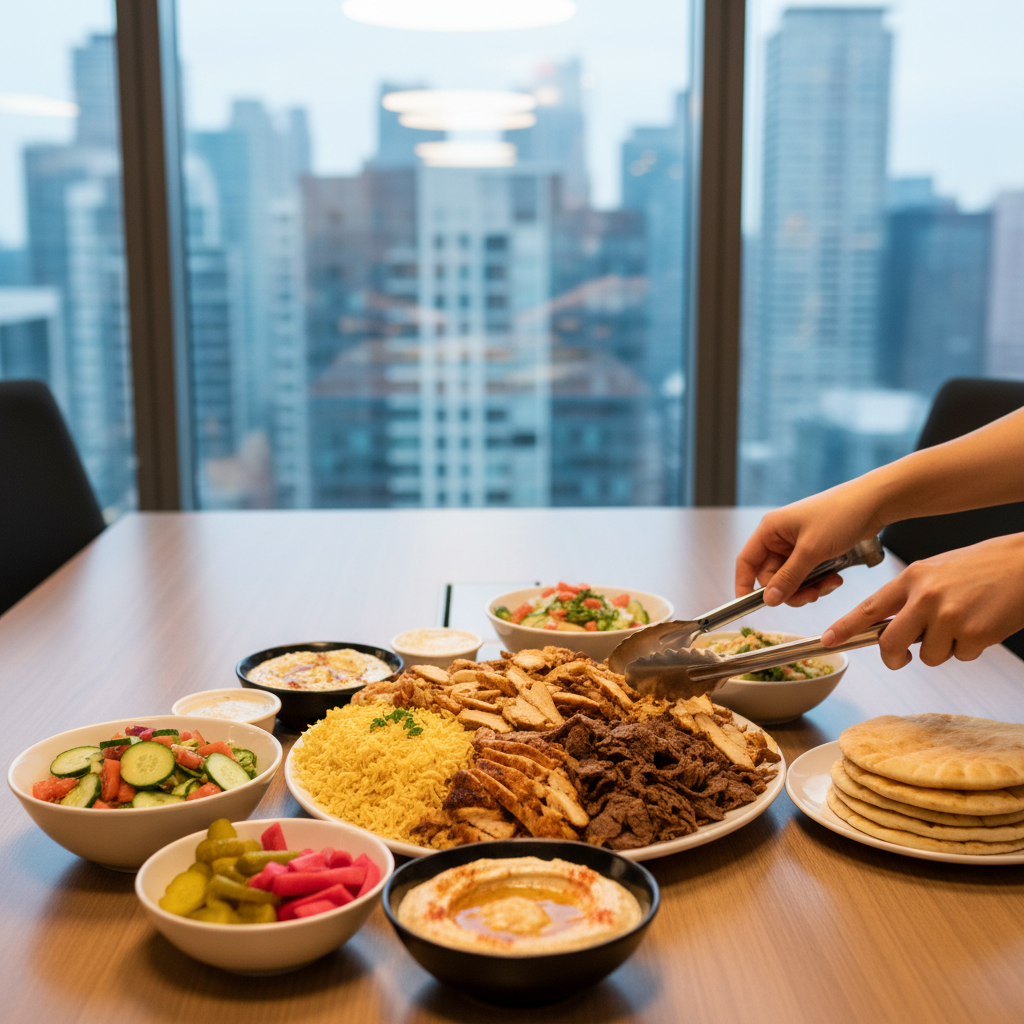
For mixed dietary needs, we often run two lines: one mild, one spicy. Same ingredients, different emphasis—so no one feels left out.
FAQ
What are the must-have Mediterranean shawarma spices?
Start with cumin, coriander, paprika, turmeric, cinnamon, black pepper, garlic, and salt. Add sumac for tartness and Aleppo or Urfa pepper for gentle heat. Keep cardamom or allspice as optional accents to avoid overpowering the base profile.
How do you keep shawarma juicy for delivery or pickup?
Use chicken thighs or well-marbled beef, marinate thoroughly, sear over high heat, rest before slicing, and pack sauces on the side. Vent hot items briefly before sealing to avoid steam-soggy bread.
What’s the best bread for wraps?
Soft, flexible pita or lavash warmed lightly before assembly. Avoid overstuffing—two slimmer wraps travel better than one overfilled roll.
Can I make a gluten-aware shawarma bowl?
Yes. Skip the bread and build over rice or greens. Keep cross-contact controls in mind and place sauces in clean, dedicated containers.
How spicy should the base marinade be?
Keep the base mellow and add heat with a chili drizzle or pepper paste at service. This pleases groups with mixed preferences.
Conclusion + Key Takeaways
- Balance wins: Warm spices + bright lemon + fresh herbs define Mediterranean shawarma ingredients.
- Method matters: Cold marination and a hot sear protect juiciness.
- Great on the go: Smart packing keeps textures crisp for pickup, delivery, and events.
- Scale-friendly: The same modular pantry powers weeknight dinners and office buffets alike.
Ready to put this to work—at home or for a team lunch? From our College St kitchen, we prep time-tested blends for wraps, bowls, and event platters every day across Toronto.
Soft CTA: Want help planning a self-serve shawarma bar for your next meeting or party? Our team can guide protein counts, sides, and sauces so everyone gets a plate they love.