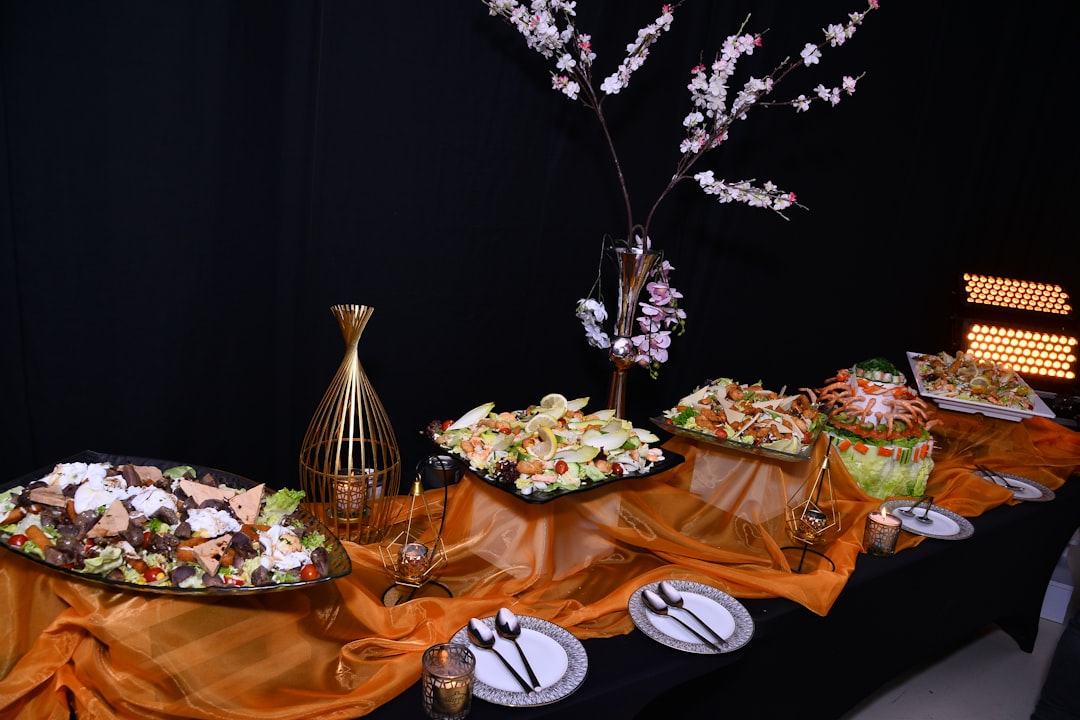
Planning a crowd-pleasing menu shouldn’t be stressful. If you’re evaluating event catering shawarma in the Toronto area, this complete guide explains how to plan, order, and serve authentic Turkish-Mediterranean shawarma that guests actually remember. We’ll reference how Shawarma Moose operates as a quick-service Turkish restaurant with traditional preparation, mobile-ready online ordering, and end-to-end catering support for private and corporate events.
- What event catering shawarma includes: live carving stations, build-your-own bars, and hot trays with Turkish sides.
- How to plan portions, service flow, and dietary needs—without guesswork.
- Actionable checklists, timelines, and menu templates you can use today.
- Real examples for office lunches, conferences, weddings, and neighborhood gatherings.
Quick Answer
For Toronto events, event catering shawarma means a fast, flavorful setup—live shawarma carving, build-your-own bowls, and classic Turkish meze—backed by reliable delivery and pickup. Shawarma Moose supports halal-friendly menus, convenient Square Online ordering, and smooth on-site service for corporate and private gatherings.
Above the Fold: What You’ll Find in This Guide
- What Is Event Catering Shawarma?
- Why Shawarma Works for Events
- How the Planning and Ordering Process Works
- Service Formats and When to Use Each
- Best Practices (Portions, Timing, Flow, Safety)
- Tools and Resources (Checklists + Templates)
- Case Studies and Real-World Examples
- FAQ: Quick, Practical Answers
- Key Takeaways + Next Steps
Summary
- Event catering shawarma brings thin-sliced, slow-roasted meat, warm pita, fresh salads, and Turkish sides to any venue.
- It scales for everything from 15-person team lunches to multi-hundred-guest conferences.
- Ordering is simple through a mobile-friendly system with delivery or pickup options.
- With clear portioning and a smooth service flow, you’ll keep lines short and guests happy.
What Is Event Catering Shawarma?
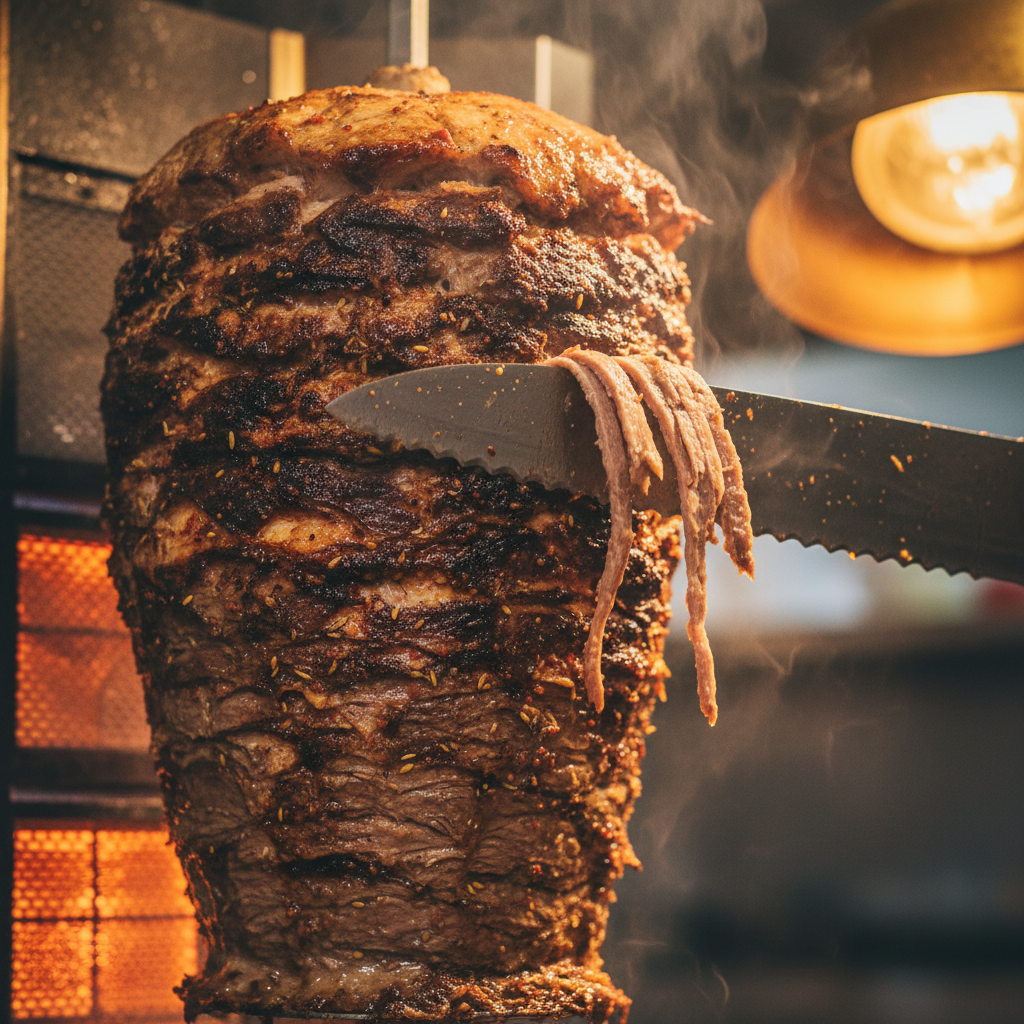
In short, it’s the most reliable way to serve Mediterranean and Turkish favorites to a crowd—fast. Think slow-roasted shawarma carved thin, plus warm pita, rice or fries, and a spread of meze like hummus, ezme, and shepherd’s salad.
- Core components
- Shawarma: traditionally marinated chicken or beef, carved to order.
- Carbs and bases: warm pita, rice, or salad bowls.
- Turkish sides: hummus, ezme, pickles, tahini, garlic sauce, and fresh salads.
- Service modes
- Live shawarma carving station for a centerpiece experience.
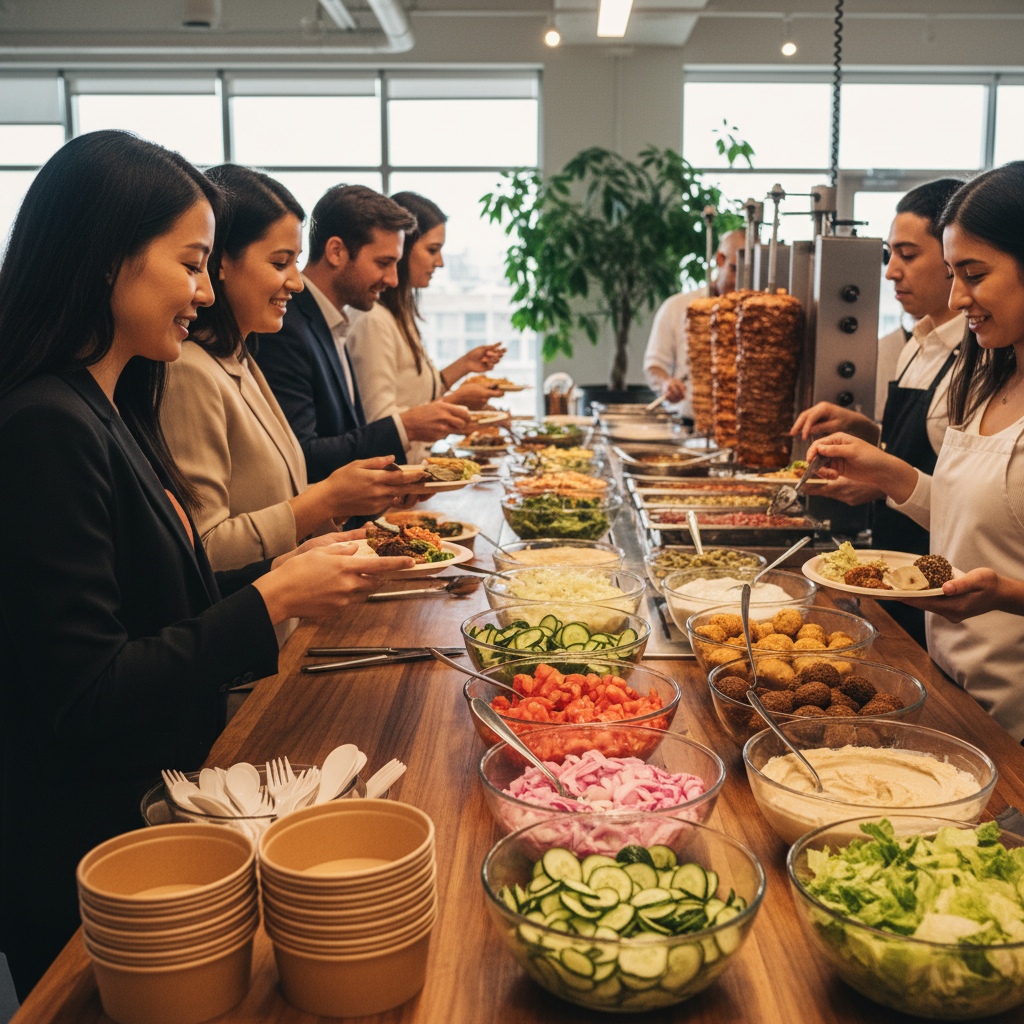
- Buffet or build-your-own bars for speed and customization.
- Individually boxed wraps or bowls for offices or on-the-go events.
- Ordering options
- Delivery or pickup through a mobile-optimized system for simple logistics.
- Drop-off hot trays when you have serving staff, or full-service support when you don’t.
Why Event Catering Shawarma Matters for Toronto Hosts
Guests want food that’s fast to serve, tastes authentic, and works for different diets. Shawarma checks all three boxes.
- Universal appeal: familiar flavors, customizable toppings, and satisfying portions.
- Halal-friendly: a smart default when you’re hosting a diverse team or community.
- Works in tight timelines: quick plating keeps lines moving during short lunch windows.
- Flexible formats: from executive boardrooms to outdoor festivals, it adapts.
- Easy logistics: order online, choose delivery or pickup, and get reliable execution.
If you’re planning a corporate lunch, check out our corporate catering options for menu ideas aligned to office schedules and meeting flow.
How Event Catering Shawarma Works (Step by Step)
Use this planning flow to remove guesswork and keep your day-of stress low.
- 1) Define the event
- Occasion and vibe: casual team lunch, formal reception, or community celebration?
- Venue details: elevator access, parking, loading dock, and prep area.
- Timeline: arrival, setup, service window, speeches, and breakdown.
- 2) Lock headcount and dietary notes
- Ask RSVP questions about allergies and halal preferences.
- Plan inclusive options: falafel or veggie bowls alongside chicken and beef.
- 3) Select your format
- Live station, buffet/build-your-own, boxed meals, or hot trays (drop-off).
- Match format to time, space, and how interactive you want the service to feel.
- 4) Build the menu
- Mains: chicken shawarma, beef shawarma, or both; veggie/falafel options.
- Sides: hummus, ezme, shepherd’s salad, pickles, tahini, garlic sauce.
- Bases: warm pita, rice, salad greens, or seasoned fries.
- 5) Order and confirm logistics
- Use a mobile-ready ordering page and confirm delivery or pickup windows.
- Share building rules (security check-in, freight elevator access, loading zones).
- 6) Day-of execution
- Setup: stations, signage-free flow, and serving tools placed for speed.
- Service: carve hot, keep backups ready, and assign helpers to keep lines moving.
- Wrap-up: pack safe leftovers and leave the space clean.
Ready to outline your event? Our catering page walks you through delivery, pickup, and full-service options.
Service Formats: When to Use Which
Choosing the right setup can make the difference between a smooth experience and bottlenecks.
| Format | Best For | Pros | Watch Outs |
|---|---|---|---|
| Live Carving Station | Receptions, weddings, VIP meetings | High-impact centerpiece; fresh-carved servings; guest interaction | Needs space, ventilation access, and a clear queue plan |
| Buffet/Build-Your-Own | Corporate lunches, conferences, community events | Fast throughput; flexible portions; easy to offer multiple proteins | Needs attendants to prevent traffic jams at topping bars |
| Boxed Wraps/Bowls | Boardrooms, trainings, commuter timing | Grab-and-go; labeled by dietary type; minimal setup | Less interactive; pre-selection required |
| Drop-Off Trays | Backyard parties, school events, casual meetups | Simple logistics; flexible timing; re-usable throughout the event | Appoint a server to manage refills and cleanliness |
Format Selection Checklist
- Guest count and room size: how many guests can queue at once?
- Service window: can you stagger groups or do you need instant throughput?
- Venue constraints: elevator capacity, loading zone access, and prep space.
- Guest experience goals: high-touch, interactive, or efficient and discreet?
Best Practices (That Hosts Wish They Knew Earlier)
These tips come from real Toronto events supported by Shawarma Moose.
- Design for traffic flow
- Put pita/bases first, then proteins, then toppings and sauces. It speeds decisions.
- Use two lines for toppings during peak minutes to cut wait times in half.
- Portion planning
- Lunches: plan slightly heartier portions; receptions: smaller, snackable servings.
- Order a balanced protein mix; chicken tends to be the crowd favorite.
- Dietary labels without signage clutter
- Verbally brief attendants on halal, vegetarian, and gluten-aware options.
- Keep toppings simple: clearly separate dairy-based sauces if requested.
- Timing is everything
- For 60-minute lunches, start service 10 minutes after arrival to avoid bottlenecks.
- Hot backups are essential—keep a second tray ready to swap instantly.
- Food safety and quality
- Keep hot items hot and cold items chilled; assign one person to temperature checks.
- Refresh small batches often to keep everything tasting freshly prepped.
- Have a cleanup plan
- Provide ample napkins and discreet waste bins near exits, not in the middle of lines.
- Set a 10-minute breakdown window to reset the room before the next agenda item.
Want a menu tailored to your venue and timeline? Explore Shawarma Moose catering or browse corporate catering to match the format to your event.
Tools and Resources
Use these simple tools to plan faster.
- Headcount-to-portions calculator
- Segment guests by appetite (light, medium, hearty) to avoid over-ordering.
- Add a 5–10% buffer for last-minute attendees and seconds.
- Run-of-show template
- Arrival, setup, service start, peak window, refill checks, and breakdown.
- Assign roles: point of contact, line guides, and refill runner.
- Dietary coordination script
- Confirm halal-friendly preparation and vegetarian/falafel options in advance.
- Note severe allergies and plan separate serving utensils as needed.
- Ordering channels
- Use a mobile-optimized page for delivery/pickup to reduce back-and-forth.
- If your event is remote or hybrid, consider individual boxed meals delivered to offices—our guide on fast delivery in Toronto explains how to keep timing tight.
Case Studies and Real-World Examples
Here are practical scenarios we’ve supported in the Toronto area, and how we would align format, menu, and flow.
1) Boardroom Strategy Session (15–25 guests)
- Format: Boxed bowls and wraps; minimal setup, quick cleanup.
- Menu: Chicken shawarma bowls, falafel bowls, hummus cups, and pickles.
- Why it works: Quiet service and easy distribution around laptops and notepads.
2) Quarterly All-Hands (80–120 guests)
- Format: Buffet/build-your-own with dual topping lines for speed.
- Menu: Chicken and beef shawarma, warm pita, rice, salads, tahini and garlic sauce.
- Flow tip: Stagger departments by 5 minutes; assign two attendants at toppings.
3) Tech Meetup or Product Launch (60–90 guests)
- Format: Live carving station for a high-visibility focal point.
- Menu: Chicken shawarma with small plates, hummus, and ezme.
- Why it works: Creates buzz; easy to snack while networking.
4) Wedding Cocktail Hour (100–150 guests)
- Format: Live station plus passed mini-wraps.
- Menu: Chicken shawarma mini-wraps, veggie bites, and salad cups.
- Pro tip: Keep passed options small to avoid spills on formalwear.
5) Community Festival or Street Fair (200+ guests)
- Format: Buffets with multiple identical lines; pre-portioned wraps during peak.
- Menu: Chicken shawarma wraps, veggie wraps, pickles, and sauces.
- Why it works: Scales to very large counts without slowing the program.
6) Training Day with Tight Lunch Window (40–60 guests)
- Format: Boxed wraps labeled by protein; ready at once.
- Menu: Chicken and falafel wraps, individual salads, and tahini packs.
- Timing tip: Announce pickup points by row/section to prevent crowding.
7) Outdoor Summer Party (50–80 guests)
- Format: Drop-off trays with a shaded, well-ventilated service area.
- Menu: Shawarma trays, pitas, salads, hydration station with iced water.
- Why it works: Flexible timing; guests graze between activities.
8) Executive Reception (30–50 guests)
- Format: Live carving; attendants to plate small portions.
- Menu: Premium cuts, hummus, ezme, and greens.
- Experience tip: Position the station where guests naturally gather for conversation.
9) School Fundraiser (100–150 guests)
- Format: Buffet with kid-friendly labeling by volunteers.
- Menu: Chicken shawarma, rice, tomato-cucumber salad, and mild sauces.
- Why it works: Customizable for picky eaters; efficient for busy parents.
10) Hybrid Offsite (Distributed Teams)
- Format: Office pickup plus home deliveries for remote staff.
- Menu: Boxed bowls with clear protein and veggie options.
- Coordination tip: Use time-window deliveries synced to agenda breaks.
11) Holiday Party (80–120 guests)
- Format: Buffet with festive sides and warm lighting.
- Menu: Chicken and beef shawarma, pita, salads, and seasonal add-ons.
- Why it works: Comforting, hearty flavors in colder months.
12) Customer Appreciation Open House (50–100 guests)
- Format: Live station to draw attention; small plates for easy mingling.
- Menu: Chicken shawarma, meze platters, and salad cups.
- Engagement tip: Place the station near your demo or welcome area to encourage flow.
Local Tips
- Tip 1: Downtown venues near Union Station or the PATH? Reserve loading zone access and a service elevator window to keep your shawarma station on schedule.
- Tip 2: Winter events in Toronto run smoother when you plan a warm holding area near the service entrance—icy sidewalks slow setup.
- Tip 3: For office towers along the Gardiner corridor, share building security details in your order notes so our team can check in quickly on arrival.
IMPORTANT: These tips reflect how Shawarma Moose coordinates delivery, elevator access, and setup to keep service punctual in the Toronto core.
Menu Building: Practical Combos That Work
- Classic Lunch Buffet
- Chicken shawarma, warm pita, rice, shepherd’s salad, pickles, tahini, garlic sauce.
- Why it works: Friendly for mixed palates; easy to scale.
- Executive Boardroom
- Boxed bowls: chicken, beef, and falafel; hummus cups; simple greens.
- Why it works: Neat, quick, and laptop-friendly.
- Reception Bites
- Mini shawarma wraps, meze platters, and salad cups.
- Why it works: One-hand eating for easy mingling.
- Family/Community Style
- Drop-off trays with proteins, pita, salads, and sauces; appoint a server.
- Why it works: Flexible timing and refills for rolling attendance.
Ordering and Logistics: Keep It Simple
- Choose your channel: For most events, start on our catering page and include notes about venue access and timing.
- Confirm delivery specifics: Loading dock, elevator permissions, and building security contacts save minutes on arrival.
- Set a service window: Plan a short buffer before guests eat; we’ll keep hot backups ready.
- Assign a point of contact: One person should coordinate arrivals, elevator runs, and last-minute changes.
- Plan for leftovers: Have containers ready and follow safe cooling guidelines.
Want a deeper dive on why Turkish menus perform so well for corporate gatherings? See our story on why Toronto businesses choose Turkish cuisine for team events.
Common Pitfalls to Avoid
- Underestimating setup space: Live stations need clear paths for line flow and staff movement.
- Single topping line: Split the bar to double throughput during peak minutes.
- Late venue access: Confirm security and elevator windows at the time you place your order.
- No backup plan: Keep a backup tray and utensils prepped to swap instantly.
- Overcomplicated menus: Stick to crowd-pleasers; too many options slow decisions and lines.
FAQ
- How far in advance should I book event catering shawarma?
We recommend locking your date as soon as the venue is confirmed. For office lunches and small gatherings, earlier is better—especially during peak seasons. Share headcount, dietary notes, and venue access details upfront to streamline planning. - Can you accommodate halal, vegetarian, and gluten-aware guests?
Yes. We regularly support halal-friendly menus, vegetarian bowls (falafel), and simple gluten-aware configurations (bowls vs. pita). Tell us your priorities and we’ll design a layout that keeps lines moving while staying inclusive. - What format works best for a one-hour lunch?
Boxed wraps/bowls or a streamlined buffet with dual topping lines. Both options keep service fast and predictable, which is ideal for tight agendas and training days. - Do you offer delivery and pickup?
Yes. We operate a mobile-optimized ordering system for reliable delivery or pickup. For complex venues or larger headcounts, we’ll coordinate arrival windows and on-site setup to fit your schedule. - What’s the difference between drop-off trays and a live station?
Drop-off trays are efficient for casual settings and let you serve at your own pace. A live station adds a focal point and fresh-carved servings—great for receptions and brand-forward events with mingling.
Conclusion and Next Steps
- Choose a service format that matches your venue, guest count, and timeline.
- Keep the menu simple and inclusive: chicken, beef, and a strong vegetarian option.
- Design your traffic flow to shorten lines and maximize the program time.
- Use clear notes in your order to smooth delivery and setup.
- Lock a date early during seasonal peaks to secure your preferred time window.
When you’re ready, start with our catering page or browse corporate catering for ready-to-serve combinations that fit Toronto offices and event venues.
Key Takeaways
- Event catering shawarma is a versatile, halal-friendly choice that scales from boardrooms to festivals.
- Live stations create a centerpiece; buffets and boxes maximize speed and convenience.
- Plan access, elevators, and loading zones early—especially in downtown towers.
- Keep backups hot and toppings split for fast, consistent service.