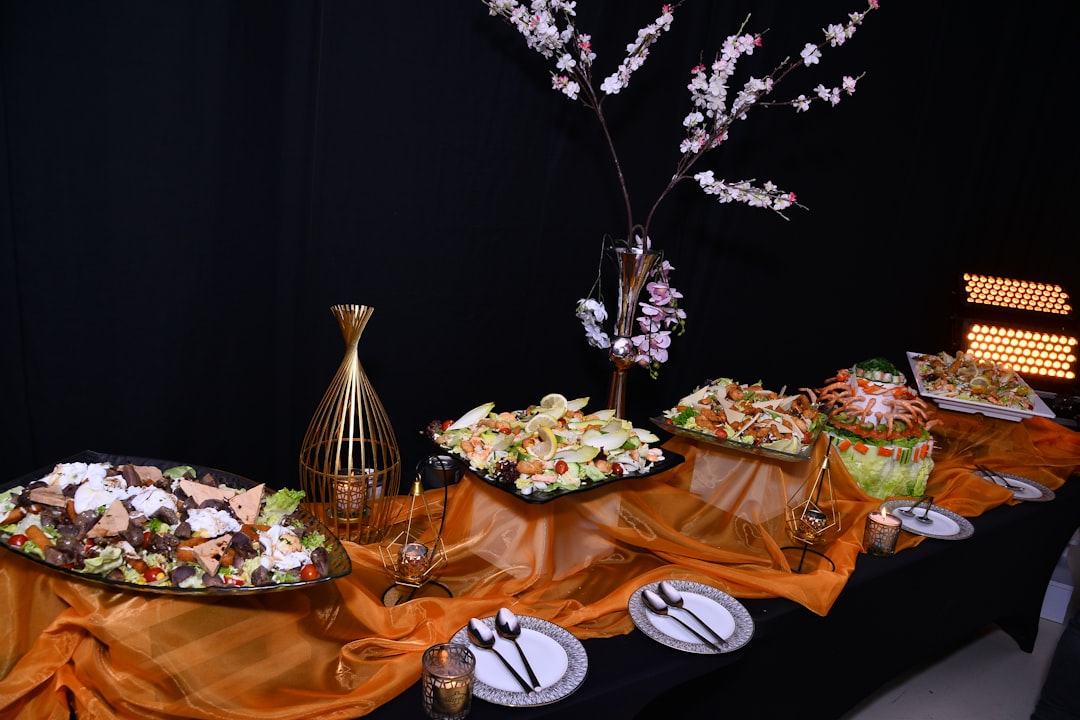
A well-crafted menu for catering does more than just feed your guests; it sets the tone for the entire event. Whether you're organising a crucial corporate lunch, a celebratory wedding reception, or a casual outdoor picnic, the food selection is a central element that communicates care, professionalism, and brand identity. A thoughtful menu can elevate a simple meeting into a memorable experience, accommodate diverse dietary needs to ensure inclusivity, and ultimately, reflect the high standards of your organisation. Poor planning, on the other hand, can lead to logistical nightmares, dissatisfied attendees, and a missed opportunity to make a positive impression.
This guide eliminates the guesswork. We will break down 10 distinct, ready-to-use sample menus designed for a variety of corporate and special events. Each example provides a strategic framework, complete with per-person pricing tiers, portioning advice, customization options, and crucial delivery notes. You'll gain practical insights into creating a successful menu for catering that aligns perfectly with your budget, headcount, and specific event goals. To further understand how diverse culinary offerings translate into successful events, exploring the broader food service landscape, including restaurant industry approaches to menu development, can be incredibly beneficial. Let's explore the menus that will help you plan with precision and confidence.
1. Corporate Business Lunch Menu
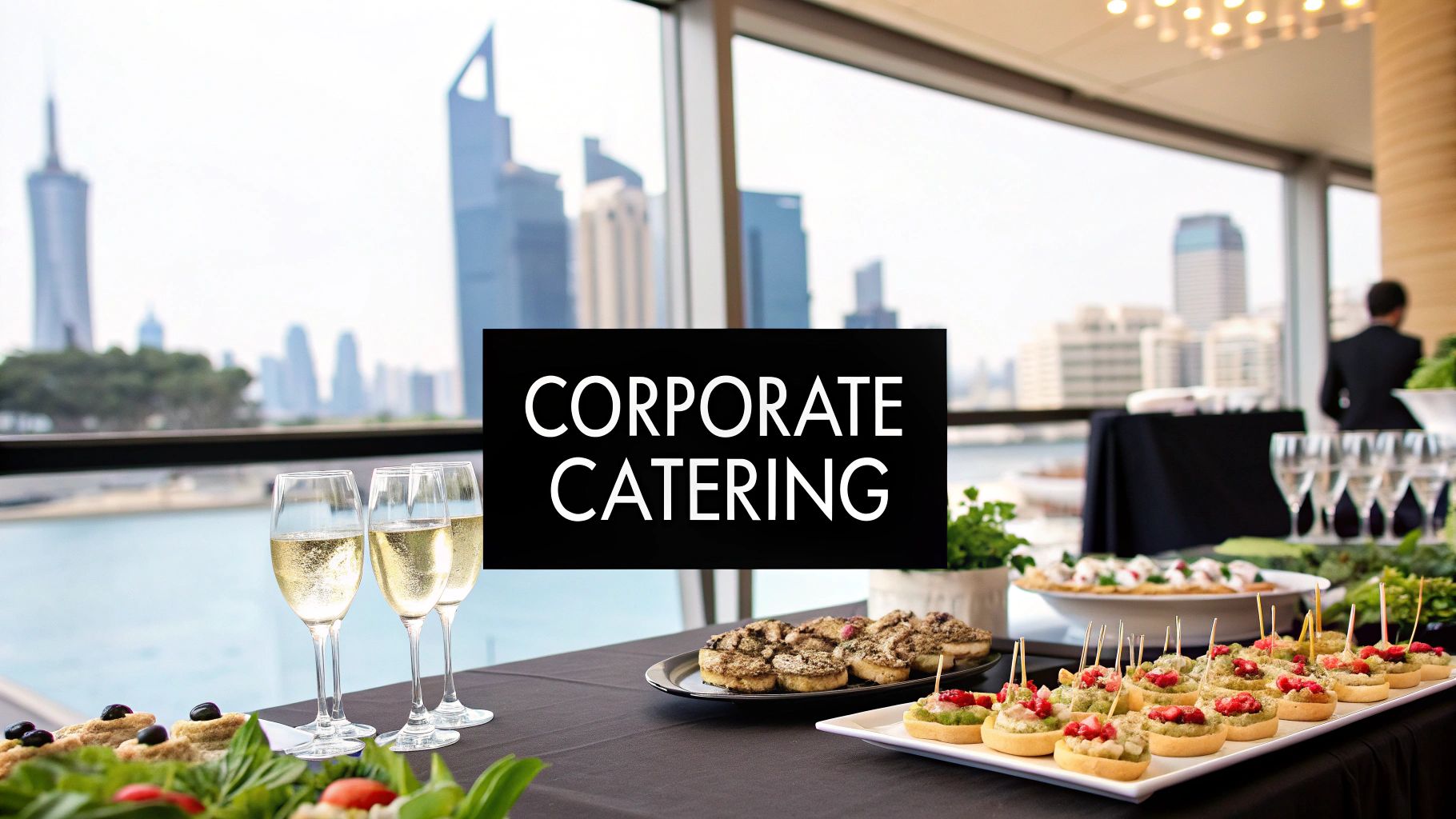
A Corporate Business Lunch Menu is meticulously designed for professional settings like board meetings, conferences, or client presentations. The primary goal is to provide a nourishing, sophisticated meal that complements the business agenda rather than disrupting it. This type of menu for catering focuses on balanced, lighter fare that sustains energy and focus without causing drowsiness or digestive discomfort.
Strategic Breakdown
The core strategy behind this menu is subtlety and efficiency. Selections are typically elegant but easy to eat while seated, even with minimal elbow room. Think grilled chicken breast with quinoa and roasted asparagus, or a poached salmon salad with a light vinaigrette. The presentation is clean and professional, often using high-quality serveware to reflect the company's standards. Major corporate event planners for Fortune 500 companies and tech conferences favour this approach to ensure a seamless, high-quality experience.
Actionable Insights
To successfully implement this menu, consider the following tactics:
- Offer Balanced Choices: Provide 2-3 protein options (e.g., one meat, one fish, one vegetarian) to accommodate diverse preferences.
- Mindful Portions: Aim for moderate portions, targeting around 300-400 calories per person to prevent a post-lunch slump.
- Professional Setup: Brief your caterer on the event's timing, flow, and professional decor. White tablecloths and organised beverage stations are standard.
- Beverage Focus: Prominently display water, coffee, and a small selection of soft drinks.
This menu is ideal for any business event where the focus must remain on the meeting's content. To see how these principles apply in a practical setting, consider exploring options for buffet-style office catering that can be adapted for a professional lunch.
2. Wedding Reception Menu
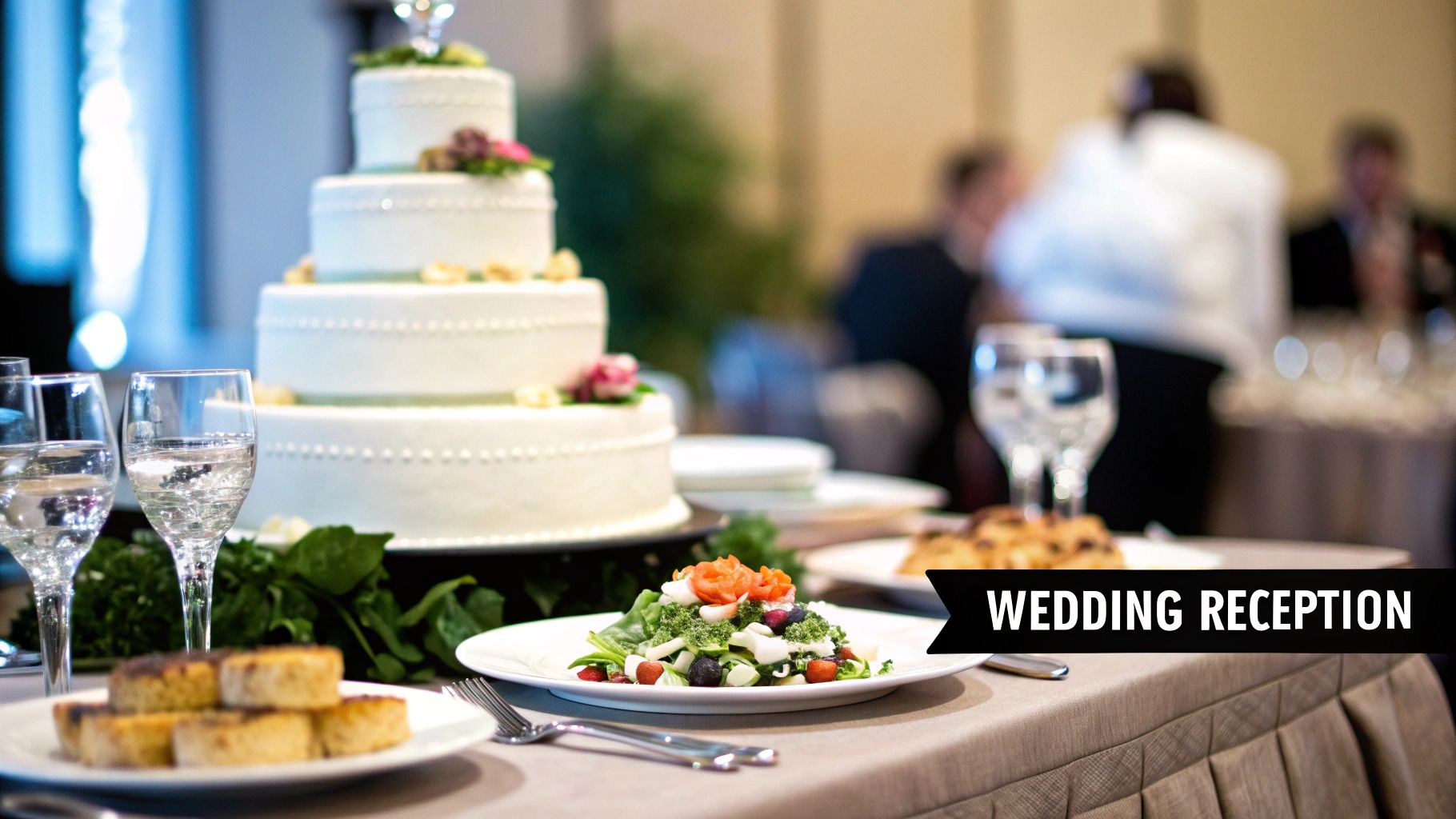
A Wedding Reception Menu is an upscale multi-course catering plan tailored for wedding celebrations. It emphasises elegance, personalisation and culinary excellence, guiding guests from cocktail hour to dessert stations with seamless service. This type of menu for catering is designed to create a narrative journey that reflects each couple’s unique style.
Strategic Breakdown
The core strategy centres on a cohesive narrative that unfolds from cocktail hour through to dessert. Begin with elegant passed canapés like mini lobster rolls or truffle arancini that set an upscale tone. Dinner alternates plated courses or family-style shared platters rich in seasonal produce. Collaborations with Thomas Keller or luxury venues like Four Seasons instil prestige. High-profile implementations – from British Royal Family ceremonies to Oprah’s destination events – demonstrate how personal touches, such as monogrammed menus or heirloom recipes, deepen guest connection.
Actionable Insights
- Tasting Sessions: Organise 2-3 menu tastings 6-12 months prior to lock in flavours.
- Entrée Options: Provide three choices per course – one meat, one fish, one vegetarian – to suit diverse tastes.
- Seasonal Coordination: Align each course with the event’s season and venue ambience.
- Personalised Touches: Weave in family recipes, bespoke monograms or signature cocktails.
- Late-night Stations: Plan for mini sliders, poutine bars or dessert buffets as post-dance treats.
- Lead Times: Confirm final guest count and menu selection at least 8 weeks before the date to secure premium ingredients.
- Staff Briefing: Distribute a timeline and seating plan to caterers and service staff to ensure smooth flow.
This format is perfect for couples seeking a polished, memorable menu that reflects their story. Explore Four Seasons Wedding Catering for bespoke menu inspiration.
3. Farm-to-Table Seasonal Menu
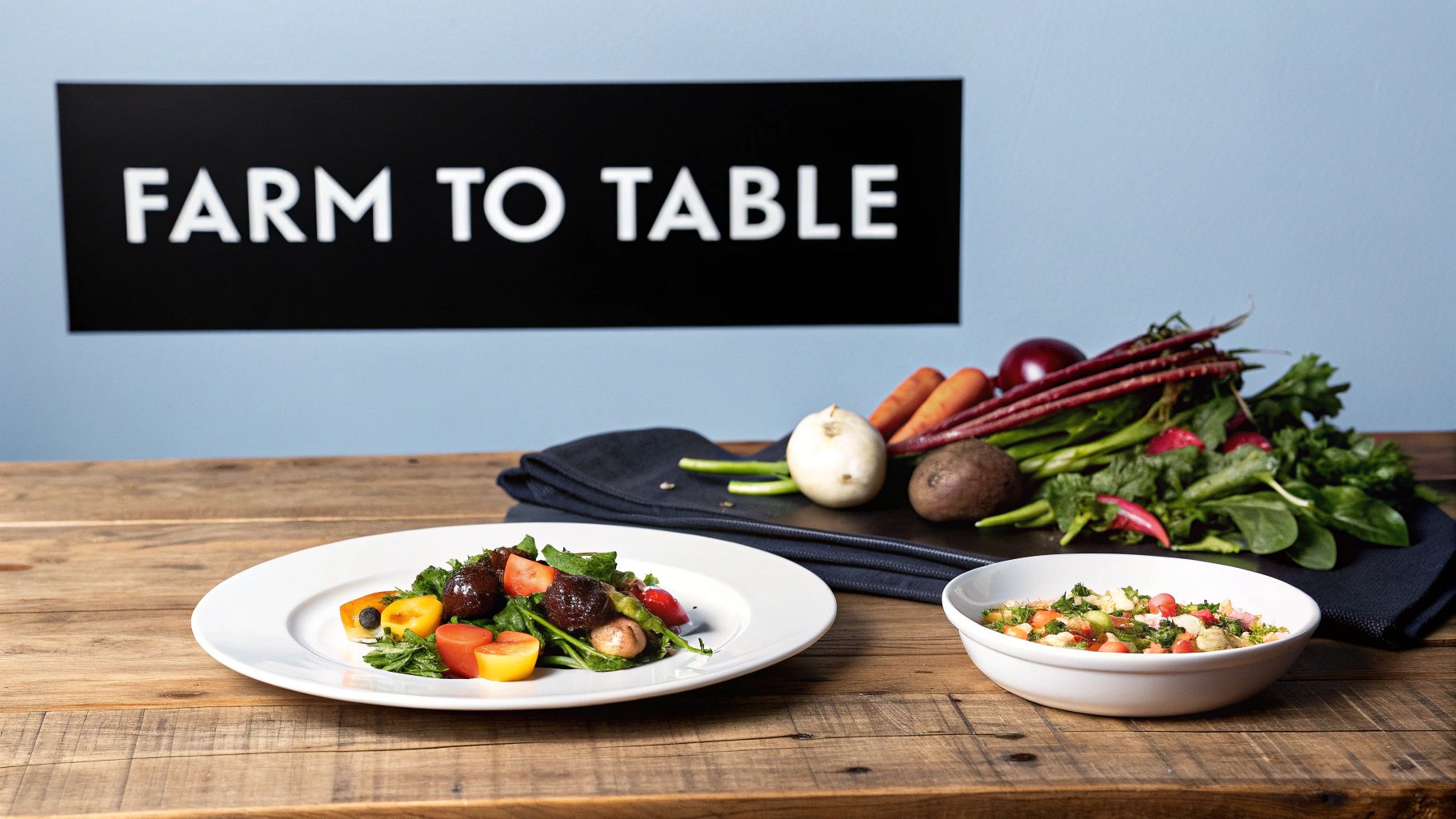
A Farm-to-Table Seasonal Menu is an environmentally conscious menu for catering that highlights locally sourced, organic produce and heritage varieties. Ideal for corporate events, weddings or conference luncheons, it celebrates regional farmers and sustainability practices. By rotating dishes each season, this approach keeps offerings fresh, vibrant and aligned with peak harvest periods.
Strategic Breakdown
The core strategy is to partner directly with growers and co-ops 2–3 months in advance, securing the best seasonal ingredients and heritage varieties. This menu underscores provenance by featuring farmer names and origin stories on menu cards. Presentation remains elegant but earthy, using minimal processing to let natural flavours shine. Sustainable corporate event planners and vineyard wedding coordinators in Napa or Sonoma often implement this model to reinforce brand values and guest engagement.
Actionable Insights
- Advance Planning: Confirm seasonal harvest schedules with farms 8–12 weeks before the event.
- Local Partnerships: Join agricultural co-ops or CSA programmes to streamline sourcing.
- Menu Storytelling: Include brief bios of growers on printed menus or place cards.
- Seasonal Rotation: Refresh entrée and side options quarterly to showcase peak produce.
- Visual Promotion: Photograph farms and ingredients for digital menus or event signage.
- Logistics Management: Coordinate chilled transport and on-site storage for delicate items.
For sample seasonal catering menus and pricing tiers, visit FarmCater.ca.
4. Ethnic and Cultural Cuisine Menu
An Ethnic and Cultural Cuisine Menu is curated to highlight authentic regional flavours through time-honoured recipes and traditional cooking methods. Ideal for heritage celebrations, destination weddings, or multicultural corporate gatherings, this menu for catering immerses guests in a genuine culinary journey.
Strategic Breakdown
This menu hinges on authenticity and storytelling. By engaging chefs native to the cuisine’s culture, you ensure genuine techniques and precise ingredient sourcing. Presentation often reflects traditional serving styles, from banana-leaf platters at a South Indian wedding to kaiseki-style plating for a Japanese reception. Event hosts leverage these menus to create immersive experiences that honour cultural rituals and foster cross-cultural appreciation. Communities and Michelin-starred ethnic cuisine chefs popularise this approach for its ability to connect guests with a sense of place and tradition.
Actionable Insights
- Hire chefs from the target culture to guarantee authenticity and respect for regional practices
- Provide ingredient glossaries and spice-level indicators so guests can navigate unfamiliar flavours with confidence
- Incorporate education cards or brief cultural notes at each station to share dish origins and traditions
- Offer clear dietary filtering for halal, kosher, vegan or gluten-free requirements based on cultural norms
- Use traditional serveware and décor elements to deepen the immersive experience
- Consult with cultural advisors to ensure every detail respects religious or social protocols
Learn more about Ethnic and Cultural Cuisine Menu on shawarmamoose.ca
5. Dietary Restriction Specialized Menu
The Dietary Restriction Specialized Menu is carefully planned to accommodate guests with vegetarian, vegan, gluten-free, keto, paleo and religious dietary laws. Every dish is prepared in dedicated zones to prevent cross-contamination while preserving high flavour quality. This menu for catering ensures that every attendee enjoys an elevated dining experience without compromise.
Strategic Breakdown
The core strategy behind this menu is comprehensive inclusivity and safety. By segmenting kitchen workflows, caterers maintain strict allergen controls and use colour-coded utensils, plates and prep stations. Suppliers are chosen for their expertise in plant-based proteins, gluten-free grains and certified Kosher or Halal ingredients. Presentation remains elegant, matching corporate branding or event themes.
Clear protocols and visible labelling build guest confidence and streamline service in high-pressure environments.
This approach has been popularized by Silicon Valley tech companies, wellness retreats and faith-based organisations seeking zero-risk catering solutions.
Actionable Insights
- RSVP with detailed dietary survey to capture all restrictions
- Implement a clear labelling system on buffet cards and packaging
- Use colour-coded plates/utensils by restriction type
- Prepare allergen-free dishes first to avoid cross-contact
- Brief kitchen and service staff on handling protocols
- Provide printed ingredient lists for restricted guests
- Always have backup dishes for every course
- Select ingredients with low allergen prevalence (e.g. rice flour instead of wheat)
Use this menu whenever you expect multiple dietary needs or high-risk allergies. It elevates guest satisfaction, reduces liability and demonstrates organisational care.
Learn more about Dietary Restriction Specialized Menu on shawarmamoose.ca
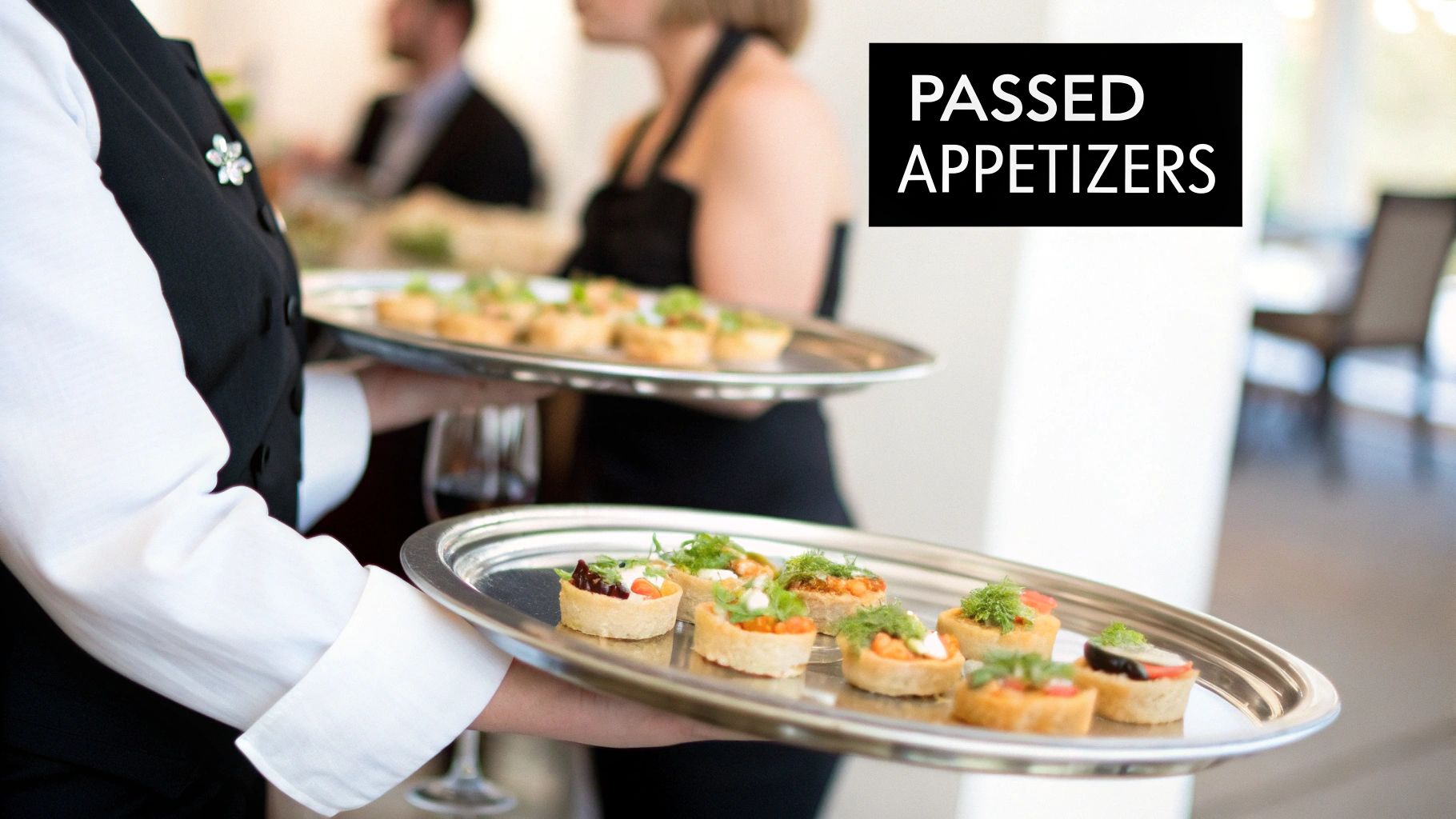
6. Cocktail Reception and Passed Appetizer Menu
A Cocktail Reception and Passed Appetizer Menu is a sophisticated standing reception format designed to keep guests moving and mingling. Servers circulate with trays of bite-sized, elegant appetizers while stationary food stations offer curated selections. This menu for catering shines at networking events, product launches or galas by creating an upscale yet relaxed atmosphere.
Strategic Breakdown
The core strategy behind this menu is to balance flavour variety with seamless service. Bite-sized portions let guests sample multiple offerings without pausing networking. Rotating passed items every 20–30 minutes maintains excitement and ensures freshness throughout a two-hour reception. Precise hot and cold holding preserves optimal taste and texture. High-end planners like Colin Cowie and Preston Bailey, plus tech giants (Apple, Google) and five-star hotels, have popularised this style to emphasise brand prestige and foster organic connections.
Actionable Insights
- Offer 8–12 pieces per person for a two-hour event
- Hire experienced passed-appetizer staff to maintain consistent service
- Schedule tray rotations every 20–30 minutes for menu variety
- Use insulated carriers to keep hot items warm and chilled platters cold
- Create stations with contrasting colours and varied heights for visual impact
- Place cocktail napkins and small plates at each station for guest convenience
- Brief all servers on dish names, ingredients and dietary notes
- Align food delivery timing with guest arrivals to avoid backlog
7. BBQ and Outdoor Picnic Menu
A BBQ and Outdoor Picnic Menu is a casual, hearty menu for catering designed for outdoor venues like company picnics, community fundraisers, or summer weddings. It features grilled proteins, traditional BBQ sides, and comfort foods presented with a rustic touch and generous portions. This menu style emphasises laid-back service ideal for relaxed gatherings.
Strategic Breakdown
The core strategy is to deliver robust flavours and filling dishes in a flexible outdoor setting. Offer a variety of proteins—beef brisket, pulled pork, chicken—and complement them with classic sides such as coleslaw, cornbread, and mac and cheese. High-volume catering relies on advance prep and staging: source meats from local BBQ masters, smoke or slow-cook meats the day before, and use warming boxes on site. For large outdoor events, planning a BBQ and outdoor picnic menu requires careful consideration, and these tips on how to BBQ for a crowd can help ensure everyone is served efficiently and deliciously.
Actionable Insights
- Protein Variety: Include two to three choices—beef, pork, chicken—and a grilled-vegetable option for vegetarians.
- Portion Control: Plan 8–10 ounces of meat per person plus 3–4 ounces of each side.
- Service Logistics: Keep foods hot in insulated boxes and set up stations under sunshades with fans.
- Eco-Friendly Supplies: Offer compostable plates, cutlery, and napkins to simplify clean-up.
- Hygiene Stations: Provide wet wipes and hand-washing stations near serving areas.
- Lead Time: Confirm orders at least 72 hours in advance and schedule delivery 1–2 hours before service.
8. Plated Fine Dining Menu
A Plated Fine Dining Menu delivers an elegant multi-course seated dinner with individually plated courses. Featuring premium ingredients, artistic presentations and precise culinary techniques, this menu for catering transforms galas, formal dinners and upscale celebrations into unforgettable experiences. White-glove service, coordinated timing and refined décor ensure every detail aligns with the event’s tone and objectives.
Strategic Breakdown
The core strategy behind a plated fine dining service is to impress through quality and precision. Menus are curated by Michelin-starred chefs like Thomas Keller or Wolfgang Puck and executed in collaboration with luxury hotel event departments. From art museum fundraising dinners to corporate board dinners and celebrity award show after-parties, this approach centres on delivering impeccable taste, flawless timing and elevated guest interactions.
Actionable Insights
- Chef Collaboration: Hold a planning meeting with your executive chef to align seasonal ingredients and dietary considerations.
- Tasting Sessions: Schedule 3–4 months ahead to finalise dish compositions and flavour balance.
- Ambiance Coordination: Synchronise table settings, lighting and music with the event planner.
- Staff Briefing: Train servers on course timing, dish descriptions and guest preferences.
- Mock Service: Run a full rehearsal to test kitchen timelines and plating stations.
- Dietary Prep: Confirm special requests early and integrate alternative plates into the service flow.
This plated model is ideal when you need to showcase sophistication and reinforce brand prestige. For more details on our plated fine dining menu, visit our catering page.
9. Interactive and Live Action Catering Menu
An Interactive and Live Action Catering Menu is an experiential format that brings culinary theatre to events. Guests customise dishes at carving stations, sushi bars, live pasta makers or dessert decorating stations, transforming a menu for catering into an engaging, participatory experience.
This format works exceptionally well for high-end corporate gala events, luxury wedding receptions or resort destination gatherings where atmosphere and guest interaction are essential. It not only feeds attendees but also creates a focal point for networking and celebration with a lasting impression.
Strategic Breakdown
The core strategy behind this menu is to merge quality catering with live performance. By showcasing chefs as interactive hosts, the event feels dynamic and personalised. This approach demands meticulous timing, precise equipment placement and a strong floor plan. Celebrity chef catering by figures like Guy Fieri or Bobby Flay demonstrates how performance elevates food into a memorable event centrepiece.
Actionable Insights
- Select personable chefs with strong station management skills
- Rehearse timing and guest flow during a full-dress run
- Allocate ample space and use clear, branded signage
- Train staff on upselling, engagement and strict sanitation
- Prepare backup equipment and contingency plans
- Coordinate lighting, sound and photo opportunities
When planning an interactive menu for catering, ensure clear station information and coordinate audiovisual support to maximise guest engagement. Explore live action catering packages and per-person pricing at https://www.shawarmamoose.ca/live-action-catering.
10. Health-Conscious and Wellness Menu
A Health-Conscious and Wellness Menu prioritises nutrient density, organic ingredients and superfoods to support active lifestyles and corporate wellness programmes. Designed for fitness events, wellness conferences, medical facilities and yoga retreats, this menu for catering balances vibrant flavours with low sodium and sustainable energy. Companies like Peloton, Goop wellness retreats and major tech firms have adopted this approach to boost engagement and highlight health credentials.
Strategic Breakdown
The core strategy focuses on transparent sourcing and nutritional clarity. Dishes are prepared with minimal processing to preserve vitamins, antioxidants and dietary fibre. Seasonal, local produce pairs with lean proteins and plant-based options to create visually striking, informative plates that reinforce corporate wellness goals.
Actionable Insights
- Partner with a registered dietitian to validate macros and nutrient claims
- Source organic superfoods from local farms to reduce carbon footprint
- Highlight calorie counts and macro breakdowns on menu cards for guest education
- Feature multiple vegetable-forward options such as rainbow salads and buddha bowls
- Offer herbal teas and cold-pressed juices as hydrating, low-sugar beverage choices
This menu excels for corporate wellness initiatives where health and productivity are central priorities.
10 Catering Menu Types Compared
| Menu Type | Implementation Complexity | Resource Requirements | Expected Outcomes | Ideal Use Cases | Key Advantages |
|---|---|---|---|---|---|
| Corporate Business Lunch Menu | Low–Medium — streamlined, time-sensitive service | Moderate staffing, standard catering equipment, professional serveware | Efficient, low-disruption meals that sustain energy | Business meetings, conferences, networking lunches | Professional atmosphere; dietary accommodation; cost-effective at scale |
| Wedding Reception Menu | High — multi-course, highly customized service | High: premium ingredients, tasting sessions, sommelier, extensive staff | Memorable, upscale dining and visual impact | Weddings, formal celebrations, upscale receptions | Highly customizable; photogenic; elevates event prestige |
| Farm-to-Table Seasonal Menu | Medium–High — seasonal planning and coordination | Specialized sourcing, farmer relationships, seasonal inventory control | Fresh, distinctive flavors with sustainable branding | Eco-conscious events, vineyard or outdoor celebrations, seasonal menus | Superior freshness; sustainability story; local differentiation |
| Ethnic and Cultural Cuisine Menu | High — authentic techniques and cultural accuracy required | Specialized chefs, traditional ingredients, cultural consultation | Authentic, memorable cultural dining experiences | Cultural celebrations, themed events, diaspora audiences | Deep authenticity; strong flavor profiles; cultural resonance |
| Dietary Restriction Specialized Menu | Very High — strict protocols and segregation of prep | High: separate prep areas, certified ingredients, detailed labeling | Inclusive, safe dining that minimizes health risk and liability | Medical conferences, faith-based events, wellness retreats | Maximizes inclusivity and safety; improves guest satisfaction |
| Cocktail Reception & Passed Appetizer Menu | Medium–High — timed service with mobile delivery | Many skilled servers, stations, premium bar service, small-plate logistics | Social, mobile dining that encourages mingling and networking | Galas, product launches, receptions, art openings | Promotes networking; upscale and photo-friendly presentation |
| BBQ and Outdoor Picnic Menu | Low–Medium — casual service with outdoor logistics | Outdoor grills, warming equipment, bulk ingredients, disposable serviceware | Hearty, generous portions with relaxed atmosphere | Company picnics, community events, casual weddings | Cost-effective; scalable; broad crowd appeal |
| Plated Fine Dining Menu | Very High — precise pacing and white‑glove service | Elite chefs, trained service staff, premium tableware and extensive prep | Highly polished, memorable formal dining experience | State dinners, gala fundraisers, luxury private events | Culinary artistry; controlled presentation; premium prestige |
| Interactive & Live Action Catering Menu | Very High — coordination of live stations and flow | Highly skilled chefs, extra equipment, ample station space, rehearsals | Engaging, entertaining experience that creates social buzz | Luxury weddings, food festivals, high‑end corporate galas | High guest engagement; entertainment value; perceived added value |
| Health-Conscious & Wellness Menu | Medium — nutrition-focused planning and labeling | Nutritionist input, organic/specialty ingredients, clear macros/calories | Energized, health-aligned dining that supports wellness goals | Wellness retreats, corporate wellness programs, medical events | Appeals to health-conscious guests; supports performance and brand positioning |
Key Takeaways and Next Steps
Crafting the perfect menu for catering is more than just selecting dishes; it's a strategic process that balances budget, event type, guest preferences, and logistical considerations. Throughout this guide, we've explored ten distinct sample menus, from formal plated dinners to interactive food stations, each designed to meet a specific corporate need. The core lesson is that a successful catering experience hinges on thoughtful planning and clear communication with your catering partner.
By analysing these examples, you've gained insight into crucial elements like per-person pricing, accurate portioning, and the importance of lead times. Remember, the most memorable events are those where the food feels like an integral part of the experience, not an afterthought. A well-executed menu for catering can boost morale, facilitate networking, and leave a lasting positive impression on your team and clients.
Summarizing Your Strategic Toolkit
As you move forward, keep these foundational principles at the forefront of your planning. They are the keys to transforming a standard corporate meal into an exceptional culinary event.
- Strategy First, Food Second: Always start with your event's objectives. Are you celebrating a milestone, fostering collaboration, or impressing a client? Your goal will directly inform the style of service and menu choices, whether it's a quick and efficient business lunch or an elegant cocktail reception.
- Budget as a Creative Guide: View your budget not as a limitation, but as a framework for creativity. As demonstrated, even a modest budget can deliver a high-quality experience with smart choices like buffet-style service or focusing on seasonal, local ingredients.
- Dietary Needs are Non-Negotiable: In today's diverse workplace, accommodating dietary restrictions is a fundamental aspect of inclusive event planning. Proactively gathering information and working with a caterer who specializes in options for vegan, gluten-free, and other needs is essential.
- Logistics Dictate Success: Never underestimate the importance of logistics. Consider your venue's capabilities, setup time, and delivery access. A simple drop-off buffet is ideal for a fast-paced office setting, while a plated dinner requires a full kitchen and service staff.
Your Actionable Next Steps
With these insights, you are now equipped to confidently plan your next corporate event. The next phase is about putting this knowledge into action.
- Define Your Event Parameters: Before contacting any caterers, clearly outline your event type, headcount, budget per person, date, and any known dietary restrictions.
- Use Our Menus as a Template: Refer back to the ten sample menus in this article as a starting point for your discussions with potential caterers. Use them to articulate your vision and ask informed questions.
- Initiate a Collaborative Dialogue: Reach out to your preferred caterer with your detailed plan. A great caterer will act as a consultant, helping you refine your ideas and customize a menu that perfectly aligns with your goals and budget.
Ultimately, mastering the art of selecting a menu for catering is a powerful professional skill. It demonstrates attention to detail, a commitment to employee and guest satisfaction, and strategic thinking. By applying the tactical advice and replicable strategies from this guide, you can ensure every catered event is a seamless, delicious, and resounding success.
Ready to bring a vibrant and delicious Mediterranean flavour to your next corporate event? Shawarma Moose specializes in creating customizable catering menus that are perfect for any office lunch or team gathering. Explore our fresh, flavourful, and convenient options today at Shawarma Moose.